Spark plug replacement frequency varies significantly by vehicle; always consult your car’s owner’s manual for the precise recommended interval. While many modern cars feature long-life plugs lasting 60,000 to 100,000 miles, older models or different plug types may require replacement every 30,000 to 50,000 miles. Timely replacement is crucial for maintaining optimal engine performance, fuel efficiency, and preventing costly damage.
How Often Spark Plugs Should Be Replaced Your Car Needs This
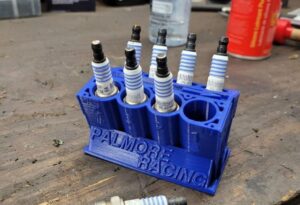
Hey there, fellow car owner! Ever wonder about those little parts tucked away under your hood that keep your engine purring? We’re talking about spark plugs! It’s a common question, and one I get a lot: “How often spark plugs should be replaced?” Well, let me tell you, it’s not a one-size-fits-all answer, but understanding it can save you headaches and money down the road. In short? It really depends on your car, but modern vehicles often go much longer than older ones.
Think of spark plugs as tiny lightning bolts that ignite the fuel in your engine. When they’re working great, your car runs smoothly, gets good gas mileage, and starts right up. But when they start to wear out… that’s another story. Let’s dive into the nitty-gritty so you know what to look for and when to consider how often spark plugs should be replaced.
So, how often should spark plugs be replaced, really?
This is where your car’s owner’s manual becomes your best friend. Seriously, pull it out! That little book has the exact recommendations for how often spark plugs should be replaced for your specific vehicle. But generally, here’s a breakdown of what you can expect:
- Older Cars (Pre-1990s): Many older models with copper or nickel spark plugs might need replacing every 30,000 miles or so. These were the workhorses of their time, but they wore out faster.
- Modern Cars (Platinum & Iridium Plugs): This is where things get interesting. Most cars built in the last 20-30 years use platinum or iridium-tipped spark plugs. These are designed for much longer life spans:
- Platinum plugs: Often recommended for replacement between 60,000 to 80,000 miles.
- Iridium plugs: These are the champions! Many manufacturers suggest replacing them at 100,000 miles or even up to 120,000 miles. My own sedan, for example, uses iridium plugs, and the manual suggests a check at 100k. I actually just had mine checked, and they looked great!
But why the big difference? It’s all about the materials. Copper is a great conductor but wears down quicker. Platinum and iridium are super tough and resistant to wear and tear from the constant sparking and heat inside your engine. Knowing how often spark plugs should be replaced based on their material type helps you anticipate maintenance.
What happens if you don’t replace them often enough?
Ignoring your spark plugs can lead to a few frustrating issues. I learned this the hard way with an old truck years ago. I kept putting off replacing them, and soon, understanding how often spark plugs should be replaced could have saved me from these headaches:
- Rough Idling: Your car might shake or vibrate more than usual when stopped.
- Engine Misfires: That feeling like your engine is stumbling or hesitating, especially when accelerating.
- Poor Fuel Economy: My gas mileage dropped noticeably! Worn plugs don’t burn fuel as efficiently, so you use more gas to go the same distance. It’s a silent money drain.
- Lack of Power: Your car might feel sluggish and struggle to accelerate.
- Check Engine Light: Often, worn spark plugs will trigger this warning light. Don’t ignore it!
My Personal Experience & Tips:
I always recommend paying attention to these signs. If you start noticing any of them, it’s a good idea to have your spark plugs checked, even if you’re not at the recommended mileage yet. My take on how often spark plugs should be replaced is always to pay attention to your car’s feel, not just the mileage. Sometimes, things just wear out faster. When I finally replaced the plugs in that old truck, it was like driving a new vehicle! The smoothness, the power, the better gas mileage – it was all worth it.
Here’s a quick tip: When you do replace them, replace the whole set. Don’t just do one or two. They all work together, and if one is worn, the others likely aren’t far behind. And sometimes, depending on your car’s age, your mechanic might suggest looking at the ignition coils at the same time, as they work hand-in-hand with the plugs. Ultimately, understanding how often spark plugs should be replaced is about preventive care for your car.
So, the next time you ask yourself how often spark plugs should be replaced, remember to consult your owner’s manual first. Listen to your car, and don’t delay maintenance. Keeping up with these small but mighty components ensures your car stays reliable, efficient, and a joy to drive. Happy motoring!