Discover a genius diagnostic method that allows you to accurately check your spark plugs without the tedious process of removing them from the engine. This innovative approach typically involves leveraging electrical testing and observing engine performance indicators, enabling you to swiftly pinpoint failing plugs. Save significant time and effort while efficiently troubleshooting misfires and maintaining optimal engine health.
Genius Way How to Check Spark Plugs Without Removing Them
Have you ever found yourself wondering if your spark plugs are acting up, but the thought of digging into your engine to pull them out feels like a massive chore? Trust me, I’ve been there! It’s totally natural to want to troubleshoot engine issues without diving straight into a full disassembly. The good news is, while you can’t give them a full visual inspection without removing them, there are some pretty clever ways to diagnose potential spark plug problems without ever touching a wrench to them. It’s all about being a bit of a detective and listening to what your car is trying to tell you.
It’s true, you can definitely get a strong indication of your spark plug’s health, or at least point to them as the culprit, through a series of observations and simple tests. This approach can save you a ton of time and effort, helping you narrow down the issue before committing to more intensive work.
So, how exactly can you check spark plugs without removing them to figure out what’s going on with your car?
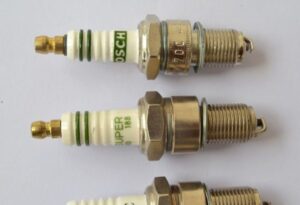
Alright, let’s get into the nitty-gritty of how you can be a spark plug detective and check spark plugs without removing them. Think of it like this: your car gives off clues, and we just need to know how to interpret them.
First off, listen to your engine and feel its performance. This is often the first big clue. If your car is idling rough, sputtering, or struggling to accelerate, that’s a classic sign of misfires. I once had a car that felt like it was doing a little jig at red lights, vibrating more than usual. Turns out, it was a failing spark plug causing a misfire in one cylinder. When you accelerate, if you feel a hesitation or a lack of power, especially under load, faulty spark plugs could very well be the reason. It’s like trying to run with one shoe untied – you just can’t get full power.
Next up, and perhaps the most powerful tool for how to check spark plugs without removing them, is your car’s Check Engine Light (CEL) and an OBD-II scanner. If your CEL comes on and flashes, it almost always indicates a serious misfire. This is where my trusty OBD-II scanner became my best friend. Plugging it in and reading the codes can instantly tell you if there’s a P030X code, where ‘X’ is the cylinder number. For example, P0301 means a misfire in cylinder 1. This directly points you to which spark plug (or coil pack/injector) is likely causing trouble, all without opening the hood.
Another subtle hint can come from your fuel economy. If you notice your visits to the gas station becoming a bit too frequent, and your MPG has taken a dive, it could be that inefficient combustion from worn-out spark plugs is wasting fuel. Your engine isn’t burning the air-fuel mixture properly, so it’s guzzling more to get the same power.
Now, for a slightly more involved but still non-invasive step: testing the ignition system components upstream of the spark plugs. This is particularly useful if your car has individual coil packs or spark plug wires. With the engine running (or just key-on, engine-off for some tests), you can carefully disconnect one coil pack connector at a time (if your engine is designed for it) and listen for a change in engine idle. If disconnecting a coil pack makes no difference to an already rough-running engine, that specific cylinder or its spark plug/coil is likely the problem. A spark tester, which connects in-line with the coil or wire, can show you if there’s a strong, blue spark reaching the plug – again, without needing to remove the plug itself. Remember to always exercise extreme caution and use insulated tools when working around a live ignition system!
While these methods won’t let you see the carbon buildup or electrode wear, they are incredibly effective for pinpointing a problematic cylinder. Think of it as a preliminary investigation. You gather enough evidence to know which area to focus on, and then, if necessary, you remove *just* the suspected spark plug for a closer look.
So, yes, you absolutely can get a very good idea of your spark plug’s health and identify issues by observing your car’s behavior, using diagnostic tools, and even doing some careful checks on the ignition system. These steps help you gather compelling evidence without ever needing to pull a single spark plug, saving you time and effort for more targeted repairs.