While ideally performed with a specialized tool, you can accurately gap a spark plug without one like a pro, especially in a pinch. This involves carefully assessing the existing gap with common, thin items as a guide and making precise, gentle adjustments to the outer electrode. Mastering this skill ensures optimal engine performance even when a dedicated gapping tool isn’t at hand.
Learn How to Gap a Spark Plug Without a Tool Like a Pro
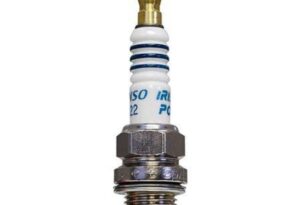
Hey there, fellow car enthusiasts and DIY adventurers! We’ve all been there, haven’t we? You’re elbow-deep in an engine project, perhaps replacing some spark plugs, and then it hits you: you need to gap a spark plug without a tool. Maybe your gapping tool decided to play hide-and-seek, or you’re far from your toolbox. It’s a frustrating moment, but don’t worry – I’m here to tell you that in a pinch, it is possible to get that spark plug gapped, even without the fancy gadgets. Think of it as a roadside emergency trick rather than your go-to method.
The goal is always to get the precise spacing between the center and ground electrodes. This tiny gap is super important for a strong, consistent spark, which translates to your engine running smoothly. While a dedicated gapping tool is always the best way to go, let’s dive into how you can tackle this task when you’re truly stuck and need to gap a spark plug without a tool.
How do I gap a spark plug without a tool if I’m in a pinch?
Alright, so you need to gap a spark plug without a tool. Let me be clear upfront: this method is for emergencies. Always, always invest in a proper gapping tool when you can – they’re super cheap and accurate. But for those moments when you’re absolutely desperate, here’s what I’ve learned from my own experiences and a few old-school mechanics.
First, and this is non-negotiable, you absolutely MUST know your vehicle’s specific spark plug gap specification. You can usually find this in your car’s owner’s manual, on a sticker under the hood, or with a quick online search. Don’t guess! An incorrect gap can lead to misfires, reduced fuel economy, and even engine damage. For example, my old pickup truck needed a 0.040-inch gap, while my compact car required 0.032 inches.
Now, for the “without a tool” part. When you need to gap a spark plug without a tool, you’ll need a makeshift “feeler gauge” and a way to gently adjust the electrode. Here’s how I’ve tackled it:
- Finding Your Makeshift Feeler:
- Credit Cards: This is my go-to for emergencies. A typical credit card is around 0.030 inches thick. Now, this isn’t precise for all cars, but it’s often in the ballpark for many modern vehicles. The trick is to actually measure your card with a ruler if you can (or compare it to a known thickness if you have one). I once used the corner of a hotel key card that felt just right after checking my car’s spec online.
- Matchbook Covers: An old-timer’s trick! If you happen to have an old-school matchbook, the cover stock can be surprisingly consistent in thickness (often around 0.020-0.025 inches, though it varies wildly). Again, measure if possible.
- Razor Blades: Very thin, useful if you need to close a gap or just feel if it’s completely wrong, but not for precise gapping. Be super careful!
- Coins: While some people suggest coins, I highly discourage them for gapping. Their thickness varies a lot, and they’re often too thick. I’ve seen more damage done than good with coins.
- Adjusting the Gap (the tricky part):
- To Widen the Gap: If the gap is too narrow, you need to gently pry the ground electrode (that’s the hook-shaped metal piece) away from the center electrode. I use something small and firm, like a very thin flat-head screwdriver (the kind for eyeglasses works well), a butter knife, or even the corner of another spark plug’s ground electrode. Be extremely gentle! You only want to move the ground electrode. Bending the delicate center electrode or damaging the insulator will ruin the plug. I made that mistake once – snapped an electrode right off!
- To Narrow the Gap: If the gap is too wide, you need to carefully tap the ground electrode closer to the center. I usually place the plug’s threaded end on a clean, soft-ish surface (like a piece of wood or a thick cloth) and gently tap the side of the ground electrode with something light, like the handle of a screwdriver or even another plug. Never tap the tip of the ground electrode directly on a hard surface – you could damage it or the sensitive center electrode.
- Verifying the Gap (without a tool, this is tough):
- Once you’ve made an adjustment, try to slide your makeshift feeler gauge into the gap. It should go in with a slight, consistent drag – not too loose, not too tight. It’s about developing a “feel” for it. When I’m truly without a tool, I’ll often compare it visually to a brand new, correctly gapped plug if I have one for another cylinder.
- The real test, unfortunately, is often installing it and seeing how the engine runs. Listen for misfires or rough idling. If it sounds off, you might have to pull it out and try again.
I remember being on a long road trip when a misfire started. Turns out, one of my spark plugs had a gap that was way off. I had to use a credit card and a small twig I found to carefully adjust it by the side of the road. It wasn’t perfect, but it got me home without further issue. That experience taught me the value of knowing how to gap a spark plug without a tool for those unexpected moments!
Conclusion
So, while it’s absolutely possible to gap a spark plug without a tool in a bind, remember it’s a workaround, not the ideal solution. Precision is key for optimal engine performance, and a dedicated gapping tool (often just a few dollars) offers that precision. But knowing these tricks means you won’t be stranded when your tools go missing or you’re caught off guard. Keep this knowledge in your back pocket, and you’ll be able to handle those unexpected roadside challenges like a true pro!