Mastering how to read spark plugs is a powerful skill for accurately diagnosing your engine’s health and performance. By carefully examining the color, deposits, and wear patterns on your plugs, you can identify critical issues such as rich or lean fuel mixtures, oil burning, and improper heat ranges, saving time and money on costly repairs. This essential guide empowers you to become your own engine troubleshooter.
Master How To Read Spark Plugs Diagnose Engine Health
Hey there, fellow car enthusiast! Ever wondered what secrets your engine might be whispering? Well, guess what? Your spark plugs are little messengers, and learning how to read spark plugs is like having a direct line to your engine’s health report. It’s not as intimidating as it sounds, I promise. Think of it as a quick check-up that can save you a lot of headache and money down the road.
I’ve been there – scratching my head over an engine hiccup, only to discover the answer was staring me in the face, right on the tip of a spark plug. Understanding how to read spark plugs effectively can give you incredible insights into everything from fuel mixture to ignition timing and even internal engine wear. Ready to become an engine detective? Let’s dive in!
Q: How can I effectively read my spark plugs to diagnose my engine’s health and what should I look for?
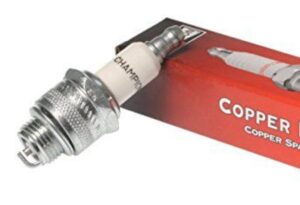
A: Learning how to read spark plugs is a fantastic skill for any car owner, and honestly, it’s one of the most straightforward ways to peek inside your engine’s combustion chambers without taking it apart. When I first started turning wrenches, I was amazed at how much information these small parts held. Here’s what I’ve learned to look for:
Before you even begin, make sure your engine is cool. Safety first, always! Then, carefully remove one spark plug at a time. This helps avoid mixing them up, which is important because each plug tells a story specific to its cylinder. Now, let’s “read” them:
- The “Just Right” Plug (Normal Condition): This is what you want to see. The insulator tip will be a light tan, grayish, or brownish color. The electrodes will look relatively crisp, and the gap will be within specifications. This tells you your engine is running efficiently, with a good air/fuel mixture and proper ignition timing. It’s like getting an A+ on a report card!
- The “Tired” Plug (Worn Out): If the electrodes are rounded off and the gap looks noticeably wider than the new plug specification, your plug is simply worn out. It’s struggling to create a strong spark. This is normal wear and tear over time, and it means it’s time for a replacement to maintain optimal performance and fuel economy. I remember replacing a set like this and feeling the immediate improvement in acceleration.
- The “Too Rich” Plug (Carbon Fouling): If your plug has a dry, black, sooty appearance, it’s likely carbon fouled. This usually means your engine is running too rich – getting too much fuel or not enough air. Common culprits include a dirty air filter, a faulty oxygen sensor, or even too many short trips where the engine doesn’t get hot enough to burn off deposits.
- The “Leaky” Plug (Oil Fouling): An oily, wet, black coating on the plug often points to oil getting into the combustion chamber. This can be more serious, potentially indicating worn valve guides or piston rings. If you see this, especially on one or two specific plugs, it’s a good idea to get it checked out by a mechanic. I once found one like this and it led to diagnosing a worn valve seal before it became a bigger problem.
- The “Overcooked” Plug (Overheating): A plug that looks blistered, has a white or glazed insulator, or even melted electrodes is a sign of overheating. This is serious! It can be caused by a spark plug with too hot a heat range for your engine, an excessively lean air/fuel mixture, advanced ignition timing, or even pre-ignition. This needs immediate attention to prevent engine damage.
- The “Flooded” Plug (Fuel Fouling): If your plug is wet with gasoline and smells distinctly of fuel, it might be fuel fouled. This happens when a cylinder isn’t firing, or the engine has been repeatedly cranked without starting, leading to unburnt fuel coating the plug. Check for a weak spark or ignition issues.
- The “Dirty Additive” Plug (Ash Fouling): These plugs will have white, crusty deposits. This is usually from oil or fuel additives burning in the combustion chamber. While sometimes harmless, excessive ash fouling can cause misfires and indicate the need to reconsider your oil or fuel choices.
After examining each one, compare them. Do they all look similar, or is one cylinder telling a different story? This comparison is key to pinpointing specific issues. Always remember to re-gap new spark plugs to your vehicle’s specifications before installing them. You can use a gapping tool; it’s super easy!
In conclusion, learning how to read spark plugs is a powerful diagnostic tool that puts you in tune with your car’s heart. It’s a simple, hands-on task that provides incredible value, helping you catch potential problems early and keep your ride running smoothly. So, next time you’re under the hood, don’t just change those plugs – read them!