Experts largely advise against using anti-seize on modern spark plugs. Contemporary plugs often feature proprietary coatings that make anti-seize unnecessary and potentially harmful, as it skews torque specifications and interferes with optimal heat transfer. Applying it can lead to over-torquing, stripping threads in aluminum heads, and even affecting engine performance.
Should You Put Anti Seize On Spark Plugs The Experts Answer
Hey friends! Ever found yourself staring at a new spark plug, anti-seize in hand, wondering if they’re meant to be together? It’s a common question. Honestly, the answer used to be a simple “yes!” But things have changed. For most modern spark plugs and engines, the general consensus now is: you probably shouldn’t put anti seize on spark plugs. Let’s dive into why this old-school wisdom has evolved. We’ll see what the experts truly recommend today.
For years, putting anti-seize on spark plugs was almost a ritual. It felt right, like an extra step to protect your engine. But with advancements in spark plug technology and engine design, that “extra step” can sometimes do more harm than good. Getting the installation right helps your engine run smoothly and prevents headaches down the road. Let’s explore the modern approach to installing spark plugs.
So, What’s the Real Deal with Anti Seize On Spark Plugs Today?
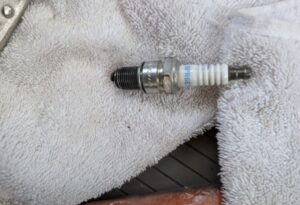
This is where the spark plug meets the cylinder head! Back in the day, spark plugs often had bare metal shells. Engine heads were commonly cast iron. Applying a dab of anti-seize was standard practice then. It helped stop plugs from seizing in the threads. This was especially true in aluminum heads. It made future removal much easier. I remember my dad always doing it. I followed suit for years myself!
Modern spark plugs are different, though. Most have a special plating. It’s often nickel or zinc. This plating is on their metal shell. This plating does what anti-seize was meant to do. It prevents corrosion and seizing in the cylinder head threads. It also helps with consistent heat transfer. This is crucial for top performance. Here’s why using anti-seize on these pre-plated plugs can actually cause more problems than it solves:
- Over-torquing is a big risk: Anti-seize acts as a lubricant. When you lubricate threads, the same amount of torque applied will result in a much higher clamping force. This can lead to over-tightening the spark plug. It might stretch its threads. It could damage the cylinder head threads, especially in softer aluminum. It might even crack the plug insulator. Trust me, stripping threads is a nightmare nobody wants!
- Altering electrical conductivity: The plating on the spark plug is designed to work with the cylinder head. This ensures proper grounding and heat dissipation. Introducing anti-seize, which often contains metallic compounds, can potentially interfere. It might disrupt the intended electrical path or heat transfer characteristics.
- Manufacturer recommendations: This is a big one. Most major spark plug manufacturers, like NGK and Denso, explicitly state in their installation instructions *not* to use anti-seize on their pre-plated plugs. They’ve done the engineering; it’s best to follow their lead. I once called NGK directly about this for my truck, and they were very clear: “No anti-seize needed for our plugs!”
- Thermal issues: The amount of heat transferred from the spark plug to the cylinder head affects its operating temperature. This is critical for preventing pre-ignition or fouling. Anti-seize can act as an insulator. It subtly alters this heat transfer.
So, what should you do instead? The best practice is simple. Install spark plugs into clean, dry threads. Use a wire brush to clean any old threads if needed. Make sure no debris falls into the cylinder. Then, hand-thread the new spark plug until it’s snug. Finally, use a torque wrench. Tighten it to the manufacturer’s specified torque setting. This ensures the correct clamping force. It avoids lubrication effects. It prevents damage. It ensures proper seating. A torque wrench is truly your best friend here. It takes the guesswork out. It gives you peace of mind.
There are rare exceptions. If you’re working on a very old engine, for example. It might have non-plated spark plugs. It might have bare aluminum heads. And the manufacturer *specifically* recommends it. Then, a tiny, tiny amount of anti-seize might be considered. But for 99% of modern vehicles, stick to the instructions. Those come from your spark plug and vehicle manufacturers.
Wrapping things up, while applying anti-seize on spark plugs was a common ritual for many years, the landscape has changed. For most modern vehicles and spark plugs, it’s a practice best left in the past. Always check your specific spark plug and vehicle’s instructions. Clean threads and a properly torqued plug are your tickets to a happy engine. They mean hassle-free future maintenance. Keep those engines purring, my friends!