Bad spark plugs severely degrade engine performance, manifesting in a range of unmistakable symptoms. Key indicators include engine misfires, rough idling, noticeable loss of power, and poor fuel economy. Promptly recognizing and addressing these signs is crucial to maintain your vehicle’s health and efficiency.
Ever hopped in your car, turned the key, and felt… something was just off? That little voice in your head whispers, “What’s going on here?” Well, often, the culprit lurking under the hood could be your spark plugs. These small but mighty components are vital for your engine’s performance. When they start to go bad, your car will definitely let you know.
Recognizing the symptoms of bad spark plugs early can save you a lot of headache and money down the road. Think of it as listening to your car’s subtle complaints before they turn into major shouts. Knowing these signs empowers you to take action and keep your ride running smoothly.
What are the tell-tale symptoms of bad spark plugs that I should look out for?
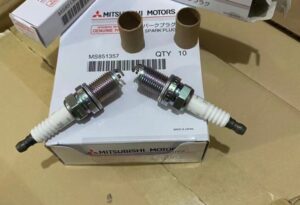
It’s like your car is trying to send you a message, and once you know the language, it’s pretty clear. Here are the most common signs that your spark plugs might be struggling, based on what I’ve seen and experienced:
- Engine Misfires or Rough Idling: This is often one of the first symptoms of bad spark plugs you’ll notice. Have you ever felt your engine shake or stutter, especially when stopped at a red light? It feels like it’s struggling to breathe. I remember my old sedan doing this; it felt like the car was having a mini-earthquake at idle. This happens when a plug isn’t firing correctly, causing a cylinder to miss its combustion stroke.
- Difficulty Starting Your Car: If your engine cranks but doesn’t catch easily, or takes longer than usual to fire up, worn-out spark plugs could be to blame. They might not be generating a strong enough spark. It’s a bit like trying to wake up a sleepy teenager – sometimes it takes a few tries! This can be particularly frustrating on a cold morning.
- Reduced Fuel Economy: Are you suddenly visiting the gas station more often? Bad spark plugs lead to inefficient fuel combustion. This means your engine needs more fuel to do the same work it used to. My wallet certainly noticed. When my spark plugs started failing, I was filling up way more frequently for the same commute. This is a subtle but impactful sign.
- Lack of Acceleration or Sluggish Performance: Does your car feel less responsive? Trying to pass someone on the highway and your car just doesn’t have that “oomph” it used to? That’s a classic sign. Faulty spark plugs can’t ignite the fuel-air mixture effectively, robbing your engine of power. It feels like your car is wearing lead boots and struggling to keep up.
- Check Engine Light (CEL): Ah, the dreaded check engine light! While it can mean many things, faulty spark plugs are definitely on the list. If your car detects a misfire from a particular cylinder, often due to a bad spark plug, it will illuminate the CEL. Don’t ignore this; it’s your car’s universal “something’s wrong” signal.
- Engine Knocking or Pinging Sound: This is a more serious symptom. A distinct “pinging” or “knocking” sound, especially under acceleration, indicates improper combustion. The fuel-air mixture is igniting at the wrong time, which can lead to engine damage over time. If you hear this, get it checked out promptly. It’s not a sound you want to ignore.
- Unusual Odor (e.g., Fuel Smell): Ever smelled a strong gasoline scent, especially when starting up or at idle? That could be unburnt fuel exiting the exhaust because the spark plugs aren’t igniting it properly. This means wasted fuel and can be an environmental concern too. It’s another clear indicator of inefficient combustion due to bad spark plugs.
Recognizing these symptoms of bad spark plugs is your first line of defense. Spark plugs are wear-and-tear items, much like your tires or oil. They don’t last forever. Most car manufacturers recommend replacing them every 30,000 to 100,000 miles, depending on the type and your car’s make. Always check your car’s manual for the specific recommendations.
Don’t let these little parts turn into big problems. If you notice any of these signs, getting your spark plugs checked is a smart move. It’s a relatively inexpensive repair that can make a huge difference in your car’s performance and longevity. Your car (and your wallet!) will thank you for taking good care of it.