A burnt spark plug presents distinct visual cues of severe overheating, most notably a white, blistered insulator or melted electrodes. This damage indicates critical engine issues like an incorrect heat range, pre-ignition, or a lean fuel mixture. Recognizing these tell-tale signs is crucial for prompt diagnosis and preventing further costly engine problems.
What Does A Burnt Spark Plug Look Like Your Guide
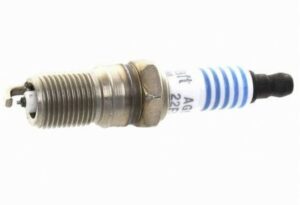
Ever wonder what’s going on inside your car’s engine? Sometimes, a tiny but mighty component, like a spark plug, can tell a big story about your engine’s health. When things go wrong, a spark plug can look quite damaged, often appearing “burnt.” This usually means it’s been exposed to extreme heat or incorrect combustion conditions, leading to a dark, eroded, or even melted appearance. It’s a clear signal that something needs attention under the hood.
Spotting a burnt spark plug isn’t just a matter of curiosity; it’s crucial for diagnosing deeper engine problems. It’s like your car giving you a direct message, saying, “Hey, something isn’t right here!” Let’s dive into what that message looks like and what it means for you and your vehicle.
So, what does a burnt spark plug look like, and what does it mean for my car?
Well, when you pull out a spark plug and it looks burnt, you’ll immediately notice it’s not the healthy tan or grayish-white color you expect. Instead, a burnt spark plug often presents a rather stark and alarming picture. Here’s what to look for and what it signals:
- Eroded Electrodes: One of the most common signs of a burnt spark plug is severe erosion of both the center and ground electrodes. They might look like they’ve been gnawed away or significantly worn down, often with sharp edges instead of smooth, rounded ones. This happens because the excessive heat literally eats away at the metal over time.
- Melted Appearance: In more severe cases, parts of the spark plug might look melted. The ceramic insulator could be blistered or cracked, and the metal electrodes might appear fused or significantly deformed. I once saw a plug where the ground electrode was almost completely gone, just a stump remaining. That was a clear sign of extreme overheating!
- Ash Deposits or White/Gray Buildup: Sometimes, instead of black, you might see heavy white or grayish deposits, almost like ash, on the insulator and electrodes. This indicates an extremely hot engine condition or possibly even pre-ignition, where the fuel ignites too early. These deposits can also be chalky, telling you the plug is running way too hot.
- Extreme Discoloration: While some discoloration is normal, a burnt spark plug will be noticeably darker, often black or very dark brown, especially on the ceramic insulator tip. This isn’t just soot from a rich mixture; it’s more indicative of thermal stress.
- Blistered or Glazed Insulator: The ceramic insulator around the center electrode might look blistered, shiny, or glazed. This is another tell-tale sign of overheating, as the heat has caused the ceramic material to change its surface structure.
What does this mean for your car? Finding a burnt spark plug is a huge red flag. It points to conditions that are incredibly harsh on your engine. Here are some common causes:
- Overheating: This is the primary culprit. It can be due to a lean fuel mixture (not enough fuel for the air), incorrect ignition timing, a faulty cooling system, or even using a spark plug with the wrong heat range for your engine. A plug that’s too hot for the application can’t dissipate heat effectively.
- Pre-ignition or Detonation: These are engine-damaging conditions where the fuel-air mixture ignites before the spark plug fires (pre-ignition) or explodes rather than burns smoothly (detonation). Both create intense heat that can quickly destroy a spark plug and eventually damage engine components.
- Carbon Buildup (though less directly “burnt”): While a very sooty, black plug often means a rich fuel mixture or oil burning, if that carbon gets hot enough, it can also lead to pre-ignition and contribute to a burnt appearance.
My advice, from personal experience, is never just to replace a burnt spark plug and call it a day. That’s like putting a band-aid on a gaping wound. When I found that severely eroded plug in my old car, I knew I had to dig deeper. It turned out to be a combination of a failing fuel injector and a slight timing issue causing a lean condition. Simply swapping the plug would have led to the same problem recurring very quickly, potentially causing more serious engine damage down the line.
Always inspect all your spark plugs if you find one that looks burnt. Often, if one is bad, others might show early signs. Then, focus on diagnosing the root cause. This might involve checking your fuel system, ignition timing, engine sensors, or even consulting a professional mechanic to pinpoint why your spark plug got so toasted. Addressing the underlying issue is key to keeping your engine healthy and avoiding more costly repairs.
Ultimately, a burnt spark plug is your car’s way of asking for help. Paying attention to these visual clues and taking proactive steps to diagnose the problem can save you a lot of headaches and money in the long run. Keep those eyes peeled!