A spark plug gap that is too big causes significant engine performance issues, primarily leading to misfires and rough idling as the ignition coil struggles to bridge the excessive distance. This results in reduced power, poor acceleration, and decreased fuel efficiency, impacting your vehicle’s overall reliability. Ensuring correct spark plug gapping is crucial to prevent these problems and maintain optimal engine operation.
Engine Trouble Ahead What Happens If Spark Plug Gap Is Too Big
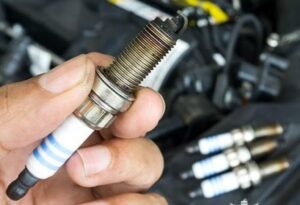
Hey there, fellow car enthusiast! Ever had your car feel a bit “off,” like it’s just not quite itself? Maybe it’s sluggish, vibrating strangely, or gulping down gas more than usual. Sometimes, the culprit is something surprisingly small, yet incredibly important: when your spark plug gap is too big. It’s one of those hidden details that can throw your entire engine into a bit of a tantrum, leading to all sorts of noticeable performance issues. Think of it like trying to jump a really wide ditch – it takes a lot more effort, and sometimes you just can’t make it across!
Essentially, a spark plug with a gap that’s too wide makes your engine work much harder than it needs to. This isn’t just about a little inefficiency; it can lead to a cascade of problems, from annoying misfires to potential damage to your ignition system. But don’t worry, understanding what happens is the first step to fixing it and getting your car running smoothly again.
How does a spark plug gap that’s too big affect my car’s performance, and what can I do about it?
When your spark plug gap is too big, the electrical current from your ignition coil has a much longer distance to travel to create a spark. This tiny jump is what ignites the fuel-air mixture in your engine’s cylinders, making everything go. If the gap is excessive, that spark might be weak, inconsistent, or not happen at all. Here’s a breakdown of what that means for your driving experience, based on what I’ve seen and experienced:
- Engine Misfires: This is probably the most common and annoying symptom. Your engine might feel like it’s stumbling or hesitating, especially under acceleration. I once had a car that felt like it was having a mini-seizure at stoplights, shaking and sputtering. Turns out, a few spark plugs had gaps that were way off, causing constant misfires. It makes for a really rough ride!
- Rough Idling: When your car is stopped and the engine is running, it might feel shaky or vibrate more than usual. This is often due to an inconsistent spark from a spark plug gap that’s too big, leading to incomplete combustion in one or more cylinders.
- Reduced Fuel Economy: Because the fuel isn’t burning efficiently, your engine ends up using more gas to produce the same amount of power. I remember my gas mileage dropping for no clear reason on a road trip, and a quick check of the spark plugs revealed the culprit – those gaps were just too wide.
- Difficulty Starting: Especially in cold or damp weather, a weak spark might not be strong enough to ignite the fuel-air mixture, making your car crank longer or struggle to start. I recall one chilly morning, my car just cranked and cranked… and yes, that extra-wide spark plug gap was the problem.
- Reduced Engine Power: If your engine isn’t igniting fuel properly, it simply can’t generate its full power. You’ll notice your car feels sluggish and unresponsive, almost like it’s struggling to keep up.
- Check Engine Light: Misfires are often detected by your car’s computer, which will illuminate the dreaded Check Engine Light on your dashboard. This is a clear signal that something is amiss and needs attention.
- Increased Emissions: Incomplete combustion means more unburnt fuel ends up exiting your exhaust, which isn’t good for the environment or your car’s catalytic converter.
- Damage to Ignition System Components: When the gap is too big, your ignition coil has to work extra hard to try and bridge that gap. Over time, this excessive strain can wear out the coil faster, leading to a much more expensive repair than simply adjusting a spark plug.
So, what can you do about it? Luckily, checking and adjusting your spark plug gap is relatively straightforward. You’ll need a spark plug gap tool (they’re super cheap and easy to use) and your car’s service manual or a reliable online resource to find the correct gap specification. Don’t guess – precision is key here!
When you’re replacing spark plugs, always check the gap on new ones, even if they claim to be “pre-gapped.” Factory settings can sometimes be a little off, or they might have gotten jostled during shipping. Adjusting the gap usually involves gently bending the ground electrode (the metal arm over the center electrode) with the gap tool. A little goes a long way!
If you’re not comfortable doing it yourself, don’t hesitate to take it to a trusted mechanic. It’s a quick, inexpensive fix that can prevent much bigger problems down the road. It’s like giving your engine a big sigh of relief!
Keeping an eye on small details like your spark plug gap is a huge part of being a proactive car owner. It’s amazing how such a tiny adjustment can make such a massive difference in your car’s performance and longevity. So, next time your engine feels a little off, remember that tiny gap might be the key to getting it back on track. Happy driving!