Ignoring spark plug replacement directly impacts your car’s performance and long-term health, leading to costly consequences. You’ll experience significant issues like engine misfires, a noticeable drop in fuel economy, and eventual damage to critical components such as your catalytic converter or ignition coils. Prioritize this simple maintenance to ensure your vehicle runs efficiently and avoids expensive repairs.
We’ve all been there, right? That little voice in the back of your head wondering, “Do I really need to do that car maintenance task?” When it comes to spark plugs, it’s easy to overlook them. They’re out of sight, out of mind. But trust me on this one – ignoring them can lead to a surprisingly long list of headaches for you and your wallet.
The short answer to “What happens if you don’t change your spark plugs?” is this: your car will gradually start to underperform, consume more fuel, and eventually, you might face some pretty costly repairs. It’s like trying to run a marathon on empty stomach – it just won’t go well. Let’s dive into the truth of what really goes down.
What happens if you don’t change your spark plugs regularly?
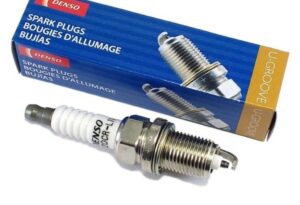
Alright, let’s get into the nitty-gritty. Think of spark plugs as tiny electrical heroes. Their job is to create a spark that ignites the air-fuel mixture in your engine’s cylinders, making your car go. Over time, these little heroes wear out. The electrode erodes, carbon builds up, and that crisp, powerful spark becomes weak or even nonexistent. So, what happens when you keep those old, worn-out spark plugs in your engine?
- Your Fuel Economy Takes a Nosedive: This is often one of the first things you’ll notice. I remember my old sedan suddenly feeling like a gas guzzler, draining my wallet at every fill-up. Worn spark plugs can’t ignite fuel efficiently, meaning your engine has to work harder and use more gas just to keep up. It’s literally burning money.
- Engine Misfires and Rough Idling: Have you ever felt your car stumble, shake, or hesitate, especially when you’re stopped at a light? That’s often an engine misfire, and old spark plugs are a common culprit. If a spark plug isn’t firing correctly, that cylinder isn’t contributing power smoothly. It makes your car feel like it has a persistent cough.
- Difficulty Starting Your Car: Especially on a cold morning, if your car cranks and cranks but struggles to turn over, weak spark plugs could be the issue. They just can’t produce the strong spark needed to get things going reliably. It’s a frustrating way to start your day, trust me.
- Sluggish Acceleration and Reduced Power: Remember how your car used to have a little pep in its step? If you find yourself pressing the accelerator harder and harder just to get up to speed, or if your car feels noticeably weaker on inclines, worn spark plugs are likely robbing your engine of its power. It feels like you’re towing an invisible trailer.
- Increased Emissions and Check Engine Light: When fuel isn’t burned completely due to a weak spark, more harmful pollutants come out of your exhaust. This isn’t just bad for the environment; it can cause your check engine light to illuminate and even lead to failing emissions tests. My buddy once failed his inspection because of neglected plugs – a quick change and he passed with flying colors.
- Potential for Costly Engine Damage: This is the big one, and why not changing spark plugs isn’t just an inconvenience. Constant misfires can send unburnt fuel into your catalytic converter, causing it to overheat and fail. Replacing a catalytic converter is a very expensive repair, often costing well over a thousand dollars! Also, old plugs can strain your ignition coils, leading to their premature failure.
I learned this the hard way years ago with an older vehicle. I put off changing them, thinking “it’s fine.” Eventually, the misfires became constant, and I ended up needing new coils *and* spark plugs. If I had just done the plugs when recommended, I would have saved myself a significant amount of money and a lot of stress. It’s a relatively inexpensive maintenance item that can prevent much larger problems down the road. Check your car’s owner’s manual for the recommended interval – it’s usually between 30,000 and 100,000 miles, depending on the type of plug.
So, what happens if you don’t change your spark plugs? Ultimately, you set yourself up for a less reliable, less fuel-efficient, and potentially more expensive driving experience. Don’t let those little igniters be your car’s Achilles’ heel. Give your engine the clean, powerful spark it deserves, and enjoy smoother rides and fewer trips to the gas station!