The spark plug heat range fundamentally measures its capacity to dissipate heat from the combustion chamber, determining how “hot” or “cold” it runs. This crucial thermal characteristic ensures the plug maintains an optimal operating temperature, preventing performance-sapping fouling or damaging pre-ignition essential for peak engine performance and longevity.
Mastering Spark Plug Heat Range For Engine Performance
Have you ever wondered why your engine sometimes feels a bit off, or why choosing the right spark plug feels like rocket science? It’s a common feeling, and often, the key lies in something called the spark plug heat range. Simply put, the spark plug heat range isn’t about how hot the spark is, but rather how quickly the plug itself can transfer heat away from the combustion chamber. Think of it like a tiny radiator inside your engine, constantly working to keep things just right. Getting this balance right is super important for your engine’s health and how well it performs.
So, what exactly is spark plug heat range, and why does it matter so much?
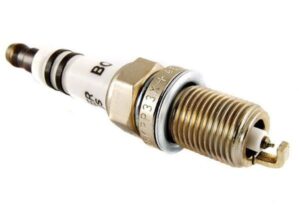
When we talk about spark plug heat range, we’re really talking about its ability to shed heat. Every time your engine fires, a tiny explosion happens in the combustion chamber, creating immense heat. The spark plug has to endure this heat and also help manage it. A spark plug’s heat range is determined by the length of its ceramic insulator nose and the material it’s made from. This design dictates how long the heat has to travel before it’s absorbed by the cylinder head and cooling system.
Imagine two types of spark plugs: “hot” and “cold.” It’s not about their actual temperature, but their heat dissipation capabilities. A “hot” spark plug has a longer insulator nose. This longer path means heat travels more slowly from the tip to the engine’s cooling system. This keeps the plug tip hotter, which is great for preventing carbon buildup and fouling, especially in engines that run at lower RPMs or in stop-and-go city driving. I remember my old commuter car would always foul plugs if I didn’t occasionally take it on the highway, and my mechanic friend told me then it was all about the heat range helping to “burn off” deposits!
On the flip side, a “cold” spark plug has a shorter insulator nose. This shorter path allows heat to transfer more quickly from the tip, keeping the plug tip cooler. Why would you want a cooler tip? Well, if you have a high-performance engine, maybe one with a turbocharger or supercharger, or one that runs at consistently high RPMs, things get much hotter inside. A cold plug is crucial here to prevent pre-ignition and detonation. Pre-ignition is when the fuel ignites too early, before the spark plug even fires, often caused by an overheated plug tip. Detonation, or “engine knock,” is equally bad, leading to lost power and serious engine damage. I learned this the hard way with a modified project car – the wrong plugs led to a very unhappy engine sound and a quick trip to the shop. It was a costly lesson in respecting the heat range!
Choosing the correct spark plug heat range is like finding the “Goldilocks” zone for your engine – not too hot, not too cold, but just right. If your plugs are too hot, you risk those scary pre-ignition issues that can literally melt engine components. If they’re too cold, you might experience misfires, poor fuel economy, and a sluggish engine because of carbon buildup on the plug tip. It’s a fine line!
So, how do you know what’s right for your ride? Always start with your vehicle’s manufacturer recommendations. Check your owner’s manual or the sticker under your hood. If you’ve modified your engine – perhaps added a forced induction system, increased compression, or re-tuned it for higher performance – then you absolutely need to reconsider your spark plug heat range. This is where talking to your engine builder or tuner becomes vital. They can recommend the appropriate colder plug to match your engine’s new heat demands. Don’t guess here; it’s just not worth the risk.
Ultimately, understanding the spark plug heat range gives you power over your engine’s performance and longevity. It’s a small component with a huge job. By ensuring you have the right plugs, you’re not just preventing potential headaches; you’re also ensuring your engine runs efficiently, reliably, and powerfully, just as it should.