Spark plug socket sizes are not universal; you absolutely must verify the correct measurement for your specific vehicle. While 5/8″, 13/16″, 14mm, and 16mm are common, always consult your owner’s manual or measure an existing plug to avoid costly damage. Get the right fit and make your next spark plug change a breeze!
Ever stood there, tools scattered around, staring at your engine and wondering, “What size socket do I actually need for these spark plugs?” You’re not alone! It’s a common question, and getting the right size is the first step to a smooth spark plug change.
For most modern cars, you’ll typically be looking for a 5/8 inch (16mm) spark plug socket. This is a super common size these days. However, it’s not always a one-size-fits-all situation. Some older vehicles, or even specific engine designs, might still use a 13/16 inch (21mm) socket. And occasionally, you might encounter a smaller 9/16 inch (14mm) size, especially with some newer, smaller engines or specialty plugs. Let’s dive deeper into how to figure out the exact size for your vehicle and what else you should know.
What Size Socket Do I Need for Spark Plugs, and What Else Should I Know?
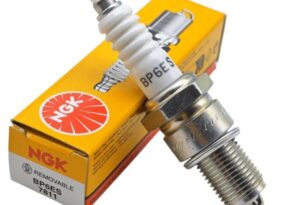
Finding the correct spark plug socket size is absolutely crucial. Using the wrong size can strip the hex on the spark plug, making it incredibly difficult to remove or install. It can also damage the socket itself. Here’s a breakdown of what you need to know, drawing from my own years of tinkering under the hood:
The Most Common Spark Plug Socket Sizes:
- 5/8 inch (16mm): This is hands down the most prevalent size for spark plugs in many contemporary vehicles. If you have a relatively new car, this is often your best bet.
- 13/16 inch (21mm): Still very common, especially in older cars, trucks, and some larger engines. My old pickup truck, for example, always needed this size.
- 9/16 inch (14mm): Less common, but you’ll find these on some newer, compact engines or those with specific types of spark plugs that have a smaller hex.
How to Confirm Your Specific Spark Plug Socket Size (No Guesswork Needed!):
Don’t just guess; confirm! Trust me, a little preparation saves a lot of frustration.
- Check Your Owner’s Manual: This is your absolute best friend. Your car’s owner’s manual often specifies the spark plug type and size required. It’s the manufacturer’s word!
- Look at the Existing Spark Plugs: If you can easily access and see the hex part of one of your current spark plugs, you can often measure it with a caliper or even try fitting a couple of common socket sizes to see which one snugly fits. Just be careful not to overtighten if you’re just testing.
- Consult an Auto Parts Store: Head over to your local auto parts store. They can look up the exact spark plug size for your vehicle using your car’s make, model, year, and often your VIN. They’re a wealth of information!
- Invest in a Spark Plug Socket Set: This is a tip I always give to friends. If you plan on doing your own spark plug changes regularly, a dedicated spark plug socket set is worth its weight in gold. Most sets include the common sizes, ensuring you have the right one when you need it. I bought one years ago, and it’s saved me countless trips to the store.
What Makes a Good Spark Plug Socket? (It’s Not Just About Size!)
When you’re looking for that perfect spark plug socket, keep these features in mind:
- Rubber Insert: This is CRUCIAL. A good spark plug socket has a rubber insert inside that grips the ceramic insulator of the spark plug. This prevents the plug from falling out of the socket when you’re pulling it from deep wells, and it also protects the ceramic from cracking. I learned this the hard way once, dropping a brand new plug because my old socket didn’t have this feature!
- Thin Walls: Modern engines often have spark plugs buried in tight, deep recesses. A thin-walled socket is essential to fit into these confined spaces. A standard deep-well socket might be too thick.
- Length: You’ll almost always need a deep-well socket, typically 6 inches or longer, to reach the spark plugs.
- Magnetic vs. Rubber Insert: Some sockets use a magnet instead of a rubber insert. Both work, but many mechanics, myself included, prefer the rubber for its gentle grip and insulating properties.
Other Essential Tools for Changing Spark Plugs:
Having the right spark plug socket is just one piece of the puzzle. You’ll also need:
- Ratchet Wrench: A 3/8-inch drive is common for spark plug sockets.
- Extension Bars: Various lengths are helpful to reach those deeply set plugs.
- Torque Wrench: This isn’t optional, folks! Spark plugs need to be tightened to a specific torque setting. Over-tightening can strip the cylinder head threads (a very expensive repair!), and under-tightening can cause misfires and looseness. Get one and use it.
- Dielectric Grease: For the spark plug boot, to prevent sticking and corrosion.
- Spark Plug Gapping Tool: If your new plugs aren’t pre-gapped, you’ll need one.
Remember to always work on a cool engine and disconnect the battery as a safety precaution. Your safety should always be your top priority!
So, while 5/8 inch (16mm) is a solid guess for many modern cars when asking what size socket do I need for spark plugs, the very best approach is always to confirm the exact size for your specific vehicle. Taking a few moments to verify will save you headaches, time, and potential damage. Arm yourself with the right tools and information, and you’ll be changing those spark plugs like a seasoned pro!