Removing spark plugs easily primarily requires the correct socket size, most commonly 16mm (5/8 inch) or 18mm. While these are standard, some vehicles may use 14mm or 21mm, so always check your car’s specifications or measure. Using the precise fit prevents stripping the plug or damaging the engine, making the job simple and stress-free.
Discover What Size Socket to Remove Spark Plug Easily
Hey there! Thinking about changing your spark plugs? It’s a great DIY project that can really save you some money and give you a sense of accomplishment. But before you even think about twisting, a common question pops up: what size socket to remove spark plug do I need?
Here’s the quick answer: there isn’t one universal “what size socket to remove spark plug” because cars and plugs vary. However, for most modern vehicles, you’ll likely need either a 5/8 inch (16mm) or a 9/16 inch (14mm) spark plug socket. Older or larger engines might use a 13/16 inch (21mm). Don’t worry, figuring out the exact one for your car is easier than you think, and I’ll walk you through it.
What size socket do I need to remove a spark plug, and how can I be sure to get the right one?
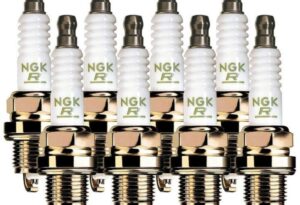
You’re not alone in wondering about the exact spark plug socket size. It’s one of those initial hurdles, but once you know, it becomes second nature. As I mentioned, the exact size depends on your car’s make, model, and year, as well as the specific spark plugs it uses. Let’s dive into how to be absolutely certain you have the right tool for the job.
First off, the most common sizes you’ll encounter for a spark plug socket are 5/8 inch (16mm), 9/16 inch (14mm), and sometimes 13/16 inch (21mm). Many modern cars, especially smaller engines, tend to use the 14mm or 16mm sockets. Older vehicles or those with larger engines might lean towards the 21mm. I’ve even seen some rare ones that call for an 18mm. So, how do you nail it down for your specific vehicle?
Here are my go-to tips, gleaned from many weekends under the hood:
- Check Your Owner’s Manual First: This is always my first stop! Your car’s owner’s manual is a treasure trove of information. It often specifies the correct spark plug type and the corresponding socket size. It’s like having a mechanic’s best advice right in your glove box.
- A Quick Online Search is Your Friend: If the manual isn’t handy, head to Google. Type in something like “[Your Car’s Year] [Make] [Model] spark plug socket size.” For example, “2018 Toyota Camry spark plug socket size.” You’ll usually find forums, auto parts websites, or repair guides that give you the exact size you need to remove spark plug easily.
- Inspect an Existing Spark Plug (Carefully!): If you can safely access an existing spark plug, sometimes you can visually gauge its hex size. If you have a caliper, you can measure across the hex (the part the socket grabs). Just be gentle! You don’t want to damage anything before you even start the job.
- The “Right” Spark Plug Socket Has Special Features: It’s not just about the size. A proper spark plug socket has a few crucial elements:
- A Rubber Insert: This is a must-have! The rubber insert grips the ceramic insulator of the spark plug, preventing it from cracking and holding onto the plug so you can easily pull it out of the engine bay without dropping it. Trust me, I once tried a regular socket and spent way too long fishing a dropped plug out of a tight spot!
- Thin Walls: Modern engines often have spark plugs buried deep in narrow wells. A standard, thick-walled socket might not fit into these tight spaces. A good spark plug socket has thinner walls to reach those recessed plugs. I learned this the hard way when my standard socket just wouldn’t get down to the plug!
- Correct Length: You’ll usually need an extension with your spark plug socket to reach deep into the engine. A 6-inch extension is common, but sometimes a longer or shorter one is needed.
- Consider a Spark Plug Socket Set: If you plan on doing this often, or have multiple vehicles, investing in a small spark plug socket set is a smart move. These sets usually include the most common sizes like 5/8″, 13/16″, 14mm, and 16mm, often with different drive sizes (3/8″ or 1/2″). Having these on hand saves you multiple trips to the auto parts store.
Remember, never force a socket onto a spark plug. The wrong size can strip the plug’s hex, making it incredibly difficult to remove, or worse, damage the engine head. Always ensure the socket slides on smoothly and fits snugly.
So, when you’re asking “what size socket to remove spark plug,” the best advice is to check your car’s specifics first. With the right information and the proper spark plug socket—complete with that handy rubber insert and thin walls—you’ll be changing those plugs like a pro in no time!