The “best” spark plug isn’t universal; it depends entirely on your vehicle’s specific engine requirements and manufacturer recommendations. While various types like copper, platinum, and iridium exist, understanding their unique performance characteristics, durability, and cost is key. Ultimately, choosing the correct plug ensures optimal engine efficiency and longevity tailored to your car.
Ever scratched your head wondering what type of spark plugs are best for your car? It’s a super common question! We all want our ride to run smoothly and efficiently. The simple truth is, there isn’t just one “best” spark plug for everyone. What’s best truly depends on your specific vehicle, how you drive it, and even your budget. Let’s explore this together, just like we’re chatting over coffee.
Picking the right spark plugs feels like a big decision. But once you understand the different types and what your car actually needs, it becomes much clearer. Forget the hype. Focus on what works for your engine. Understanding what type of spark plugs are best means knowing your options.
What Type of Spark Plugs Are Best for My Car, Really?
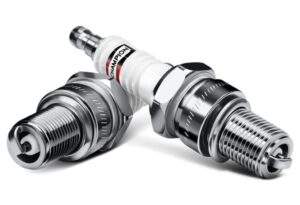
The answer, my friend, is not a one-size-fits-all. It really boils down to what your car’s manufacturer recommends and the type of engine you have. But let me walk you through the main types of spark plugs out there and what factors make one “best” for a certain situation.
1. Copper Spark Plugs
These are the old-school classics. Copper has excellent electrical conductivity. They are usually the cheapest option. However, copper is a softer metal, so these plugs wear out faster. They typically last around 20,000 to 30,000 miles. They work great for older cars, especially those built before the late 1980s. Some high-performance older engines also use them because of their superior conductivity, but they need frequent changes. I remember my buddy with his vintage muscle car always used copper plugs. He just swapped them out more often to keep things humming.
2. Platinum Spark Plugs
Platinum is a harder metal than copper. This means platinum plugs last much longer. We’re talking 60,000 to 100,000 miles! They offer good performance and are a great all-around choice for many modern cars. You might see “single platinum” or “double platinum” plugs. Double platinum means platinum is on both the center and ground electrodes. This extends life even more, making them ideal for engines with “wasted spark” ignition systems. My old sedan specifically called for double platinum, and it ran perfectly for years on them.
3. Iridium Spark Plugs
These are the top dogs when it comes to durability and performance. Iridium is incredibly hard and has a very high melting point. Iridium spark plugs feature a very fine wire center electrode. This design makes for a very strong, consistent spark. They can last up to 120,000 miles or even more! Most newer vehicles with advanced ignition systems are designed to use iridium plugs. They cost more upfront, but their longevity and reliable performance often make them worth it. For my current SUV, the manual specified iridium, and sticking to that has given me super smooth idling and great mileage.
Key Factors in Choosing Spark Plugs:
- Your Car’s Owner’s Manual: Seriously, start here! Your car’s manufacturer knows best what type of spark plugs are best for its engine. They’ve tested it. Sticking to their recommendation is crucial for performance and longevity.
- Engine Type: Older engines might be fine with copper. Modern, high-tech engines almost always require platinum or iridium for their precise ignition and longer life.
- Driving Habits: While less of a factor if you follow the manual, extreme driving might put more stress on plugs. But again, the manufacturer’s spec usually accounts for this.
- Budget vs. Lifespan: Copper is cheap but needs frequent changes. Iridium is expensive but lasts a very long time. Think about how often you want to change them.
A personal tip: Never try to “upgrade” to a different type of plug unless explicitly advised by a trusted mechanic who understands your specific engine. For example, putting copper plugs in an engine designed for iridium can cause misfires and engine damage over time. Also, always check the gap, even on “pre-gapped” plugs. A small gap difference can impact performance significantly!
Ultimately, there isn’t a single answer to what type of spark plugs are best. It all comes down to your car’s specific needs and the manufacturer’s recommendations. Trust your owner’s manual, and when in doubt, consult a reliable mechanic. Doing so will ensure your car runs efficiently and reliably for many miles to come!