No, all spark plugs are definitely not the same! Selecting the correct spark plug is absolutely critical for your engine’s optimal performance and longevity. Differences in heat range, material, gap, and design are tailored to specific engine requirements, making it vital to choose the right one to avoid issues and ensure efficiency.
Ever found yourself staring at a wall of spark plugs in an auto parts store, feeling a little overwhelmed? You’re not alone! It’s easy to think, “A spark plug is just a spark plug, right? They all pretty much do the same job.” After all, they’re small, relatively inexpensive, and often hidden deep within your engine. But here’s a little secret I’ve learned from years of wrenching on cars: that seemingly simple component is anything but generic.
I remember one time my old sedan started feeling sluggish, like it was constantly out of breath. It was sputtering, the gas mileage was dropping, and starting it up in the morning felt like a gamble. My first thought was, “Time for new spark plugs!” So, I grabbed what looked like a standard set, thinking I was doing my car a favor. Big mistake! It turned out my car needed a very specific type, and the ‘generic’ ones I picked up actually made things worse. This little adventure taught me a valuable lesson: when it comes to spark plugs, one size definitely does not fit all.
So, let’s dive deep into the fascinating world of these tiny but mighty components. We’ll uncover why choosing the right spark plug is critical for your vehicle’s health and performance, and how a little knowledge can save you a lot of headache (and money!) down the road. Prepare to uncover the critical details that make all the difference.
Key Takeaways
- Spark plugs differ: Vehicle-specific design ensures optimal engine function.
- Match plugs carefully: Incorrect types harm performance and fuel economy.
- Check your manual: Always refer to OEM specifications for replacements.
- Consider key specs: Gap, heat range, and material are vital choices.
- Wrong plugs damage: Misapplication can lead to engine misfires or failure.
- Upgrade wisely: Premium plugs offer specific benefits, but aren’t universal.
📑 Table of Contents
The Heart of Your Engine: What Spark Plugs Do
Think of your car’s engine as a finely tuned orchestra, and the spark plugs are the conductor’s baton, signaling when the show begins. In a gasoline engine, the basic process of making power involves four steps: intake, compression, combustion, and exhaust. The spark plug is the star of the combustion phase.
Igniting the Magic
Once air and fuel are mixed and compressed in the combustion chamber, the spark plug delivers a precisely timed electrical spark. This spark ignites the air-fuel mixture, causing a tiny explosion that pushes the piston down, ultimately turning the crankshaft and powering your wheels. It’s a relentless process, happening thousands of times per minute as you drive!
More Than Just a Spark
But a spark plug does more than just spark. It also plays a crucial role in dissipating heat from the combustion chamber. Imagine the extreme temperatures inside your engine; the spark plug helps transfer some of that heat away, preventing engine damage and ensuring consistent performance. A healthy spark plug translates directly into better fuel efficiency, smoother acceleration, lower emissions, and overall engine longevity. Neglect your spark plugs, and your car will definitely let you know!
Decoding Spark Plug Anatomy: Beyond the Basics
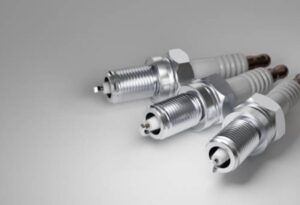
When you look closely at different spark plugs, you’ll start noticing variations in their construction. These differences aren’t just for show; they’re engineered to meet specific demands of various engines and driving conditions.
Material Matters: The Electrode’s Story
The tip of the spark plug, known as the electrode, is where the magic spark happens. The material it’s made from significantly impacts performance and lifespan.
- Copper Spark Plugs: These are the traditional workhorses. Copper is an excellent electrical conductor, making it great for a strong spark. However, copper is a softer metal and wears down faster, meaning these spark plugs typically need replacement every 30,000 miles or so. They’re often found in older cars or those with less demanding ignition systems.
- Platinum Spark Plugs: Stepping up the durability, platinum plugs feature a platinum disc welded to the center electrode. Platinum is much harder than copper, resisting wear and corrosion better. This translates to a longer lifespan, often 60,000 to 80,000 miles. Double platinum plugs have platinum on both the center and ground electrodes, common in “wasted spark” ignition systems.
- Iridium Spark Plugs: These are the top-tier champions of longevity and performance. Iridium is even harder and has a higher melting point than platinum, allowing for a finer wire electrode. A thinner electrode requires less voltage to produce a powerful spark, leading to more efficient combustion, better fuel economy, and incredibly long lifespans – often 100,000 miles or more! They are a popular choice for modern, high-performance engines.
Heat Range: Hot vs. Cold Plugs
This is where things get really specific. A spark plug’s “heat range” refers to its ability to dissipate heat away from the combustion chamber. It’s not about the temperature of the spark itself, but rather how quickly the plug transfers heat to the engine’s cooling system.
- Hot Spark Plugs: These plugs have a longer insulator nose, which means a longer path for heat to travel before it’s transferred away. This keeps the plug tip hotter, helping to burn off carbon deposits in engines that run cooler or have lower compression ratios.
- Cold Spark Plugs: Conversely, cold plugs have a shorter insulator nose, allowing heat to dissipate faster. This keeps the plug tip cooler, which is crucial for high-performance, high-compression, or turbocharged engines that generate a lot of heat. Using a hot plug in a cold application can lead to pre-ignition or detonation, which is very damaging to an engine.
Gap Size and Thread Reach
Even the physical dimensions matter. The “gap” is the distance between the center and ground electrodes. This gap must be precisely set to deliver the optimal spark for your engine. Too wide, and the spark might be too weak or not jump at all; too narrow, and the spark might be insufficient or smothered. The “thread reach” is how far the plug extends into the combustion chamber. Using a plug with the wrong thread reach can cause serious damage (if too long, it can hit the piston) or poor performance (if too short, it won’t be in the optimal position for ignition).
Why One Size Doesn’t Fit All: The Impact of Engine Design
The biggest reason why all spark plugs aren’t the same boils down to the incredible diversity of modern engines. Engine designers painstakingly engineer every component to work in harmony, and the spark plug is no exception.
Manufacturer Specifications are King
Every vehicle manufacturer specifies a precise spark plug type for each engine they produce. This recommendation takes into account countless factors:
- Engine Compression Ratio: Higher compression engines require colder spark plugs to prevent pre-ignition.
- Fuel Delivery System: Direct injection engines, for example, often demand specific plug designs for efficient fuel atomization and ignition.
- Ignition System Type: Some modern ignition systems, like “coil-on-plug” designs, put very specific demands on the spark plug’s electrical characteristics.
- Forced Induction: Turbocharged or supercharged engines generate much higher temperatures and pressures, necessitating cold heat range plugs and durable electrode materials like iridium.
- Emissions Standards: The right plug helps ensure complete combustion, which reduces harmful emissions.
Trying to use a spark plug designed for a naturally aspirated, low-compression engine in a modern, high-boost turbocharged engine is like trying to use a screwdriver as a hammer – it simply won’t work right, and you’ll likely cause damage.
The Cost of Mismatching: Performance, Efficiency, and Wallet
If you’re still thinking about cutting corners and grabbing the cheapest spark plugs on the shelf, let me share why that’s a really bad idea. The short-term savings are quickly overshadowed by long-term problems.
Reduced Performance and Driveability
Incorrect spark plugs can lead to a host of performance issues. You might experience:
- Misfires: The engine will hesitate or stumble, especially under acceleration.
- Rough Idle: Your car might shake or vibrate more than usual when stopped.
- Loss of Power: The engine won’t produce its full power, making acceleration feel sluggish.
- Poor Starting: Especially in cold weather, your car might struggle to fire up.
Decreased Fuel Economy
When the air-fuel mixture isn’t ignited efficiently, your engine has to work harder to produce power. This means it consumes more fuel to travel the same distance. That extra money you spend at the gas pump will quickly dwarf any savings you made on cheap spark plugs. It’s a classic case of being “penny-wise and pound-foolish.”
Potential for Engine Damage
This is the most serious consequence. Using spark plugs with the wrong heat range can lead to:
- Pre-ignition: The fuel ignites too early, before the spark plug fires, causing extreme pressure spikes that can damage pistons, connecting rods, and crankshafts.
- Detonation (Knocking): Uncontrolled combustion events that create shockwaves in the engine, also highly destructive.
- Melted Electrodes: If the plug runs too hot, the electrode can literally melt, sending metal fragments into the cylinder.
These issues can lead to extremely expensive repairs, like replacing an entire engine, which will certainly make those few dollars saved on the wrong spark plugs seem incredibly insignificant.
Making the Right Choice: Your Guide to Selecting Spark Plugs
Alright, so you understand why choosing the right spark plug is crucial. Now, how do you make sure you get it right every time?
Consult Your Owner’s Manual: The Golden Rule
This is your definitive guide. Your car’s owner’s manual will specify the exact spark plug type, heat range, and gap setting recommended by the manufacturer. It’s the most reliable source of information you have.
Use Online Part Finders and Auto Store Lookups
If you don’t have your owner’s manual handy, reputable auto parts websites and stores have “part finder” tools. You simply input your vehicle’s year, make, model, and engine size, and it will show you the correct spark plugs for your car. Stick to reputable brands that meet or exceed OEM (Original Equipment Manufacturer) specifications.
Stick to OEM or Recommended Equivalents
While there are many aftermarket spark plug brands, it’s generally best to stick with the brand and type specified by your car’s manufacturer, or a high-quality equivalent that explicitly states it meets or exceeds those specifications. Don’t be tempted by generic “performance” plugs unless they are specifically designed and recommended for your exact engine by a trusted expert.
Practical Tips for Replacement
- Replace a Full Set: Always replace all the spark plugs at once, even if only one seems faulty. They wear out at roughly the same rate.
- Check the Gap (Carefully!): While many modern iridium and platinum plugs come pre-gapped, it’s still wise to double-check the gap with a special spark plug gapping tool, especially for copper plugs. Be extremely gentle with iridium/platinum plugs as their fine electrodes can be easily damaged.
- Use Anti-Seize (with caution): For plugs in aluminum cylinder heads, a tiny bit of anti-seize on the threads can prevent seizing. However, some plug manufacturers recommend against it, as it can alter torque values or interfere with grounding. Always check the plug manufacturer’s instructions!
- Torque Them Correctly: Overtightening can strip threads or damage the plug; undertightening can cause poor heat transfer and blow-outs. Use a torque wrench according to your car’s specifications.
Spark Plug Material Comparison
Here’s a quick reference table to help visualize the differences between common spark plug materials:
| Material Type | Primary Benefit | Typical Lifespan | Cost (Relative) | Common Applications |
|---|---|---|---|---|
| Copper | Excellent Conductivity | 30,000 miles | Low | Older vehicles, less demanding engines |
| Platinum | Good Durability | 60,000 – 80,000 miles | Medium | Many modern vehicles, wasted spark systems |
| Iridium | Superior Durability & Performance | 100,000+ miles | High | High-performance, turbocharged, direct-injection engines |
This table gives you a general idea, but remember that specific recommendations will always vary by vehicle.
Conclusion
So, are all spark plugs the same? By now, I hope it’s crystal clear that the answer is a resounding “No!” These small components are highly specialized, engineered pieces of technology designed to work in perfect harmony with your specific engine’s characteristics. Understanding the different types – from electrode materials to heat ranges – empowers you to make informed decisions for your vehicle.
Choosing the right spark plugs isn’t just about getting a good spark; it’s about ensuring optimal engine performance, maximizing fuel efficiency, reducing harmful emissions, and most importantly, protecting your engine from costly damage. Don’t fall into the trap of thinking a generic spark plug will do. Always refer to your car’s owner’s manual or use reliable online tools to find the exact spark plugs specified for your vehicle. Your engine, and your wallet, will thank you for it!
Frequently Asked Questions
Are all spark plugs the same?
No, all spark plugs are definitely not the same. They vary significantly in design, materials, heat range, and size to meet the specific demands of different engines and ensure optimal performance.
What are the key differences between various spark plugs?
Spark plugs differ primarily in their heat range (how well they dissipate heat), thread size, reach (length of the threaded portion), and electrode materials (copper, platinum, iridium). These variations ensure the plug functions efficiently and reliably under specific engine conditions.
Can I use any spark plug in my car?
Absolutely not; using just any spark plug in your car is highly discouraged and can lead to performance issues or even engine damage. Always refer to your vehicle’s owner’s manual or a reputable parts catalog to find the correct spark plug specifications for your specific make and model.
How do different engine types affect spark plug requirements?
Different engine types, whether high-performance, everyday commuters, or heavy-duty, have unique combustion characteristics and operating temperatures. This dictates the precise heat range, gap, and material composition required for the spark plugs to function efficiently and reliably within that engine.
What happens if I install the wrong type of spark plug?
Installing the wrong type of spark plug can lead to a range of problems, including misfires, reduced fuel efficiency, pre-ignition, and potentially severe engine damage. An incorrectly gapped or heat-ranged plug can either overheat and melt electrodes or foul quickly, impairing combustion.
How can I determine the correct spark plugs for my vehicle?
To determine the correct spark plugs for your vehicle, always consult your car’s owner’s manual first, which provides the precise specifications. Alternatively, use online parts finders provided by auto parts retailers or spark plug manufacturers, inputting your car’s make, model, and year for accurate recommendations.