Changing spark plugs is often an accessible DIY task for many car owners, but the truth is its difficulty varies greatly by vehicle. While some engines offer straightforward access and simple replacement, others present significant challenges due to tight spaces, specialized tools, or potential issues like seized plugs. Always research your specific car model first to gauge the complexity and determine if it’s a manageable project or best handled by a professional.
Hey there, fellow car enthusiast, or just someone looking to save a few bucks on car maintenance! We’ve all been there, wondering about those little repairs that seem simple enough, but carry a hefty price tag at the mechanic. One such job that often pops up in conversation is changing spark plugs. The big question looms: are spark plugs easy to change?
You might have heard conflicting stories – some swear it’s a breeze, a quick DIY win. Others recount tales of stripped threads, seized plugs, and hours spent wrestling with tools. So, what’s the real deal? Can you tackle this job yourself, or is it best left to the pros? Buckle up, because we’re about to reveal the truth and help you decide if a DIY spark plug replacement is in your future.
This isn’t just about mechanics; it’s about empowerment. Understanding your vehicle, even the smaller components like spark plugs, can save you money and give you a huge sense of accomplishment. Let’s dig in and figure out if changing spark plugs is genuinely an easy task for you.
Key Takeaways
- Difficulty varies greatly by vehicle. Engine design dictates complexity and accessibility challenges.
- Engine access is often the main hurdle. Some plugs are simple, others require significant disassembly.
- Always consult your car’s service manual. Specific torque specs and procedures are crucial.
- Gather all correct tools and parts beforehand. Prevent mid-job delays and ensure success.
- Watch model-specific DIY videos for guidance. Visuals clarify tricky steps for your car.
- Avoid over-tightening or cross-threading new plugs. This can cause costly engine damage.
- Consider professional help for complex engines. Sometimes, saving money isn’t worth the risk.
📑 Table of Contents
- The Allure of DIY: Why Consider Changing Spark Plugs Yourself?
- What Makes Changing Spark Plugs “Easy” (or Not)?
- The Step-by-Step Breakdown: What Does the Process Involve?
- Common Roadblocks and How to Overcome Them
- When is it NOT a DIY Job? Knowing Your Limits
- The Verdict: So, Are Spark Plugs Really Easy to Change?
The Allure of DIY: Why Consider Changing Spark Plugs Yourself?
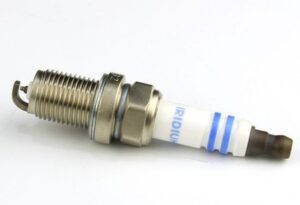
There’s a magnetic pull towards doing things yourself, isn’t there? Especially when it comes to car maintenance. The idea of a DIY spark plug replacement is tempting for several solid reasons. It’s not just about the satisfaction; there are tangible benefits.
Saving Your Hard-Earned Cash
Let’s be honest, this is usually the primary motivator. Mechanics charge for parts and labor. While spark plugs themselves aren’t outrageously expensive, the labor cost can quickly add up, especially if the job takes a few hours. By changing spark plugs yourself, you’re only paying for the parts, which can lead to significant savings. It’s one of the more accessible maintenance tasks where you can really feel the financial benefit.
Learning and Empowerment
Every time you pop the hood and tackle a new task, you learn something new about your vehicle. Understanding how your engine works, even in a small way, builds confidence. Successfully completing a spark plug replacement can be incredibly empowering, opening the door to trying other basic maintenance jobs in the future. It demystifies the car and makes you feel more connected to your ride.
Convenience and Timing
No need to schedule an appointment, drop off your car, and figure out transportation. You can tackle changing spark plugs on your own schedule, whether it’s a Saturday afternoon or an hour after work. This flexibility is a huge perk for many busy individuals. If you find spark plugs easy to change, you can do it whenever suits you.
What Makes Changing Spark Plugs “Easy” (or Not)?
So, why do some people find changing spark plugs a breeze while others struggle? The “ease” of the job isn’t universal; it depends heavily on several factors unique to your vehicle and your skillset. It’s crucial to understand these variables before you start.
Engine Accessibility
This is perhaps the biggest differentiator. Imagine trying to work on something you can barely see or reach – that’s often the case with less accessible engines.
- Easier Access: Many older inline 4-cylinder engines, and some modern ones, have their spark plugs conveniently located on top of the engine, right under the engine cover. They’re often clearly visible and easy to get to.
- Harder Access: V-shaped engines (V6, V8, V10, V12) can be trickier. The front bank of cylinders might be easy, but the rear bank often sits closer to the firewall, requiring you to reach over, around, or even under other components. Some vehicles, like Subaru’s boxer engines or certain Ford models, are infamous for extremely difficult-to-reach spark plugs, sometimes requiring engine mounts to be loosened or even parts of the engine to be lifted.
Required Tools and Parts
Having the right tools is half the battle. You don’t need a full mechanic’s garage, but specific items are essential.
- Basic Tool Kit: You’ll typically need a ratchet, various extensions, and most importantly, a spark plug socket (which often has a rubber insert to grip the plug). A torque wrench is highly recommended for proper installation.
- Specialty Tools: Some vehicles might require swivel extensions, universal joints, or even specialized coil pack removal tools. Without these, even spark plugs easy to change can become a nightmare.
- The Right Plugs: Always use the exact spark plugs specified by your car’s manufacturer. Using the wrong type can cause engine problems. Ensure they are pre-gapped or gap them carefully if needed, although most modern plugs come pre-gapped.
Your Mechanical Aptitude and Patience
If you’re comfortable with basic hand tools, can follow instructions, and have a good dose of patience, you’re already ahead.
- Experience Matters: If you’ve never turned a wrench before, this might be a steeper learning curve. However, it’s generally a good starting point for learning.
- Patience is a Virtue: Things might not go perfectly. A little patience and problem-solving can turn a potential frustration into a successful learning experience. Rushing can lead to costly mistakes.
The Step-by-Step Breakdown: What Does the Process Involve?
Let’s demystify the actual process. While specific steps vary slightly by vehicle, the general flow for changing spark plugs remains consistent. Understanding these steps will help you determine if spark plugs are easy to change for your specific situation.
Preparation is Key
Before you even touch a wrench, preparation is vital. This includes gathering your tools, new spark plugs, and setting aside enough time. Disconnect the negative terminal of your car’s battery to prevent accidental shocks or electrical issues. Let the engine cool down completely; working on a hot engine can be dangerous and can damage the cylinder head threads.
Locating and Removing Old Plugs
Find the spark plugs. They’re usually connected to either spark plug wires (older cars) or individual ignition coil packs (newer cars).
- Remove Engine Cover: If your car has one, gently unclip or unbolt the plastic engine cover.
- Identify Ignition System: Locate the ignition coil packs or spark plug wires. Work on one plug at a time to avoid mixing up wires or coils.
- Disconnect and Remove: Carefully disconnect the electrical connector from the coil pack or pull the spark plug wire off. Then, unbolt the coil pack (if applicable) and remove it.
- Unscrew the Old Plug: Use your spark plug socket and ratchet to carefully unscrew the old spark plug. A little wiggle might be needed if it’s tight. Once loose, pull it out. Inspect the old plug for signs of wear or engine issues.
Installing New Plugs
This is where precision matters. Improper installation can cause serious problems.
- Inspect and Gap (if necessary): Double-check the gap on the new spark plug. Most modern plugs are pre-gapped for your specific engine, but it’s good practice to verify.
- Thread by Hand First: Crucially, thread the new spark plug into its hole by hand, without a ratchet, until it’s snug. This dramatically reduces the risk of cross-threading, which is an expensive mistake.
- Torque to Spec: Use a torque wrench to tighten the spark plug to the manufacturer’s specified torque. This prevents it from being too loose (which can cause misfires) or too tight (which can strip threads or damage the plug).
- Reinstall Coil Pack/Wire: Reattach the ignition coil pack and its electrical connector, or firmly reattach the spark plug wire.
Repeat this process for each spark plug, always working on one cylinder at a time.
Testing Your Work
Once all the new spark plugs are installed and everything is reconnected, reconnect your battery. Start your car. Listen for any misfires or unusual noises. Take it for a short test drive to ensure everything feels normal. If you’ve done everything correctly, your engine should run smoothly, perhaps even better than before!
Common Roadblocks and How to Overcome Them
While the process sounds straightforward, obstacles can arise. Knowing about these common issues and how to approach them can save you a lot of headache and help you determine if spark plugs are easy to change for you or if you should seek professional help.
Seized Spark Plugs
Older plugs, especially those that haven’t been changed in a very long time, can seize in the cylinder head. Trying to force them out can strip the threads or even break the plug.
- Solution: Apply penetrating oil (like WD-40 or Liquid Wrench) around the base of the plug and let it sit for a few hours, or even overnight. Gently try to loosen it, rocking it slightly back and forth. Sometimes, a warm engine (not hot!) can help expand the metal and loosen the plug. If it still resists, stop and consider professional help rather than breaking it.
Cross-Threading Woes
This happens when you don’t thread the plug straight, causing the new plug to cut new, incorrect threads into your cylinder head. It’s a costly repair, potentially requiring cylinder head removal.
- Solution: Always, always start threading the new spark plug by hand. If it doesn’t turn smoothly after a couple of rotations, stop immediately, back it out, and try again. Never use a ratchet to start threading a spark plug.
Coil Pack and Wire Damage
Ignition coil packs and spark plug wires can be brittle, especially with age. Yanking on them or forcing connectors can cause damage.
- Solution: Be gentle. Most electrical connectors have tabs or clips that need to be squeezed or lifted to release. For spark plug wires, twist and pull the boot, not the wire itself. If a coil pack is stubborn, a gentle pry tool might help, but avoid excessive force.
To help you gauge your own situation, here’s a quick glance at factors that influence the ease of changing spark plugs:
- Easier Scenarios:
- Inline 4-cylinder engines (plugs often on top).
- Good clearance around the engine bay.
- Modern vehicles with easily detachable coil packs.
- Having the right tools readily available.
- Harder Scenarios:
- V6 or V8 engines (especially rear plugs).
- Tight engine bays with many components blocking access.
- Older vehicles with stubborn spark plug wires.
- Limited tools or mechanical experience.
When is it NOT a DIY Job? Knowing Your Limits
While the goal is to empower you, it’s equally important to know when to call in the cavalry. Sometimes, changing spark plugs isn’t worth the risk or the potential for a much larger repair bill. If you’re wondering if spark plugs are easy to change for your particular vehicle, consider these situations.
Complex Engine Designs
Some engines are simply not designed with DIY spark plug access in mind. This includes certain V6 or V8 engines where half the plugs are tucked under intake manifolds, or horizontally opposed (boxer) engines found in some Subaru models, which can require removing tires or lifting the engine slightly. If the manufacturer designed it to be difficult, don’t force it.
Lack of Confidence or Tools
If you feel genuinely uncomfortable or intimidated by the process after reading about it, or if you lack the specific tools mentioned (especially a torque wrench), it’s okay to admit it. A half-hearted attempt with the wrong tools can lead to bigger problems than a misfiring spark plug.
Dealing with Unexpected Issues
What if you encounter a seized spark plug and your penetrating oil trick doesn’t work? What if you accidentally strip a thread? These unexpected issues can quickly turn a simple DIY job into a complex, costly repair. If you’re not equipped to handle such surprises, it’s always safer to have a professional on standby or to let them handle the initial job.
The Verdict: So, Are Spark Plugs Really Easy to Change?
After all this, we come back to the core question: are spark plugs easy to change? The truth, as with most things in life, is nuanced. It’s not a simple yes or no.
For many vehicles, especially those with easily accessible inline four-cylinder engines and modern coil packs, changing spark plugs can indeed be a relatively easy and rewarding DIY job. With the right tools, a little research, and a dash of patience, you can absolutely tackle it successfully and save money.
However, for other vehicles, particularly those with complex engine layouts, older models with seized components, or if you lack the proper tools or mechanical confidence, it can quickly become a frustrating and potentially damaging endeavor. In these cases, the “easy” factor diminishes significantly, and professional help becomes the wiser choice.
So, the real answer depends on your specific car and your own comfort level. Do your research, watch a few YouTube videos specific to your make and model, and honestly assess your abilities. If you feel ready, go for it! If not, there’s no shame in letting a professional handle it. The goal is always to keep your car running smoothly and safely.
Ultimately, whether spark plugs are easy to change for you is a personal journey of discovery. By understanding the factors involved and being honest about your capabilities, you can make an informed decision that benefits both your wallet and your peace of mind. Happy wrenching (or happy calling your mechanic)!
Frequently Asked Questions
How easy is it really to change spark plugs?
Generally, changing spark plugs is considered a moderate DIY task. While the basic process is straightforward, the level of difficulty can vary significantly depending on your vehicle’s make and model. Some engines have easily accessible plugs, while others require removing multiple components.
What tools are essential if I want to change my own spark plugs?
You’ll typically need a spark plug socket set (usually 5/8″ or 13/16″), a ratchet with extensions, and a torque wrench to ensure proper tightening. Other useful tools might include dielectric grease, a gap tool, and possibly a magnetic retriever or rubber hose to help seat new plugs.
Can a complete beginner successfully change spark plugs without prior experience?
A complete beginner *can* potentially change spark plugs, but it requires careful research and adherence to instructions. Starting with an easier-to-access engine type is recommended, and it’s crucial to watch video tutorials and consult your car’s service manual to avoid costly mistakes.
How long does it typically take to change spark plugs for most vehicles?
The time required to change spark plugs varies widely. For easily accessible plugs on a 4-cylinder engine, it might take 30 minutes to an hour. However, for V6 or V8 engines, or those with spark plugs located under intake manifolds, the job could stretch to 2-4 hours or even longer.
What are the most common challenges or pitfalls when trying to change spark plugs yourself?
Common challenges include difficult-to-reach spark plugs, overtightening or undertightening, cross-threading, or accidentally breaking a plug during removal. Damaged ignition coils or wires during the process can also turn a simple job into a more complex and expensive repair.
When should I consider taking my car to a professional instead of trying to change spark plugs myself?
If you’re unsure about the process, lack the proper tools, or if your vehicle’s spark plugs are known to be particularly difficult to access (e.g., under a supercharger or intake manifold), professional help is advisable. It’s also recommended if you encounter seized plugs or other unexpected issues that exceed your comfort level and expertise.