Spark plugs are definitively not universal, a crucial fact often misunderstood despite their similar appearance. Engines demand specific plug types based on critical factors like heat range, thread size, reach, and electrode material for optimal performance. Installing the wrong spark plug can lead to engine damage, misfires, and decreased efficiency, making precise selection vital for any vehicle.
Have you ever stood in the auto parts aisle, staring at a dizzying array of spark plugs, and wondered, “Are spark plugs universal? Surely, they all just make a spark, right?” It’s a common, completely understandable question that many car owners ponder. After all, they look pretty similar, and their basic job is the same across all gasoline engines: to ignite the air-fuel mixture in your engine’s cylinders.
I totally get it. In a world where so many parts seem interchangeable, it’s tempting to think that something as fundamental as a spark plug might be. You might even have a buddy who swore they just grabbed “a spark plug” for their car and it worked fine. But here’s the real talk: the idea that spark plugs are universal is one of those car maintenance myths that can lead to a lot of headaches, and potentially, serious engine trouble down the road.
So, let’s cut through the confusion and get to the bottom of it. Are spark plugs universal? The short, definitive answer is a resounding no. And understanding why they aren’t universal is crucial for keeping your car running smoothly, efficiently, and reliably. Let’s dive into the fascinating world of these tiny but mighty engine components.
Key Takeaways
- Spark Plugs are NOT Universal: Never assume compatibility; always verify.
- Match Plug to Engine: Incorrect plugs damage performance and engine.
- Consult Owner’s Manual: Find exact plug specifications for your vehicle.
- Verify Part Numbers: Cross-reference for your specific make and model.
- Heat Range is Critical: Essential for optimal combustion and engine life.
- Gap and Reach Matter: Incorrect fit causes misfires or damage.
- Choose Correct Material: Platinum, iridium, copper each suit specific engines.
📑 Table of Contents
The Myth of the “Universal” Spark Plug
It’s easy to fall into the trap of believing spark plugs are universal. From a distance, they all share a common design: a metal shell, an insulator, a central electrode, and a ground electrode. This fundamental appearance, coupled with their singular purpose of creating a spark, often leads people to assume a “one size fits all” scenario. You might think, “If it screws in, it must be the right one!”
However, this couldn’t be further from the truth. The myth of the universal spark plug is dangerous because it overlooks the intricate engineering and precise specifications required for optimal engine performance. Modern engines are highly sophisticated, and every component, no matter how small, is designed to work in perfect harmony. Mismatched spark plugs can disrupt this delicate balance, leading to a cascade of problems. So, while the idea of a universal spark plug is appealing for its simplicity, the reality is far more complex and specific to your vehicle’s unique needs.
Why Spark Plugs Aren’t Universal: Key Differences Explained
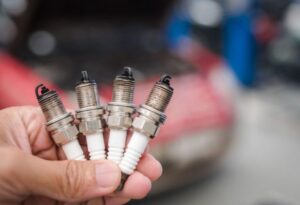
To truly understand why the answer to “are spark plugs universal?” is a firm no, we need to look at the specific characteristics that differentiate them. These aren’t just minor variations; they are critical factors that directly impact your engine’s performance and longevity.
Thread Size and Reach
Imagine trying to screw a light bulb into a socket that’s too big or too small. It simply won’t fit! Spark plugs are no different. They come with various thread diameters (like M10, M12, M14, M18) and different thread reaches (how long the threaded part is). Using a plug with the wrong thread size means it won’t screw into the cylinder head at all. If the reach is too short, the spark tip won’t extend far enough into the combustion chamber, leading to poor ignition. If it’s too long, it can hit the piston or valves, causing catastrophic engine damage. This is arguably the most critical “fit” factor that makes spark plugs far from universal.
Heat Range
This is one of the most misunderstood yet vital aspects. The “heat range” refers to a spark plug’s ability to dissipate heat from the combustion chamber. A “hotter” plug has a longer insulator nose, which stays warmer to burn off deposits, while a “colder” plug has a shorter insulator nose, which transfers heat away faster. Using a plug that’s too hot can lead to pre-ignition and detonation (engine knocking), potentially melting the piston or valves. A plug that’s too cold can cause carbon fouling, leading to misfires and poor performance. Each engine is designed for a specific heat range, making the choice of spark plugs absolutely not universal.
Gap Size
The gap is the distance between the central electrode and the ground electrode. This tiny space determines the intensity and effectiveness of the spark. Modern engines, especially those with computer-controlled ignition systems, require a very precise gap. Too wide, and the spark might not jump consistently, causing misfires. Too narrow, and the spark might be too weak, leading to inefficient combustion. While some plugs can be “gapped” to specification, many modern iridium and platinum plugs come pre-gapped and shouldn’t be adjusted, emphasizing their non-universal nature.
Electrode Material
Spark plugs come with different electrode materials, primarily copper, platinum, and iridium. Each material offers a different balance of conductivity, durability, and cost. Copper is an excellent conductor but wears faster. Platinum offers better longevity. Iridium is the hardest and most durable, allowing for very fine electrodes that provide excellent performance and last the longest. Engine manufacturers specify the material type because it affects ignition characteristics, wear patterns, and the overall longevity of the spark plugs. This choice also contributes to why spark plugs are not universal.
Resistor vs. Non-Resistor
Many modern spark plugs contain a built-in resistor. This resistor helps suppress electrical noise generated by the spark, which can interfere with your vehicle’s sensitive electronic systems, like the radio, navigation, or engine control unit (ECU). Using a non-resistor plug in a vehicle designed for resistor plugs can lead to frustrating electronic interference. Conversely, using a resistor plug where a non-resistor is specified might slightly reduce spark energy in some older, specialized applications, though this is less common now.
Terminal Type
The terminal is the part of the spark plug that connects to the ignition coil or spark plug wire. These can vary in design (e.g., solid nut, removable nut, threaded stud) to match different types of connectors in your vehicle’s ignition system. While often overlooked, having the wrong terminal type means your ignition system won’t connect properly, rendering the spark plug useless. This seemingly small detail further reinforces that spark plugs are far from universal.
The Impact of Using the Wrong Spark Plug
So, what happens if you disregard the specific requirements and try to use a “universal” spark plug that isn’t right for your car? The consequences range from annoying to severely damaging.
Engine Misfires and Poor Performance
This is often the first and most noticeable symptom. If the heat range is wrong, the gap is off, or the spark simply isn’t strong enough, your engine won’t combust fuel efficiently. You’ll experience rough idling, hesitation during acceleration, and a general lack of power. Your “Check Engine” light will likely come on, indicating misfires.
Engine Damage
Using a spark plug that’s too hot can lead to pre-ignition and detonation. This means the fuel-air mixture ignites before the spark plug fires, or it combusts explosively rather than smoothly. Both scenarios put immense stress on internal engine components, potentially causing melted pistons, bent connecting rods, or damaged valves. Similarly, a plug with too long a reach can physically collide with moving parts inside the cylinder, causing instant, severe damage.
Reduced Fuel Economy
An engine that isn’t combusting fuel efficiently is wasting it. Incorrect spark plugs will lead to incomplete combustion, meaning you’re getting fewer miles per gallon. Over time, this adds up to significant extra costs at the pump.
Premature Spark Plug Failure
Even if it doesn’t immediately destroy your engine, the wrong spark plug will wear out much faster than intended. Fouling from a too-cold plug or rapid electrode erosion from an incompatible heat range means you’ll be replacing them much more frequently than the manufacturer’s recommended interval.
Interference with Electronics
As mentioned, using a non-resistor plug when your car needs one can cause static on your radio, glitches in your navigation system, or even disrupt the signals to your engine’s ECU, leading to unpredictable behavior and error codes.
How to Find the Right Spark Plugs for Your Vehicle
Given that spark plugs are not universal, how do you ensure you get the correct ones every time? It’s simpler than you might think!
Consult Your Owner’s Manual
Your vehicle’s owner’s manual is your ultimate guide. It will explicitly state the exact spark plug part number, the required heat range, gap, and often the recommended electrode material for your specific engine. Seriously, this is your best friend when it comes to car parts.
Use Online Parts Finders
Reputable auto parts stores (both online and brick-and-mortar) have “parts finder” tools on their websites. You simply enter your vehicle’s year, make, and model (and sometimes engine type), and it will show you a list of compatible spark plugs. This is a very reliable method.
Check Existing Spark Plugs
If you’re replacing your spark plugs yourself and your owner’s manual isn’t available, you can carefully remove one of your existing spark plugs. The manufacturer’s part number is often stamped directly onto the ceramic insulator. Use this number to cross-reference and find exact replacements. Just be sure the existing ones are indeed the correct ones, especially if you’re not the first owner of the car.
Ask a Trusted Mechanic
If you’re ever in doubt, don’t hesitate to ask a professional. Your mechanic has access to vehicle-specific databases and years of experience to ensure you get the right spark plugs for your car.
Decoding Spark Plug Part Numbers and Markings
When you look at a spark plug, you’ll often see a series of letters and numbers on the ceramic insulator. These aren’t random; they’re a code that specifies the plug’s characteristics. While the coding system varies between manufacturers (NGK, Denso, Bosch, Champion all have their own), they generally contain information about:
- Thread Diameter and Reach: Often indicated by a letter or a number.
- Heat Range: Typically represented by a number, where lower numbers often mean hotter plugs (in some brands) and higher numbers mean colder plugs (in others). This is why direct comparison between brands is difficult.
- Electrode Material and Design: Letters often denote features like platinum, iridium, multiple ground electrodes, or specific gap designs.
- Resistor Type: A specific letter might indicate a resistor plug.
For example, an NGK spark plug part number like “BKR6E-11” might break down as: B (thread diameter), K (projected tip, resistor type), R (resistor), 6 (heat range), E (thread reach), -11 (gap size 1.1mm). Understanding these codes can give you a deeper appreciation for why spark plugs are far from universal and how precisely they are designed for specific applications.
| Material | Pros | Cons | Typical Lifespan |
|---|---|---|---|
| Copper | Excellent conductor, low cost. | Shortest lifespan, wears faster. | ~20,000-30,000 miles |
| Platinum | Longer lifespan than copper, good performance. | More expensive, not as conductive as copper. | ~60,000-80,000 miles |
| Iridium | Longest lifespan, excellent performance, very fine electrode. | Most expensive. | ~100,000+ miles |
Maintenance Tips and When to Replace Your Spark Plugs
Knowing that spark plugs are not universal is half the battle; the other half is knowing when to replace them and how to maintain them properly. Regular maintenance is key to getting the most out of your correctly chosen spark plugs.
When to Check/Replace
Always follow your vehicle manufacturer’s recommended service intervals outlined in your owner’s manual. These can vary significantly, from as little as 30,000 miles for older copper plugs to over 100,000 miles for modern iridium spark plugs. Don’t wait for your engine to start misfiring; preventive maintenance saves you money and trouble in the long run.
Signs of Worn Spark Plugs
Even if you’re keeping up with maintenance, it’s good to recognize the signs that your spark plugs might be failing: poor fuel economy, rough idling, difficulty starting your engine, engine misfires (often felt as a stutter or hesitation), and reduced acceleration.
Importance of Proper Gapping
While many modern platinum and iridium spark plugs come pre-gapped and should not be adjusted, some copper or older applications still require precise gapping. If you’re using plugs that need gapping, use a proper gapping tool and follow your manual’s specifications. Incorrect gapping can negate all the benefits of choosing the right spark plugs.
So, the next time someone asks, “Are spark plugs universal?” you’ll be armed with the real answer and a wealth of knowledge to back it up!
In conclusion, the answer to the burning question, “are spark plugs universal?” is a definitive and unequivocal no. While they all perform the same essential function, the intricate differences in their design—thread size, heat range, gap, material, resistor type, and terminal—make them highly specific to individual engine requirements. Choosing the right spark plugs isn’t just about ensuring your car starts; it’s about optimizing performance, fuel efficiency, and preventing potentially severe engine damage.
Treat your spark plugs with the respect they deserve as precision-engineered components. Always consult your owner’s manual or a trusted resource to find the exact spark plugs specified for your vehicle. By doing so, you’ll be making a smart choice that contributes significantly to the health and longevity of your engine, keeping you happily on the road for miles to come. Don’t fall for the universal spark plug myth; your engine will thank you for it!
Frequently Asked Questions
Are spark plugs truly universal, or do they vary by vehicle?
No, spark plugs are definitely not universal. They are highly specific components designed to match the unique requirements of different engine types, brands, and models. Using the wrong spark plug can lead to various performance issues and even engine damage.
What are the main differences between spark plugs that prevent them from being universal?
Spark plugs vary significantly in their thread size, reach (length of the threaded portion), heat range, electrode material, and gap. These specifications are critical for proper combustion and engine operation, meaning a “one-size-fits-all” approach is impossible across all vehicles.
Can I just pick up any spark plug at an auto parts store and expect it to work in my car?
No, you cannot. While many spark plugs might look similar, their internal specifications are vastly different and crucial for proper engine function. Always consult your vehicle’s owner’s manual or an auto parts store’s catalog to find the exact spark plug recommended for your specific make, model, and year.
What happens if I use the wrong spark plug in my engine?
Using the wrong spark plug can lead to a range of problems, from misfires, reduced fuel efficiency, and poor engine performance to more serious issues like pre-ignition, detonation, or even engine damage. It’s crucial to install the correct type for optimal and safe operation.
How do I find the correct spark plugs for my specific vehicle?
The best way to find the correct spark plugs is to refer to your vehicle’s owner’s manual, which lists the exact specifications. Alternatively, you can provide your car’s make, model, and year to a reputable auto parts store or use online parts finders that cross-reference this information to ensure you get the right fit and heat range.
Are there different types of spark plugs, beyond just basic fitment?
Yes, beyond the basic fitment and heat range, spark plugs come with different electrode materials (e.g., copper, platinum, iridium) and designs that can influence performance, longevity, and fuel efficiency. However, even these variations must still adhere to the fundamental fitment and heat range requirements for your specific engine.