Yes, a severely clogged fuel filter is a very common culprit behind a no-start condition. This critical blockage starves the engine of vital fuel, preventing ignition despite repeated cranking. Addressing a restricted fuel filter promptly is essential to restore proper engine operation.
Can a Clogged Fuel Filter Cause No Start Trouble?
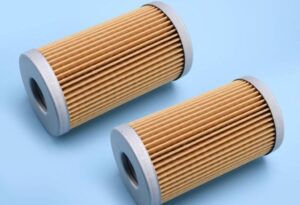
Oh, absolutely, my friend! It’s a sneaky problem. Your engine might just crank and crank without ever catching. If you’re asking, “can a clogged fuel filter cause no start trouble?” the answer is a resounding yes. It often does.
Think of drinking a thick milkshake through a tiny, blocked straw. That’s your car’s engine with a clogged fuel filter. Engines need a steady, clean fuel supply. If that supply chokes, it simply won’t start. Many folks overlook this common issue, but it’s crucial for your car’s health.
So, Can a Clogged Fuel Filter Cause No Start Trouble, and What Should I Know About It?
Yes, without a doubt, a clogged fuel filter can cause no start trouble. It’s a more common culprit than you might imagine! I’ve seen this happen with friends’ cars, and even my own. You turn the key, the engine whirs, but it won’t ignite. It feels like it wants to, but there’s no spark of life. This is often a clear sign your engine isn’t getting the fuel it needs.
Here’s why a clogged fuel filter can cause no start trouble:
- Choked Fuel Flow: Your car’s fuel pump sends gasoline to the engine. The fuel filter catches dirt, rust, and debris. This keeps it from sensitive fuel injectors. Over time, that gunk builds up, blocking the filter. When severely clogged, fuel can’t pass at the right pressure or volume.
- Insufficient Fuel Pressure: Modern engines need precise fuel pressure. If the filter is clogged, the pump struggles. Fuel pressure at the engine becomes very low or zero. Without enough pressure, injectors can’t spray fuel effectively. No fuel spray means no combustion, and definitely no start!
- Prior Warnings: A complete “no start” isn’t always first. You might notice sputtering. Your car could hesitate during acceleration. It might feel sluggish. It could even stall at low speeds. These are early warnings. Eventually, a full no-start happens. The engine just cranks.
I remember my buddy’s old sedan acting up. He complained his car felt weak on the highway. Then, one morning, it refused to start. He thought battery or starter. We checked them; they were fine. Remembering that a clogged fuel filter can cause no start trouble, we checked the fuel filter. When we removed it, fuel barely trickled out. It was packed with grime! After a quick replacement, his car started right up. It ran smoother than ever.
What to do if you suspect a clogged fuel filter is causing your no-start issue:
- Listen for the Fuel Pump: Turn the key to “on” (before cranking). Listen for a low hum from the car’s rear. That’s the fuel pump priming. Hearing it suggests the pump works, but doesn’t rule out a clogged filter.
- Check Fuel Pressure: If you’re comfortable, use a fuel pressure gauge. Check pressure at the fuel rail. Low or no pressure is a strong hint.
- Inspect the Filter: Some filters are easy to access. A visual check might not show everything. But if it looks old and neglected, consider replacing it.
- Get Professional Help: Not comfortable doing it yourself? Take it to a trusted mechanic. It’s usually a straightforward, inexpensive repair. Especially compared to other no-start problems.
Preventing this trouble is easy. Just follow your car’s maintenance schedule. Fuel filters wear out; they aren’t permanent. Regular replacement helps prevent a clogged fuel filter causing no start trouble. It keeps your engine happy. Usually, replace it every 15,000 to 30,000 miles. Check your car’s manual. It’s a small investment for peace of mind and reliable starts!
So, next time your car cranks but won’t start, don’t forget to consider a potentially clogged fuel filter. It’s a surprisingly common reason for that frustrating no-start condition. Often, a fresh filter is all it takes to get you back on the road. Keep those filters clean, folks!