The honest truth about cleaning a fuel filter is that it’s overwhelmingly not recommended and often ineffective. Attempting to clean these crucial components can damage the delicate filtration media, release trapped contaminants back into your fuel system, and ultimately compromise your engine’s protection. For guaranteed performance and vehicle longevity, replacing a clogged fuel filter with a new one is always the safest and most reliable solution.
Can a Fuel Filter Be Cleaned The Honest Truth Revealed
Have you ever looked at your vehicle’s maintenance schedule and thought, “Can a fuel filter be cleaned instead of replaced?” It’s a common thought, especially when you’re looking to save a few dollars. We’ve all been there, wondering if a quick DIY fix can get the job done. Well, let’s cut straight to it: for the vast majority of modern vehicles, and in almost all practical scenarios, attempting to clean a fuel filter is not recommended and rarely effective. In fact, it can often cause more harm than good.
Trying to clean a fuel filter isn’t just about getting dirt out; it’s about maintaining a delicate balance within your car’s fuel system. Think of it like a coffee filter – once it’s full of grounds, you don’t really clean it to reuse it, right? The same principle, with much higher stakes, applies here. Let’s dive into why.
The Big Question: Can a Fuel Filter Be Cleaned, and Should You Even Try?
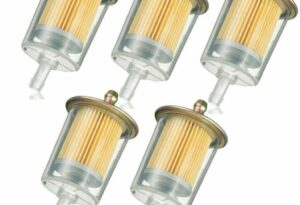
The short and honest answer is: No, you generally cannot effectively or safely clean a fuel filter, and you absolutely should not try. I know it sounds tempting to think you can just flush out the gunk and get it working like new. After all, isn’t it just a filter? But there’s a lot more to it, and understanding why will save you headaches and potentially costly repairs down the road.
Fuel filters are specifically designed to trap incredibly tiny particles, sometimes as small as a few microns. These particles, like rust, dirt, and debris, come from your fuel tank or the fuel itself. Inside the filter housing, you’ll find pleated paper, synthetic membranes, or a mesh material packed very tightly. This design is crucial for catching contaminants and preventing them from reaching your engine’s delicate fuel injectors and other components. When these tiny pores get clogged, the filter’s job is done.
Trying to clean a fuel filter typically involves using compressed air, harsh chemicals, or even back-flushing with fuel. Here’s why these methods fall short and are risky:
- Damage to Filter Media: The delicate filter material isn’t meant to withstand high-pressure air or strong solvents. You could easily tear the pleats or break down the material, creating microscopic holes. This means the “cleaned” filter would no longer effectively filter fuel, sending dirty fuel straight to your engine. Imagine tiny bits of filter material also getting into your fuel system!
- Incomplete Cleaning: The embedded contaminants are often trapped deep within the filter’s structure. You might get some surface gunk out, but the microscopic particles that truly restrict fuel flow will remain. So, even if it looks cleaner, its filtration capacity is severely compromised.
- Safety Hazards: We’re dealing with highly flammable fuel. Using solvents, open flames (which you should never do!), or even just releasing fuel vapors in an enclosed space is incredibly dangerous. It’s simply not worth the risk to your health or property.
- Introducing New Contaminants: When you attempt to clean a fuel filter, you risk introducing new dirt, dust, or moisture into the fuel system. This completely defeats the purpose of having a filter in the first place.
I remember a friend who tried to clean an old inline fuel filter on his classic car. He thought he was being clever, blowing compressed air through it. A few weeks later, his car started sputtering badly. Turns out, the “cleaned” filter had let a bunch of debris pass through, clogging his carburetor. He ended up spending more on carb cleaning and a new filter than he would have if he’d just replaced the fuel filter to begin with. It was a harsh, but valuable, lesson in proper vehicle maintenance.
So, what’s the wise approach when your vehicle shows signs of a clogged fuel filter – like rough idling, poor acceleration, or difficulty starting? The best, safest, and most effective solution is always replacement. Fuel filters are generally affordable parts, and replacing one is a straightforward task for most mechanics, and often a manageable DIY project with the right tools and safety precautions. A new fuel filter ensures optimal engine performance, protects your fuel injectors, and keeps your entire fuel system running smoothly and efficiently. It’s a small investment for peace of mind and long-term vehicle health.
In my own experience, I always stick to the manufacturer’s recommended service intervals for fuel filter replacement. It’s a non-negotiable part of my vehicle maintenance routine. Skipping it or trying a shortcut like attempting to clean a fuel filter just isn’t worth the potential damage to crucial and expensive engine components. Treat your fuel system right, and it will treat you right back.
Conclusion
So, can a fuel filter be cleaned? While the idea might initially seem appealing for cost-saving, the reality is that cleaning a fuel filter is ineffective, potentially damaging to your vehicle, and can even be dangerous. For reliable engine performance and to protect your fuel system, always opt for a new, high-quality fuel filter when maintenance calls for it. It’s one of those parts where replacing it truly is the only honest and smart choice.