Yes, bad spark plugs can absolutely prevent your car from starting! As a critical component of your ignition system, they are responsible for creating the spark needed to ignite the fuel-air mixture. Without this essential spark, your engine simply won’t be able to achieve combustion, making faulty plugs a common and often overlooked cause of a no-start condition.
Could Bad Spark Plugs Cause Your Car Not To Start? Answered
Ever found yourself in that frustrating spot? Your car just won’t start, and you’re left scratching your head, wondering what could be wrong. You might be thinking, could bad spark plugs cause your car not to start? The short answer is a resounding yes, they absolutely can! It’s a super common reason your engine might refuse to crank up, leaving you feeling a bit stranded.
Think of your spark plugs as tiny but mighty igniters. They’re crucial for getting your engine’s party started. If they’re not doing their job right, your car’s engine simply won’t have the “spark” it needs to begin the combustion process. Let’s dive into why these little parts are so important and how they can bring your car to a halt.
Can Bad Spark Plugs Cause Your Car Not To Start?
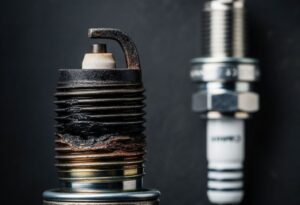
Yes, absolutely! Bad spark plugs are a very common culprit when your car won’t start. Here’s why and how they can leave you stuck, along with some real-world insights.
What Spark Plugs Do: The “Spark” in Spark Plugs
In a nutshell, spark plugs create the electrical spark that ignites the air-fuel mixture in your engine’s cylinders. This ignition is what powers your car. Without a strong, timely spark, that mixture just sits there. No explosion, no power, no start.
How Bad Spark Plugs Stop Your Car From Starting
When spark plugs go bad, they can cause a no-start situation in several ways:
- No Spark At All: This is the most direct cause. Over time, the electrodes on a spark plug wear down. They get gunked up with carbon, oil, or fuel deposits. This buildup can create a barrier, preventing electricity from jumping the gap. If there’s no spark, the fuel won’t ignite. Simple as that. I remember a time my old sedan just cranked and cranked, but never caught. Turns out, a few of the plugs were completely fouled.
- Weak or Inconsistent Spark: Even if there is a spark, it might not be strong enough. A weak spark can’t properly ignite the air-fuel mixture, especially in cold weather. This often leads to the engine “coughing” or “sputtering” but never fully starting. It’s like trying to start a campfire with a damp match; you get a little fizzle, but no flame.
- Engine Flooding: If your engine is trying to start but the spark plugs aren’t igniting the fuel, that fuel can build up in the cylinders. This is called “flooding” the engine. When the cylinders are flooded, it becomes even harder for a weak spark (or any spark) to ignite anything. You might even smell a strong gasoline odor if this happens. My neighbor once called me over because his car wouldn’t start and the garage smelled like a gas station – definite sign of flooding from bad plugs!
- Misfires: While not always a “no-start” symptom, plugs that are on their way out can cause misfires. These are instances where a cylinder doesn’t ignite properly. If enough cylinders are misfiring, the engine might not have enough momentum to actually start.
What Else Could It Be? (Quick Check)
It’s important to remember that while bad spark plugs can cause your car not to start, they’re not the only possible issue. A dead battery, a faulty starter, or a problem with your fuel pump can also prevent your car from turning over. My mechanic friend always advises checking the simplest things first: “Is your battery good? Does the engine crank or just click?” If it cranks but doesn’t start, then spark plugs are definitely high on the suspect list.
Practical Tips for You:
- Listen to Your Car: Does it crank strongly but just won’t catch? That’s a good indicator to look at ignition components like spark plugs.
- Visual Inspection (If You’re Brave): If you’re comfortable and know what you’re doing, you can carefully remove one spark plug and look at it. Is it black and sooty? Oily? White and crusty? These are signs of issues. Just be sure to put it back exactly as it came out!
- Follow Maintenance Schedules: Most car manufacturers recommend replacing spark plugs every 30,000 to 100,000 miles, depending on the type of plug (copper, platinum, iridium). Sticking to this schedule can prevent a lot of headaches.
So, while a no-start situation can feel daunting, remember that bad spark plugs can indeed cause your car not to start. They’re a vital part of your engine’s ignition system. Keeping an eye on them and replacing them when needed can save you a lot of headache and frustration. A little proactive care goes a long way in keeping your car reliable. Happy driving!