Yes, faulty spark plugs can absolutely trigger your check engine light (CEL). When worn or damaged, they cause engine misfires, which the vehicle’s onboard diagnostic system detects and reports. Ignoring a CEL due to spark plug issues can lead to poor performance, decreased fuel efficiency, and potentially more costly engine damage down the line, highlighting the importance of timely diagnosis.
Can Spark Plugs Cause Check Engine Light? The Truth Revealed
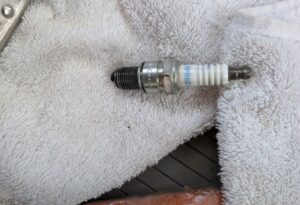
Hey there! Ever been driving along, minding your own business, and *BAM* – that dreaded check engine light flashes on? It’s like your car’s way of saying, “Houston, we have a problem!” If you’re wondering, “Can spark plugs cause check engine light?” – the quick and honest answer is a resounding *yes*. Faulty spark plugs are actually a super common culprit behind that annoying warning light.
It’s not just a minor annoyance, either. When your check engine light comes on because of spark plugs, it’s often a sign that your engine isn’t running as smoothly or efficiently as it should. Let’s dive a little deeper into how these small but mighty components can throw your whole system into a tizzy.
So, how exactly can spark plugs cause the check engine light to come on, and what should I look for?
Absolutely, it’s a great question, and understanding it can save you a lot of headache (and money!). Essentially, your spark plugs are tiny electrical components that create a spark to ignite the air-fuel mixture in your engine’s cylinders. When they don’t do their job right, your engine experiences a “misfire.” And guess what? Misfires are a prime reason the check engine light flickers on.
Think about it like this: I once had a car that started feeling really sluggish, especially when I tried to accelerate up a hill. It felt like it was hesitating, almost coughing. Sure enough, a day or two later, the check engine light came on. I scanned the code, and it pointed straight to a misfire. Turns out, it was just old spark plugs.
Here’s a breakdown of what happens and what you might notice if bad spark plugs are the issue:
- Engine Misfires: This is the main event. If a spark plug is worn out, dirty, or damaged, it can’t create a strong enough spark (or any spark at all!). When this happens, the fuel in that cylinder doesn’t burn properly, causing a misfire. Your car’s computer, the Engine Control Unit (ECU), detects this misfire and, as a warning, turns on the check engine light.
- Rough Idling: Ever sat at a stoplight and felt your car shake a little more than usual? That’s often a sign of spark plugs causing trouble. When the engine isn’t firing smoothly, it can idle roughly.
- Reduced Fuel Economy: If your spark plugs aren’t igniting fuel efficiently, your engine has to work harder to produce power. This means it’s burning more fuel for the same distance, costing you extra at the pump. I definitely noticed my gas mileage dropping when my plugs were going out.
- Difficulty Starting: A weak spark can make it tough for your engine to kick over, especially on cold mornings. It might crank for a long time before finally catching.
- Lack of Power: If your engine isn’t getting proper combustion, it won’t produce its full power. You’ll feel it when accelerating, going uphill, or trying to pass another car. It’s that feeling of your car just not having its usual “oomph.”
- OBD-II Codes: When your check engine light comes on, it’s usually accompanied by a specific diagnostic trouble code. For spark plug related misfires, you’ll often see codes like P0301, P0302, P0303, etc. (the last digit indicates which cylinder is misfiring). Getting the code read is always the first step.
So, what should you do? My first piece of advice is always: *don’t panic, but don’t ignore it either.* A check engine light related to spark plugs is generally not an immediate roadside emergency, but driving too long with misfires can damage other expensive components, like your catalytic converter.
Practical Tips from Personal Experience:
* Scan the Code: Most auto parts stores will scan your car’s computer for free. Get that code! It gives you a huge clue.
* Check Your Maintenance Schedule: Spark plugs have a lifespan (usually 30,000 to 100,000 miles, depending on the type). If you can’t remember the last time they were changed, they might be due. I always keep my service records handy, it’s a lifesaver.
* Consider DIY (with Caution!): Changing spark plugs can be a DIY job for some, but if you’re not comfortable, or if your engine has tricky access, definitely take it to a trusted mechanic. I’ve done it myself on simpler engines, but I always consult my car’s manual and watch a few trustworthy videos first. Sometimes, it’s not just the plugs, but also the ignition coils or spark plug wires that need attention.
* Listen to Your Car: Those subtle shakes, hesitations, or changes in sound are your car trying to tell you something. When my car started idling rough, I knew it wasn’t just my imagination.
In short, yes, bad spark plugs can absolutely cause your check engine light to illuminate, typically by causing engine misfires. It’s a common issue, and thankfully, often a relatively straightforward fix if caught early. Addressing it promptly will help your car run better and prevent more serious (and costly!) problems down the road. Keep those plugs healthy, and your engine will thank you!