Absolutely, spark plugs are a primary culprit behind engine misfires. Worn, fouled, or improperly gapped spark plugs disrupt the ignition process, preventing the air-fuel mixture from combusting efficiently. Recognizing these symptoms and replacing faulty plugs is crucial for restoring engine performance and fuel economy.
Ever been cruising along, feeling good, and then your car suddenly starts to feel… well, not so good? Maybe it’s a little shaky at idle, hesitates when you accelerate, or just doesn’t have its usual get-up-and-go. It’s a frustrating experience, and often, one of the first components to suspect is something relatively small but absolutely vital: your spark plugs.
So, to cut straight to the chase and answer your burning question: Yes, absolutely, spark plugs can and very often do cause misfires. They’re the tiny little heroes responsible for igniting the fuel-air mixture in your engine’s cylinders, creating the controlled explosions that power your car. When they can’t do their job properly, that’s when you start feeling those unmistakable signs of a misfire.
Can Spark Plugs Cause Misfire, and What’s Going On When They Do?
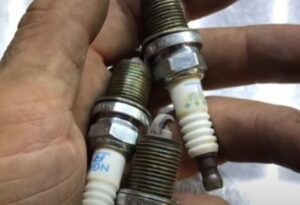
You bet they can! Think of your engine as a team of synchronized dancers. Each cylinder needs its fuel, air, and a perfectly timed spark to do its part. When a spark plug fails, it’s like one of those dancers missing a step, throwing off the whole routine. That’s a misfire in a nutshell.
Here’s what typically happens when spark plugs cause misfire:
- Worn-Out Electrodes: Just like anything that works hard, spark plugs wear down over time. The tip that creates the spark can erode, making the gap too wide or the spark itself too weak to reliably ignite the fuel. I remember my old sedan started to feel sluggish, and when I pulled the plugs, the electrodes looked like tiny, worn-down nubs. They were way past their prime!
- Carbon Buildup: Over time, carbon deposits can accumulate on the spark plug tips. These deposits can act like an insulator, preventing the spark from reaching the fuel mixture effectively. Sometimes, they even create alternative, weaker paths for the spark, leading to inconsistent ignition. This is a common culprit if you do a lot of short trips.
- Fouling (Oil or Fuel): If oil or unburnt fuel gets onto the spark plug tip, it “fouls” the plug. Oil fouling often points to other engine issues like worn piston rings, while fuel fouling can mean a rich fuel mixture. Either way, a fouled plug can’t spark correctly, causing a misfire. I once had a small oil leak that, left unchecked, started fouling a plug, leading to a noticeable stumble on acceleration.
- Incorrect Gap: Spark plugs come with a specific gap between the electrodes. If this gap is too wide or too narrow (either from manufacturing error, dropping the plug, or wear), it can affect the strength and reliability of the spark. A spark that’s too weak or too strong won’t ignite the mixture efficiently.
- Cracked Insulator: The ceramic part of a spark plug insulates the high voltage. If this insulator cracks (which can happen if a plug is overtightened or dropped), the spark can “escape” through the crack instead of jumping the gap to ignite the fuel. No spark, no combustion, just a misfire.
- Wrong Heat Range: Believe it or not, spark plugs are designed for different “heat ranges.” Using a plug that’s too hot can lead to overheating and premature wear, while one that’s too cold might not burn off deposits effectively, leading to fouling. Both scenarios can make spark plugs cause misfire.
When any of these issues occur, your engine’s combustion isn’t happening smoothly or completely. You’ll likely feel a distinct shudder, especially at idle, a loss of power, reduced fuel economy, and that dreaded check engine light might just pop on, signaling a misfire code. It’s your car’s way of saying, “Hey, something’s wrong with the ignition!”
My advice? Don’t ignore these signs. When my car started acting up, I initially put it off, but the misfire got worse and started affecting my fuel efficiency significantly. A simple inspection of my old plugs confirmed they were worn out. Replacing them was a straightforward fix that instantly brought back the smooth idle and power I’d been missing. It felt like driving a new car!
Checking your spark plugs regularly, or at least following your car manufacturer’s recommended maintenance schedule, is one of the easiest and most cost-effective ways to prevent misfires and keep your engine running smoothly. If you’re not comfortable doing it yourself, a trusted mechanic can quickly diagnose and resolve the issue.
Ultimately, spark plugs are small components with a huge job. When they’re not performing at their best, you’ll feel it directly in your car’s performance. Keeping an eye on them and replacing them when needed will ensure your engine continues to run efficiently, saving you headaches and money down the road. It’s a simple step that makes a world of difference!