While often discouraged in favor of replacement for optimal engine performance, cleaning spark plugs can be done under specific circumstances if proper techniques are followed. Discover the right way to clean them effectively and safely, avoiding potential damage and ensuring your engine maintains peak efficiency. Learning the precise steps is crucial for success.
Hey there, fellow car enthusiast! Have you ever found your beloved vehicle struggling a bit? Maybe it’s a rough idle, a little less pep in its step, or that nagging check engine light just won’t quit. When these issues pop up, our minds often race through potential causes, and sometimes, a small but mighty component comes to mind: the spark plug.
You might look at a dirty spark plug and think, “Aha! A quick clean, and we’re good to go!” It’s a common thought, fueled by a desire to save a few bucks and get things running smoothly again without a full replacement. But here’s the million-dollar question that many DIY mechanics and car owners ponder: can you clean spark plugs effectively, or is it just a temporary fix?
It’s a really good question, and one that doesn’t have a simple ‘yes’ or ‘no’ answer. Like many things in car maintenance, there’s a nuanced truth hiding beneath the surface. In this post, we’re going to dive deep into the world of spark plugs, explore the desire to clean them, and ultimately discover the right way to approach this common maintenance dilemma. Let’s get started!
Key Takeaways
- Replace, Don’t Just Clean: Spark plugs are inexpensive; replacement ensures optimal performance.
- Cleaning is Temporary: Only clean for a short-term fix, never a permanent solution.
- Use Proper Tools: Gently clean with a wire brush and dedicated spark plug cleaner.
- Avoid Harsh Chemicals: Never use abrasive materials or strong solvents that damage electrodes.
- Always Re-gap Cleaned Plugs: Adjust the gap to manufacturer specifications after any cleaning.
- Inspect for Damage: Look for cracks, wear, or severe corrosion; replace immediately if found.
- Preventative Care Wins: Regular inspection and timely replacement avoid cleaning hassles entirely.
📑 Table of Contents
Understanding Spark Plugs and Their Role
Before we talk about whether you can you clean spark plugs, let’s quickly recap what these little heroes do. They’re essential for your engine’s operation, and understanding their function helps us appreciate why keeping them in tip-top shape is so important.
What Do Spark Plugs Actually Do?
Think of spark plugs as the igniters of your engine. When you turn the key, they create a tiny, precisely timed electrical spark. This spark ignites the air-fuel mixture in each cylinder, causing a controlled explosion that pushes the piston down. This motion is what ultimately powers your car. Without a strong, consistent spark, your engine can’t run efficiently, or sometimes, not at all.
Why Do Spark Plugs Get Dirty?
Over time and many, many sparks, spark plugs naturally accumulate deposits. This buildup is usually carbon, a byproduct of combustion. Other contaminants like oil or fuel additives can also stick to the electrodes. These deposits can interfere with the spark, making it weaker or even causing it to misfire. When you pull out a plug and see it covered in gunk, it’s natural to wonder, “can you clean spark plugs and bring them back to life?”
The Allure of Cleaning: Why People Consider It
Let’s be honest, we all love a good hack, especially when it comes to saving money. The idea that you can you clean spark plugs instead of buying new ones is very appealing. Here’s why many car owners consider reaching for a wire brush instead of a new set.
Cost Savings vs. Replacement
A new set of spark plugs isn’t usually a bank-breaker, but it’s still a cost. If you’re on a tight budget, the thought of simply cleaning the existing ones seems like an intelligent way to save a few dollars. Why buy something new if you can fix the old one, right?
“Just a Little Carbon” – Perceived Minor Issue
Often, when people see a spark plug that’s merely a bit sooty, they assume it’s just superficial dirt. It looks like something that can be easily scrubbed off. This perception leads many to believe that cleaning spark plugs is a straightforward, effective solution for minor performance issues, rather than a sign of deeper wear or problems.
The “Right Way” to Attempt Cleaning (with Strong Caveats)
So, to answer the question directly: can you clean spark plugs? Technically, yes, you can clean spark plugs. However, it’s crucial to understand that this isn’t always the best or most effective solution. It’s often a temporary fix for very mild cases and comes with significant caveats. If you absolutely feel compelled to try, here’s the “right way” to attempt it, alongside important warnings.
Inspection First: Is Cleaning Even Viable?
Before you even think about cleaning, a thorough inspection is paramount.
- Look for cracks in the porcelain insulator. If you see any, stop. Cleaning won’t help, and a cracked plug can cause serious engine damage.
- Check the electrodes for heavy wear, pitting, or corrosion. If they look significantly worn down or corroded, cleaning is pointless; the plug is past its prime.
- Mild, light carbon fouling is the only scenario where cleaning might offer a very short-term, slight improvement.
Step-by-Step Cleaning Process (for Mild Cases ONLY)
If your inspection reveals only light carbon buildup and no damage, and you understand this is a temporary measure, here’s how you could proceed:
- Gather Your Tools: You’ll need a spark plug socket, a wire brush (a soft brass brush is often recommended to prevent damage), carburetor cleaner, compressed air, and a spark plug gapping tool.
- Remove the Plugs Carefully: Label the wires or coils as you remove them to ensure they go back on the correct cylinder. Twist, don’t pull, the boot to avoid damage.
- Apply Cleaner: Spray a small amount of carburetor cleaner onto the carbon buildup. Let it sit for a few minutes to loosen the deposits.
- Gentle Brushing: Use the wire brush to gently scrub away the carbon. Be extremely careful not to damage the center electrode, the side electrode, or the porcelain insulator. Aggressive scrubbing can chip the insulator or bend the electrodes.
- Rinse and Dry: You can rinse them briefly with more cleaner (or brake cleaner), then use compressed air to thoroughly dry them and blow out any loosened debris. Make sure they are completely dry before reinstalling.
- Re-gap (if necessary, with caution): Check the gap with a gapping tool against your car’s specifications. If you need to adjust, do so very carefully, using the gapping tool, not pliers, to avoid damaging the electrodes.
Again, this process is only for plugs with very light, surface-level fouling. For anything more serious, the answer to can you clean spark plugs effectively becomes a resounding “no.”
The Risks and Downsides of Cleaning Spark Plugs
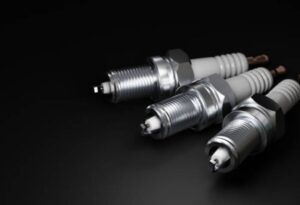
While technically you can you clean spark plugs, the practice often comes with significant risks and downsides that usually outweigh any perceived benefits. It’s important to be aware of these before you even consider trying.
Incomplete Cleaning
You might clean the visible carbon off the electrodes, but often, tiny carbon particles remain lodged in microscopic pores or crevices. These hidden deposits can still interfere with the spark, leading to inconsistent performance, misfires, or reduced fuel efficiency. The plug might look clean on the outside, but still perform poorly.
Damaging Electrodes or Insulator
This is perhaps the biggest risk. Modern spark plugs, especially platinum or iridium types, have very delicate electrodes and ceramic insulators. Using a harsh wire brush, too much force, or incorrect cleaners can easily:
- Scratch or chip the porcelain insulator, creating a path for the spark to bypass the electrodes, leading to a misfire.
- Bend or damage the delicate center or ground electrode, altering the spark gap or causing premature wear.
- Remove the precious metal coating (platinum, iridium), which drastically shortens the plug’s lifespan and performance.
Once damaged, the plug is effectively useless, and you’ve wasted your time and potentially caused more problems.
Incorrect Gapping
Even if you manage to clean a plug without damage, getting the gap precisely right is crucial. An incorrect gap, whether too wide or too narrow, can lead to:
- Engine misfires
- Reduced power
- Poor fuel economy
- Increased emissions
- Damage to other ignition components over time.
It’s a very fine line, and an old, cleaned plug is more susceptible to gap issues than a brand-new one.
Short-Term Fix
Cleaning spark plugs rarely addresses the root cause of the fouling. If your plugs are getting dirty quickly, there’s usually an underlying engine issue (e.g., oil burning, running too rich/lean, clogged air filter, worn valve guides). Simply cleaning the plugs means the problem will likely return very quickly, and you’ll be back to square one, or worse, with potentially damaged plugs.
When Replacement is the Smarter Choice
Given the risks and temporary nature of cleaning, the answer to “can you clean spark plugs effectively for long-term reliability?” is almost always “no.” In the vast majority of cases, replacing your spark plugs is the overwhelmingly smarter choice. Here’s why:
Modern Spark Plug Design and Materials
Today’s spark plugs are not like those of decades past. Many are designed for extended life (up to 100,000 miles or more) using precious metals like platinum and iridium. These materials are incredibly durable but also very delicate. Cleaning them, especially with abrasive methods, can strip away these coatings, defeating their purpose and drastically reducing their lifespan. They are designed to be replaced, not cleaned.
Cost-Benefit Analysis
While a new set of spark plugs isn’t free, consider the overall cost. The time and effort to carefully remove, clean, dry, re-gap, and reinstall old plugs, only for them to potentially fail prematurely or cause other issues, often far outweigh the cost of a new set. New plugs offer guaranteed performance and peace of mind for many miles to come, making them a much better investment in the long run.
Think about it this way:
- Cleaning Spark Plugs:
- Pros: Potentially zero immediate cost (if you have tools/cleaner), temporary fix for very mild cases.
- Cons: High risk of damage, ineffective for heavy fouling, very temporary solution, doesn’t fix underlying issues, potential for engine problems from incorrect gapping or damage.
- Replacing Spark Plugs:
- Pros: Guaranteed optimal performance, improved fuel efficiency, smoother idle, extended engine life, peace of mind, fixes underlying performance issues related to old plugs.
- Cons: Initial cost for new plugs.
Performance and Fuel Efficiency
New spark plugs deliver a strong, consistent spark, which translates directly into optimal engine performance and better fuel efficiency. Old, even “cleaned” plugs, cannot match the precise spark delivery of a brand-new component. If you’re looking to restore your car’s pep and save money at the pump, new plugs are key.
Addressing Underlying Issues
If your spark plugs are heavily fouled, it’s often a symptom of another problem, such as an oil leak, a rich fuel mixture, or engine wear. Simply cleaning the plugs doesn’t address these issues. Replacing them gives you a clean slate and allows you to better diagnose and fix the root cause, which is critical for your engine’s long-term health.
Conclusion
So, can you clean spark plugs? In the strictest sense, yes, you can attempt to clean a very mildly fouled spark plug. However, the more important question is: should you clean spark plugs, and is it a worthwhile endeavor? For the vast majority of situations and for the sake of your engine’s long-term health and performance, the answer is a resounding no.
Modern spark plugs are precision-engineered components designed for replacement, not refurbishment. The risks of damage, incomplete cleaning, and the temporary nature of the fix almost always outweigh any perceived cost savings. Instead of trying to clean spark plugs, invest in a new set when your vehicle’s maintenance schedule calls for it, or when you notice signs of worn plugs. It’s a small investment that pays big dividends in performance, fuel economy, and engine longevity.
Prioritizing proper maintenance, including timely spark plug replacement, is one of the best ways to ensure your car runs smoothly and reliably for years to come. Your engine (and your wallet, in the long run!) will thank you!
Frequently Asked Questions
Can you clean spark plugs effectively, or is replacement always better?
While you can technically clean spark plugs to remove carbon buildup, it’s generally not recommended as a long-term solution. Modern spark plugs are designed to be replaced rather than cleaned for optimal performance, reliability, and longevity of your engine.
What are the potential benefits of cleaning spark plugs?
Temporarily, cleaning spark plugs might restore some lost engine performance by removing carbon deposits that interfere with the spark. It could potentially improve fuel efficiency and reduce misfires for a short period, but these benefits are usually minimal and short-lived compared to replacement.
How do you properly clean spark plugs if you choose to do so?
To clean spark plugs, you’ll typically use a wire brush or specialized spark plug cleaning tool to gently remove carbon buildup from the electrode and insulator. It’s crucial to avoid bending the electrode or damaging the delicate ceramic insulator during the process, as this can cause further engine problems.
Are there any risks or downsides to cleaning spark plugs?
Yes, there are risks. Improper cleaning can damage the delicate ceramic insulator or bend the electrode gap, leading to engine misfires, poor performance, or even more serious issues. Furthermore, cleaning doesn’t address internal wear and tear, meaning the spark plug’s performance will still be compromised.
When should I consider cleaning spark plugs versus just replacing them?
Generally, you should almost always replace spark plugs rather than clean them, especially if they are past their recommended service interval. Cleaning might only be considered as a very temporary measure in an emergency if new plugs aren’t immediately available, but it is not a substitute for proper replacement.
Will cleaning spark plugs significantly extend their lifespan?
No, cleaning spark plugs will not significantly extend their overall lifespan. The wear and tear on the electrode and internal components continue regardless of external cleaning. Replacement is the only way to ensure your engine has fresh, reliable ignition components for optimal performance and fuel efficiency.