Driving with bad spark plugs is a significant risk, severely impacting your vehicle’s performance and potentially leading to costly damage. Ignoring symptoms like misfires, poor fuel economy, or a check engine light can escalate into critical engine issues, including catalytic converter failure or even a complete breakdown. Prompt replacement is crucial to maintain safety, reliability, and avoid extensive repairs.
Ever wondered if you can push your car just a little longer when it feels a bit off? Especially when you suspect it might be something like bad spark plugs? Believe me, I’ve been there, trying to squeeze out a few more miles before heading to the mechanic. The short answer is, yes, you technically can drive with bad spark plugs, but trust me, it’s like walking a tightrope without a net. It’s incredibly risky and can lead to bigger, much more expensive problems down the road.
You see, those little spark plugs are vital. They ignite the fuel-air mixture in your engine, creating the power that moves your car. When they’re not doing their job right, your whole engine suffers. So, let’s chat about why ignoring those tell-tale signs of bad spark plugs is really not a good idea for your car or your wallet.
So, What Really Happens If I Drive With Bad Spark Plugs?
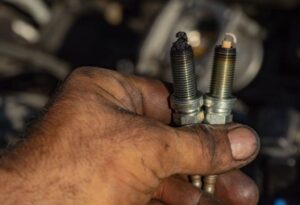
Driving with bad spark plugs is like trying to run a marathon with one shoe untied. You might get by for a bit, but it’s inefficient, uncomfortable, and you’re bound to trip. Your car’s engine relies on these small but mighty components to deliver a consistent, powerful spark. When that spark is weak or missing, things start to go downhill fast.
First off, you’ll likely notice some clear signs that your spark plugs are failing. I remember my old sedan started feeling sluggish, especially uphill. It felt like it was gasping for air, often accompanied by a distinct shudder or jerking sensation – that’s a classic sign of an engine misfire, often caused by bad spark plugs. Here’s what you might experience:
- Rough Idling: Your car might shake or vibrate when it’s just sitting still. It sounds and feels very unhappy.
- Engine Misfires: This is a big one. You’ll feel a sudden loss of power, a jerking motion, or a stumble as you accelerate. It literally feels like the engine skipped a beat.
- Poor Acceleration: Your car will struggle to pick up speed. It feels weak and unresponsive, especially when you need power to merge or pass.
- Reduced Fuel Economy: Because the fuel isn’t burning efficiently, your engine has to work harder and use more gas to go the same distance. I once ignored a rough idle, thinking it was minor, but it turned out to be bad spark plugs and cost me a lot more at the pump!
- Difficulty Starting: A weak spark can make your engine crank longer or fail to start altogether.
- Check Engine Light: Don’t ignore that light! A misfire caused by bad spark plugs is one of the common reasons it comes on. It’s your car’s way of telling you, “Hey, something’s wrong!”
Now, beyond these annoying symptoms, there are serious risks to driving with bad spark plugs:
- Damage to Your Catalytic Converter: This is a big deal and a very expensive repair. When spark plugs fail, unburnt fuel can enter the exhaust system. This raw fuel ignites in the catalytic converter, causing it to overheat and get damaged. Replacing one can cost thousands of dollars. Trust me, you don’t want that bill.
- Engine Damage: Continuous misfires put extra stress on other engine components. Over time, this can lead to excessive wear and tear, or even serious internal engine damage that requires a full rebuild or replacement.
- Increased Emissions: An inefficient engine burns fuel improperly, leading to higher levels of harmful pollutants being released into the air. Not good for the environment, and it could cause you to fail an emissions test.
- Reduced Safety: Imagine your car suddenly losing power or stalling when you’re on the highway or trying to make a left turn. Unpredictable engine performance due to bad spark plugs can put you and others at risk.
From my own experience, it’s always better to address these issues sooner rather than later. What seems like a minor annoyance with bad spark plugs can quickly escalate into a major repair. Getting your spark plugs replaced is a routine maintenance task, usually not too expensive if caught early. It’s a small investment that protects your much larger investment: your car.
Ultimately, driving with bad spark plugs is a gamble you don’t want to take. What might seem like a small inconvenience today can quickly escalate into a wallet-draining repair tomorrow. Listen to your car, address those symptoms early, and you’ll save yourself a lot of headaches and cash in the long run. Drive safe!