Yes, spark plugs significantly impact your car’s gas mileage! Worn or fouled spark plugs cause inefficient combustion, leading to reduced fuel economy, misfires, and decreased engine performance. Regularly inspecting and replacing these crucial components can drastically improve your MPG, restore engine power, and save you money at the pump.
Ever pull up to the gas pump and wince at the soaring numbers? We’ve all been there! It’s natural to wonder what might be silently draining your wallet. One common question that pops up for many car owners is: do spark plugs affect gas mileage?
The short answer is a resounding yes, absolutely, spark plugs do affect gas mileage! These tiny, often overlooked components play a critical role in your engine’s efficiency. Think of them as the tiny little igniters that kickstart your car’s power. If they’re not doing their job right, your engine has to work much harder, and that means burning more fuel.
How Exactly Do Spark Plugs Affect Gas Mileage, and What Can I Do About It?
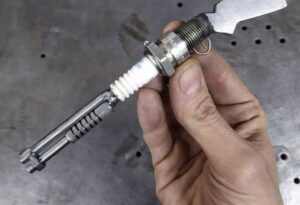
So, you know that spark plugs impact your fuel economy, but how does that really happen under the hood? It boils down to efficient combustion. Your engine needs a perfect little explosion of fuel and air to create power. Spark plugs are responsible for creating the spark that ignites this mixture. When they don’t perform optimally, your engine’s efficiency takes a nosedive, and that’s precisely how they can negatively affect gas mileage.
Let me share a bit from my own experience. I once had an older car that suddenly started chugging fuel like it was going out of style. I was baffled! It turned out the spark plugs were incredibly old and worn. Here’s why that matters:
- Worn-Out Spark Plugs: Over time, the electrodes on your spark plugs wear down. This makes the spark weaker and less consistent. A weak spark leads to incomplete combustion – meaning not all the fuel in the cylinder gets burned efficiently. When this happens, your engine compensates by injecting more fuel to maintain performance, directly reducing your gas mileage. It’s like trying to light a campfire with a damp match; it takes more effort and more matches!
- Fouled Spark Plugs: Sometimes, carbon deposits, oil, or fuel additives can build up on the spark plug tips. This “fouling” can create a path for the electricity to bypass the spark gap entirely, or weaken the spark significantly. A misfire occurs, and the cylinder doesn’t contribute power, forcing the other cylinders (and your wallet!) to work harder. I remember my mechanic showing me some fouled plugs from my old car once – they looked like they’d been dipped in tar!
- Incorrect Spark Plug Gap: Even new spark plugs can cause problems if their gap (the distance between the electrodes) isn’t set correctly. If the gap is too wide, the spark might be too weak or might not occur at all. If it’s too narrow, the spark can be too small or get “quenched.” Both scenarios lead to poor combustion and wasted fuel, directly impacting your gas mileage.
Practical Tips and My Personal Takeaways:
Based on what I’ve learned and experienced, here’s what you can do:
- Regular Inspection and Replacement: This is key. Check your car’s owner’s manual for the recommended spark plug replacement interval. For most modern cars, it can be anywhere from 30,000 to 100,000 miles. Don’t wait until you notice a problem. I learned this the hard way; being proactive could have saved me a lot on gas bills!
- Choose the Right Plugs: Not all spark plugs are created equal. Use the type recommended by your vehicle manufacturer (OEM or equivalent quality). There are different materials like copper, platinum, and iridium, each with different lifespan and performance characteristics.
- Ensure Proper Gapping: Even if spark plugs come “pre-gapped,” it’s always a good idea to double-check and adjust them with a gapping tool, especially for older car models. My mechanic friend always stressed how crucial this tiny detail is for optimal combustion.
- Combine with Other Maintenance: While spark plugs are important, they’re part of a larger system. For truly better gas mileage, also ensure your air filter is clean, tires are properly inflated, and your fuel system is clean. It’s a holistic approach!
So, the next time you wonder do spark plugs affect gas mileage, remember that these small but mighty components are vital. Keeping them in top shape isn’t just about smooth engine performance; it’s about keeping more money in your pocket at the gas station. A little preventative maintenance goes a long way!