While many spark plugs do come pre-gapped from the factory, it is absolutely essential to always verify and adjust the gap to your vehicle’s specific requirements before installation. This critical step ensures optimal engine performance, fuel efficiency, and plug longevity, preventing potential misfires or damage.
Ever found yourself staring at a shiny new box of spark plugs, ready to swap out the old ones and give your engine a fresh breath of life? It’s a rewarding feeling, knowing you’re taking care of your ride. But then, a common question pops into mind, one that often leads to a quick Google search: “Do spark plugs come pre-gapped?” You might assume they’re all set to go straight out of the box, a perfect fit for any engine, but let me tell you, it’s a bit more nuanced than that. This isn’t just a technical detail; it’s a crucial step that can profoundly impact your vehicle’s performance and longevity.
I remember the first time I confidently installed a set of “pre-gapped” spark plugs without checking them. My car ran… okay. But it wasn’t quite right. There was a subtle hesitation, a slight dip in fuel economy, and just an overall lack of the crispness I expected. It turns out, that small oversight—not checking the gap—was the culprit. That experience taught me a valuable lesson: assuming can lead to underwhelming results, especially when it comes to something as vital as your ignition system.
So, let’s dive deep into this essential topic. We’ll explore the truth behind pre-gapped spark plugs, why checking them is non-negotiable, and how you can ensure your engine gets the perfect spark every single time. By the end of this guide, you’ll not only know the answer to our burning question but also feel confident in correctly gapping your own spark plugs, guaranteeing optimal engine performance and efficiency.
Key Takeaways
- Don’t assume: Most new spark plugs need gapping for your specific engine.
- Always verify: Check your vehicle’s specified spark plug gap before installation.
- Prevent issues: Incorrect gaps cause misfires, poor performance, and reduced fuel economy.
- Use correct tools: Gap plugs carefully with a wire or feeler gauge, not by eye.
- Handle carefully: Never bend the center electrode on iridium/platinum plugs.
- Consult resources: Refer to your owner’s manual for precise gap specifications.
📑 Table of Contents
- The Myth vs. Reality of Pre-Gapped Spark Plugs
- Why Correct Spark Plug Gap is Crucial for Your Engine
- How to Find Your Engine’s Specific Spark Plug Gap Specification
- Tools You’ll Need for Checking and Adjusting Spark Plug Gap
- Step-by-Step Guide to Checking and Adjusting Your Spark Plugs
- Common Mistakes to Avoid When Gapping Spark Plugs
- The Final Spark: Always Check, Always Adjust
The Myth vs. Reality of Pre-Gapped Spark Plugs
When you buy a new set of spark plugs, especially from a reputable brand, they do indeed come with a gap set at the factory. This is often referred to as “pre-gapped.” However, that term can be a little misleading, and it’s where many DIY mechanics run into trouble. It implies a “one size fits all” solution, which simply isn’t true for most modern engines.
What “Pre-Gapped” Actually Means
When a manufacturer pre-gaps a spark plug, they set the electrode gap to a universal, middle-of-the-road specification. This general setting is designed to work in a wide variety of engines that might use that particular plug type. Think of it as a starting point, not necessarily the final destination. It’s a convenience, yes, but it’s rarely precise enough for your specific vehicle’s needs.
Why You Can’t Always Trust the “Pre-Gapped” Label
There are several reasons why relying solely on the “pre-gapped” label can be a mistake. Firstly, modern engines are incredibly diverse, with precise requirements for optimal combustion. What’s perfect for a four-cylinder sedan might be entirely wrong for a V8 truck, even if they theoretically could use the same spark plug model. Secondly, even if the factory gap was intended for a specific application, the journey from the factory to your engine bay can be rough. A spark plug can get bumped, dropped, or jostled in transit, causing the delicate ground electrode to bend and altering the gap. Just a tiny adjustment, even a fraction of a millimeter, can make a significant difference to your engine’s performance. Therefore, always checking the gap on new spark plugs is a best practice, regardless of what the box says.
Why Correct Spark Plug Gap is Crucial for Your Engine
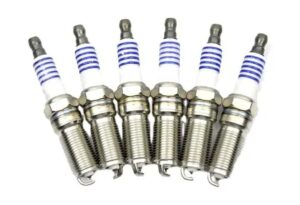
The gap between the center and ground electrodes on a spark plug is incredibly important. It determines the size and intensity of the spark that ignites the air-fuel mixture in your engine’s cylinders. A gap that is too wide or too narrow can lead to a host of problems, impacting everything from your driving experience to your wallet.
Impact on Engine Performance
If the gap is incorrect, your engine won’t run efficiently. A gap that’s too wide might make it harder for the spark to jump, leading to misfires, especially under acceleration. This results in noticeable power loss, rough idling, and difficulty starting the engine. On the flip side, a gap that’s too narrow produces a weaker, less effective spark. This can lead to incomplete combustion, reducing engine power and responsiveness. Neither scenario is ideal for a smooth, powerful ride.
Fuel Efficiency and Emissions
An engine that isn’t combusting fuel efficiently is essentially wasting it. Incorrect spark plug gaps can lead to increased fuel consumption because the engine has to work harder or burn more fuel to produce the same power. Beyond your fuel bill, poor combustion also means your car will produce more harmful emissions, potentially failing emission tests and contributing more to air pollution. Proper gapping ensures your engine burns fuel as cleanly and completely as possible.
Longevity of Your Spark Plugs and Ignition System
Misfires and incomplete combustion put extra stress on your entire ignition system. A spark plug struggling to fire due to an incorrect gap can cause premature wear on ignition coils, wires, and even the engine control unit (ECU). This can lead to more expensive repairs down the line. By taking the time to correctly gap your spark plugs, you’re not just ensuring immediate performance; you’re also extending the life of critical engine components.
How to Find Your Engine’s Specific Spark Plug Gap Specification
Okay, so we’ve established that you need to check and potentially adjust the gap. But what’s the correct gap for *your* car? This isn’t a guessing game; it’s a precise measurement that is readily available from reliable sources.
Your Owner’s Manual: The First Stop
This is always my go-to. Your vehicle’s owner’s manual is a treasure trove of information, and it almost always lists the specific spark plug type and gap setting recommended by the manufacturer. It’s tailored precisely for your car’s make, model, and engine configuration. Before you do anything else, grab that manual out of your glove compartment.
Service Manuals and Online Resources
If you don’t have your owner’s manual (it happens!), don’t despair. A vehicle service manual (like a Haynes or Chilton manual) is another excellent resource. These manuals offer incredibly detailed information for specific vehicles. Alternatively, many reputable auto parts store websites and online forums dedicated to your car model will have this information. Just be sure to cross-reference with a few sources if you’re pulling data from less official channels to ensure accuracy. Look for the recommended gap for your exact year, make, model, and engine size. Sometimes, even different sub-models within the same year can have different spark plug gap requirements.
Trusting Your Research, Not Just the Box
While some spark plug boxes might list a “pre-gap” setting or even a range, always prioritize the specification from your vehicle’s manufacturer. The plug manufacturer’s general recommendation might be slightly different from what your car truly needs for optimal performance. Your engine is unique, and its specific requirements should always take precedence.
Tools You’ll Need for Checking and Adjusting Spark Plug Gap
Gapping spark plugs isn’t rocket science, but having the right tools makes all the difference. They are inexpensive and essential for any DIY tune-up.
The Classic Gap Gauge (Wire Type vs. Disc Type)
There are two primary types of spark plug gap gauges, and I recommend having one of each for versatility:
- Wire-type Gap Gauge: This is generally considered the most accurate, especially for fine-wire electrode plugs (like iridium or platinum). It consists of several small diameter wires of various precise thicknesses. You slide the correct wire into the gap. If it slides in with slight drag, the gap is correct.
- Disc-type (Coin-style) Gap Gauge: This common, inexpensive tool looks like a metal disc with tapered edges and various measurements marked around it. You slide the tapered edge into the gap until it snugs up, then read the measurement. While convenient, be careful not to force it, as it can inadvertently widen the gap on delicate electrodes.
A Gentle Touch: How to Adjust the Gap
You’ll also need a way to adjust the gap. Many gap gauges, especially the disc type, have a small notch or tab designed for carefully bending the ground electrode. The key here is gentleness. Never try to bend the center electrode. Only ever adjust the ground electrode, and do it slowly and in small increments. Too much force can damage the spark plug or make it impossible to get the gap correct.
Step-by-Step Guide to Checking and Adjusting Your Spark Plugs
Now that you know why and what tools to use, let’s walk through the process of checking and adjusting your spark plugs. It’s a simple procedure, but precision is key.
Safety First!
Before you even think about handling spark plugs, make sure your engine is cool to the touch. Working on a hot engine can lead to burns and can also damage the threads in the cylinder head. Always disconnect your battery’s negative terminal as a general safety precaution when working on any electrical components of your vehicle.
The Checking Process
- Remove the Spark Plug: Carefully remove one spark plug at a time from your engine. Use a spark plug socket with a rubber insert to protect the ceramic insulator. Unscrew counter-clockwise.
- Locate the Specification: Double-check your owner’s manual or trusted source for your engine’s specific spark plug gap measurement (e.g., 0.044 inches or 1.1 mm).
- Measure the Current Gap:
- With a Wire Gauge: Find the wire on your gauge that matches your specification. Gently try to slide it between the center and ground electrodes. It should slide through with a slight drag. If it’s too loose, the gap is too wide. If it doesn’t fit, the gap is too narrow.
- With a Disc Gauge: Slide the tapered edge of the gauge into the gap until it stops. Read the measurement where it snugs up against the electrodes.
The Adjustment Process (If Needed)
If your spark plug gap isn’t perfect, it’s time to adjust it:
- To Widen the Gap: If the gap is too narrow, use the adjustment tab on your gauge (or a very small, flat-bladed screwdriver) to carefully and gently pry the ground electrode away from the center electrode. Make tiny adjustments and re-measure frequently.
- To Narrow the Gap: If the gap is too wide, gently tap the ground electrode against a clean, hard surface (like a wooden block or the edge of your workbench). You can also use the adjustment tab on your gauge to press the ground electrode closer to the center electrode. Again, make small adjustments and re-measure.
Re-checking for Accuracy
After any adjustment, always re-measure the gap. Do this several times to ensure consistency. You want that specific wire or measurement on your gauge to slide through with just a hint of resistance. Perfection is the goal here for optimal engine function.
Common Mistakes to Avoid When Gapping Spark Plugs
While the process is straightforward, a few common errors can lead to frustration or even damaged spark plugs.
Using the Wrong Gauge
As mentioned earlier, for modern spark plugs, especially those with iridium or platinum fine-wire electrodes, a wire-type gauge is highly recommended. Using a disc-type gauge, particularly if you force it, can scrape off the precious metal coating on the center electrode. This can significantly reduce the plug’s lifespan and performance. Always be gentle, no matter the gauge type.
Being Too Aggressive with Adjustments
It’s tempting to try and bend the ground electrode significantly in one go, but this is a recipe for disaster. Over-bending can weaken the electrode, making it susceptible to breaking off inside your engine (which is a very bad day!). Even worse, trying to bend the center electrode can crack the ceramic insulator or damage the delicate electrode tip. Always make small, precise adjustments and re-measure after each one.
Ignoring Specific Plug Types (e.g., Iridium, Platinum)
Some specialized spark plugs, particularly those with multiple ground electrodes or extremely fine center electrodes, are sometimes designed not to be gapped at all, or to have a very specific, delicate gapping procedure. Always consult the spark plug manufacturer’s instructions if you’re dealing with advanced plug designs. If they say “do not gap,” then don’t! But generally, for standard copper, platinum, and iridium plugs, checking and adjusting is part of the installation process.
The Final Spark: Always Check, Always Adjust
So, do spark plugs come pre-gapped? Yes, technically, they do have a gap when you buy them. But the more crucial question is: are they pre-gapped correctly for your specific engine? And the answer to that is almost always “not reliably enough.” My personal experience, and the wisdom of countless mechanics, points to one undeniable truth: you should always check and, if necessary, adjust the gap on your new spark plugs before installation.
Taking those extra few minutes to verify and set the correct spark plug gap isn’t just a recommendation; it’s a critical step for optimal engine health and performance. It’s the difference between a car that runs merely “okay” and one that purrs with peak power, efficiency, and reliability. You’ll notice the crisper acceleration, the smoother idle, and the satisfying feeling of knowing you’ve given your engine exactly what it needs.
Don’t let the simplicity of the task fool you into skipping it. Arm yourself with your owner’s manual, a reliable gap gauge, and a gentle touch. By doing so, you’re not just installing new spark plugs; you’re ensuring your engine ignites its potential, literally, with every turn of the key. Happy driving!
Frequently Asked Questions
Do spark plugs come pre gapped from the factory?
Yes, new spark plugs generally come pre-gapped by the manufacturer to a universal setting. However, this “universal” gap might not be the precise gap required for your specific vehicle’s engine.
Why do I still need to check the gap even if spark plugs come pre gapped?
Checking is crucial because the “pre-gapped” setting is generic and can also be altered during shipping or handling. Your vehicle’s engine requires a very specific gap for optimal performance, fuel efficiency, and to prevent misfires.
Is the pre-gap always correct for my specific vehicle?
No, the pre-gap on new spark plugs is typically a manufacturer’s standard setting and is rarely perfect for every single engine. Always refer to your vehicle’s owner’s manual or a reliable service guide for the exact spark plug gap specification.
What happens if I install spark plugs with the wrong gap?
Installing incorrectly gapped spark plugs can lead to various engine problems, including misfires, reduced fuel economy, sluggish acceleration, and even potential damage to the ignition system over time. An improper gap can hinder the spark’s ability to ignite the air-fuel mixture effectively.
How do I properly gap my spark plugs if they don’t come pre gapped correctly?
You’ll need a specialized gapping tool (wire-type or ramp-style feeler gauge) and your vehicle’s specific gap specification. Gently bend the ground electrode to either widen or narrow the gap until it matches the required measurement.
Are all spark plugs meant to be gapped manually, even if they are pre gapped?
No, not all spark plugs should be manually gapped. Many iridium or platinum-tipped spark plugs come with very fine electrodes that can be easily damaged if you attempt to adjust them. For these types, it’s best to buy the exact part number specified for your vehicle, which should have the correct gap from the factory.