Yes, spark plugs absolutely need to be torqued to manufacturer specifications. This critical step ensures an optimal seal, efficient heat transfer away from the combustion chamber, and prevents catastrophic damage like stripped threads or a plug blowing out. Ignoring proper torque can lead to costly engine problems, compromised performance, and even safety risks.
Do Spark Plugs Need To Be Torqued? Why It Matters
Oh, absolutely! If you’re wondering, “Do spark plugs need to be torqued?” the answer is a resounding yes. It’s not just a suggestion; it’s a crucial step that can prevent a whole lot of headaches down the road. I’ve been there, thinking I could just “feel” it, and trust me, that never ends well. Getting those spark plugs tightened to the right specification is vital for your engine’s health and performance.
Imagine building something important without following the instructions – you wouldn’t expect it to last, right? The same goes for your engine. Proper torque ensures everything seats just right, and when it comes to delicate components like spark plugs, “just right” makes all the difference. Let’s dive into why this seemingly small detail is such a big deal.
Why Is It So Important to Torque Spark Plugs Correctly, and What Happens If You Don’t?
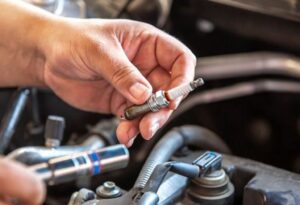
When you’re dealing with the intricate mechanics of your car’s engine, every detail matters, especially when you install spark plugs. The question of whether spark plugs need to be torqued isn’t just about tightness; it’s about precision, and here’s why it’s a non-negotiable step:
Proper Sealing and Heat Transfer
First off, think about what a spark plug does. It creates a spark, but it also helps seal the combustion chamber and transfer heat away from itself into the engine’s cylinder head. For this heat transfer to happen effectively, the spark plug needs to be in full, even contact with the cylinder head. If it’s not torqued correctly, this contact is compromised. A spark plug that’s too loose won’t seal properly, allowing combustion gases to leak, which reduces engine power and can even lead to overheating of the spark plug itself. This is a critical reason why spark plugs need to be torqued to spec.
Preventing Damage: Too Loose or Too Tight
This is where my personal experience kicks in. I once tried to install spark plugs without a torque wrench, thinking I had a “calibrated arm.” Big mistake. Here’s what can happen:
- Too Loose: If the spark plug isn’t tight enough, it can vibrate loose over time. This can cause misfires, a rough idle, reduced fuel economy, and in extreme cases, the plug can actually eject from the cylinder head! Trust me, hearing a spark plug shoot out of your engine while driving is a sound you don’t want to experience. It can damage the threads in your cylinder head, turning a simple task into a costly repair. This is a prime example of why spark plugs need to be torqued properly.
- Too Tight: On the flip side, over-tightening is just as bad, if not worse. You risk stripping the threads in the cylinder head, which is an incredibly expensive repair – sometimes even requiring a new cylinder head! You can also crack the porcelain insulator of the spark plug itself, rendering it useless, or even deform the plug’s metal shell, affecting its performance. I’ve seen friends accidentally snap off spark plugs in their cylinder head because they overtightened them. That’s a nightmare scenario no one wants. This damage is precisely why spark plugs need to be torqued with care.
Consistent Performance and Longevity
When you torque spark plugs to the manufacturer’s specified setting, you’re ensuring that each plug performs optimally and lasts for its intended lifespan. Correct torque provides the right amount of clamping force, preventing issues like pre-ignition or detonation due to poor heat dissipation. It’s all about maintaining the ideal operating conditions for your engine.
Practical Tips from My Garage
So, how do you make sure you get it right? Here’s what I always do:
- Get a Torque Wrench: This is non-negotiable. Don’t cheap out on this tool. A good quality torque wrench will be your best friend for many tasks, not just spark plugs.
- Check Your Specs: Always look up the specific torque values for your car’s make, model, and year, and for the specific spark plugs you’re using. These are usually in your car’s owner’s manual or a service manual. Don’t guess!
- Cold Engine Only: Always install spark plugs into a cold engine. Metal expands when hot, so torquing a plug into a hot cylinder head can give you an inaccurate reading and lead to over-tightening once the engine cools.
- Lubrication (or lack thereof): Most modern spark plugs come with a special coating on the threads and should be installed dry. Some manufacturers might recommend a tiny bit of anti-seize, but check your plug manufacturer’s advice first, as anti-seize can affect torque readings and lead to over-tightening.
- Smooth and Steady: Once you’ve set your torque wrench, tighten the plug smoothly until you hear or feel the click. Don’t keep turning past that point.
Understanding that spark plugs need to be torqued correctly is a fundamental step in DIY car maintenance. It saves you money, prevents damage, and keeps your engine running happily.
So, the next time you’re swapping out those plugs, remember: don’t just “snug” them down. Grab that torque wrench, look up the specs, and give your engine the precision it deserves. Your car (and your wallet) will thank you for it!