No, a diesel engine does not use spark plugs for ignition. Unlike gasoline engines, diesels rely on the immense heat generated by compressing air to ignite the fuel, a process known as compression ignition. While they do not have spark plugs, many diesel engines utilize glow plugs to preheat the combustion chamber, which significantly aids starting in cold conditions but are not involved in continuous operation.
Does a diesel engine need spark plugs Your questions answered
Hey there! Ever wondered if your trusty diesel engine uses spark plugs, just like a gasoline car? It’s a super common question, and honestly, it makes a lot of sense to ask. But here’s the scoop, straight up: no, a diesel engine doesn’t need spark plugs. That’s right! It uses a completely different, yet incredibly clever, method to get itself going and keep running. It’s one of the coolest distinctions between diesel and gasoline power, and once you get it, it totally clicks!
Instead of relying on an electrical spark to ignite the fuel, diesel engines use something called “compression ignition.” Think of it like this: they squeeze air so much that it gets super hot, and then they spray in fuel which instantly combusts. No spark needed! Pretty neat, huh?
So, does a diesel engine need spark plugs, and if not, how do they start?
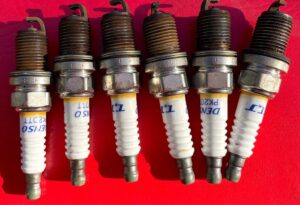
Let’s dive deeper into this fascinating difference! As we just touched on, a diesel engine doesn’t use spark plugs because its fundamental operating principle is built around compression, not a spark. In a gasoline engine, a mix of air and fuel is compressed, and then a spark plug creates a tiny lightning bolt to ignite that mixture, pushing the piston down.
A diesel engine, however, operates quite differently. First, it sucks in only air. Then, it compresses that air to an incredibly high pressure. This intense compression generates a massive amount of heat – often over 1000 degrees Fahrenheit! At precisely the right moment, fuel injectors spray a fine mist of diesel fuel directly into this superheated air. Because the air is already so hot, the fuel spontaneously ignites and burns, pushing the piston down. It’s a bit like rubbing your hands together really fast to create heat, but on a much grander, more powerful scale.
Now, while a diesel engine doesn’t need spark plugs, it does have a special component that sometimes gets confused with them, especially during colder weather: glow plugs. These aren’t for ignition once the engine is running, but rather for helping it start when it’s chilly outside. Imagine trying to start a campfire with cold wood – tough, right? A glow plug acts like a tiny heater, warming up the air in the combustion chamber just before the engine starts.
I remember one frosty winter morning when my old diesel truck was giving me trouble. I’d turn the key, hear it crank, but it just wouldn’t catch. After a quick check, it turned out a couple of my glow plugs had gone bad. Once I replaced them, the difference was night and day! I’d wait a few seconds for the glow plug light on my dash to turn off – a little indicator telling me they’d done their job warming up the cylinders – and then, boom, fired right up. It was a simple fix, but a vital lesson in understanding these components.
So, here are a few practical tips based on my own experience:
- Always wait for the glow plug light: In colder temperatures, your diesel engine needs that pre-heating. Don’t rush it; letting the glow plugs do their work can prevent hard starts and reduce strain on your starter motor and battery.
- Listen and watch for symptoms: If your diesel is hard to start, producing excessive white smoke (especially when cold), or running roughly for the first minute or so after starting, it could be a sign of failing glow plugs. They’re a wear-and-tear item, just like many other parts.
- Understand the difference: Remember, while both spark plugs and glow plugs deal with ignition in some form, they do so in fundamentally different ways for different engine types. A diesel engine’s robust design, relying on compression, is what makes it so efficient and powerful.
So there you have it! The next time someone asks if a diesel engine needs spark plugs, you can confidently explain the magic of compression ignition and the vital role of glow plugs in chilly weather. It’s a key part of what makes diesel engines unique and such workhorses on the road and beyond. Understanding these basics really helps you appreciate the engineering behind your vehicle!