Recognizing specific symptoms is key to knowing when to change spark plugs, even before scheduled maintenance. Watch for tell-tale signs such as a rough-idling engine, misfires, sluggish acceleration, decreased fuel economy, or an illuminated check engine light. While mileage intervals (30k-100k miles) are a guide, these direct indicators signal it’s time for a replacement to maintain optimal engine performance and efficiency.
How do you know when to change spark plugs Easy Guide
Ever had that moment where your car just feels… off? Maybe it’s a little sluggish, drinks more gas than usual, or gives a little shudder every now and then. These subtle hints often point to something fundamental under the hood, something small but mighty: your spark plugs. Often overlooked, these unsung heroes are absolutely crucial for your engine’s performance, fuel efficiency, and even the air you breathe.
Learning how to tell when it’s time to change spark plugs might sound like a task only for seasoned mechanics, but trust me, it’s not! Like a good friend, your car will give you signs when something needs attention. Understanding these signs and knowing when to change spark plugs can save you a lot of headaches, money, and keep your ride running smoothly for years to come. So, let’s chat about what to look for, shall we?
Key Takeaways
- Consult owner’s manual: Follow manufacturer’s recommended spark plug replacement intervals.
- Watch for engine misfires: Hesitation, rough idle, or power loss signal worn plugs.
- Notice decreased fuel economy: Worn plugs reduce efficiency; track your MPG carefully.
- Inspect plugs visually: Check for electrode wear, cracks, or heavy carbon buildup.
- Don’t ignore “Check Engine”: A lit light often indicates ignition system or misfire issues.
- Listen for engine knocking: Unusual noises can point to pre-ignition or spark plug issues.
- Address hard starting: Difficulty cranking, especially in cold, suggests worn ignition.
📑 Table of Contents
The Role of Spark Plugs and Why They Matter
Think of your spark plugs as the tiny lightning bolts that ignite your engine. Each time the piston compresses the air-fuel mixture in the combustion chamber, a spark plug fires, creating a controlled explosion that pushes the piston down and ultimately powers your car. Without this precise ignition, your engine simply wouldn’t run. It’s a delicate dance of timing and power, happening thousands of times per minute.
When spark plugs get old or worn, this dance gets out of sync. They might misfire, produce a weak spark, or not spark at all. This leads to incomplete combustion, meaning your engine isn’t converting fuel into power as efficiently as it should. The ripple effect is significant: your car loses power, consumes more fuel, and even emits more harmful pollutants. Knowing when to change spark plugs is a key part of preventative maintenance that keeps your vehicle healthy.
Understanding Spark Plug Types and Lifespan
Not all spark plugs are created equal! There are generally three main types, each with a different lifespan:
- Copper Spark Plugs: These are the traditional choice and typically have a copper core electrode. They are excellent conductors but wear out faster due to copper’s softness. You might need to change spark plugs made of copper every 20,000-40,000 miles.
- Platinum Spark Plugs: Featuring a platinum disc welded to the center electrode, these plugs offer better durability and a longer lifespan than copper plugs. They can often last 60,000-80,000 miles before you need to change spark plugs.
- Iridium Spark Plugs: The most advanced type, iridium plugs have an extremely hard and durable iridium alloy center electrode. They are designed for maximum performance and longevity, often lasting 100,000 miles or more. Many modern cars come with iridium spark plugs from the factory.
Always remember that these are general guidelines. Your car’s manufacturer will have specific recommendations for when to change spark plugs, which we’ll discuss next.
Listen to Your Car: Common Symptoms of Worn Spark Plugs
Your car has a language, and it’s constantly telling you things if you pay attention. When your spark plugs are nearing the end of their life, they’ll start sending out clear signals. Recognizing these can help you act before minor issues become major ones. It’s often the easiest way to know when to change spark plugs.
Engine Misfires or Rough Idling
This is perhaps the most common and noticeable symptom. If your engine feels like it’s stumbling, vibrating excessively, or hesitating, especially when idling at a stoplight, it could be a sign of a misfire. A misfire happens when a spark plug fails to ignite the fuel-air mixture in one of the cylinders. You might feel a noticeable shudder or hear an inconsistent “thump-thump-thump” sound instead of a smooth hum. This is a strong indicator it’s time to check and potentially change spark plugs.
Reduced Fuel Economy
Are you suddenly visiting the gas station more often than usual? Worn spark plugs lead to inefficient combustion. When the spark isn’t strong enough, the fuel isn’t burned completely, meaning your engine has to work harder and consume more gasoline to produce the same amount of power. If your MPG (miles per gallon) has taken a dive without any changes in your driving habits, it’s a big red flag that you might need to change spark plugs.
Slow Acceleration or Lack of Power
Does your car feel sluggish when you press the accelerator? Does it struggle to get up to speed on the highway or feel weak going uphill? This “lack of pep” is a classic sign of failing spark plugs. Because the engine isn’t getting optimal ignition, it can’t deliver its full power potential. If your car isn’t responding like it used to, consider inspecting your spark plugs.
Difficulty Starting Your Car
Turning the key or pushing the start button and hearing the engine crank for an unusually long time before it finally catches? This could also be attributed to weak spark plugs. Without a strong, reliable spark, your engine struggles to ignite the initial air-fuel mixture needed to get it going. If your car is slow to start, especially in colder weather, it might be time to change spark plugs.
Check Engine Light Illumination
The “Check Engine” light on your dashboard is your car’s way of saying, “Hey, something’s not right!” While it can indicate a vast array of issues, engine misfires caused by faulty spark plugs are a very common trigger. If your check engine light comes on and your car exhibits any of the other symptoms mentioned, worn spark plugs are a strong candidate. A diagnostic scan tool can often pinpoint specific misfire codes (like P0301, P0302, etc., indicating a misfire in a particular cylinder), making it easier to identify the problem and know which spark plugs to change spark plugs.
Beyond Symptoms: Manufacturer Recommendations and Visual Inspection
While listening to your car’s symptoms is important, it’s not the only way to know when to change spark plugs. Proactive maintenance based on time or mileage and a quick visual check can give you peace of mind and prevent issues before they even start.
Checking Your Owner’s Manual
This is your car’s bible for maintenance! Your owner’s manual contains a wealth of information, including the manufacturer’s recommended service intervals for just about everything, including when to change spark plugs. This interval is usually specified in miles or kilometers and sometimes also in time (e.g., “every 100,000 miles or 7 years, whichever comes first”). Adhering to these recommendations is the best way to ensure your car remains reliable and performs as designed.
Visual Inspection: What to Look For
If you’re comfortable getting under the hood, a visual inspection of your spark plugs can reveal a lot about their condition and your engine’s health. You’ll need a spark plug socket and a ratchet to carefully remove one plug at a time (remember which cylinder it came from!).
- Carbon Buildup: A sooty, black, dry coating indicates incomplete combustion or an overly rich air-fuel mixture.
- Oil Fouling: A greasy, black, wet coating suggests oil is leaking into the combustion chamber, possibly due to worn piston rings or valve seals.
- Eroded Electrodes: If the center or ground electrode looks significantly worn down, rounded, or “eaten away,” the plug is definitely past its prime and won’t provide a strong spark. This is a clear sign to change spark plugs.
- Melted or Blistered Electrodes: This is a serious sign of engine overheating or incorrect heat range spark plugs. Address this immediately!
- Cracked Porcelain: If the ceramic insulator around the electrode is cracked, it can cause the spark to short circuit, leading to misfires.
If you see any of these conditions, especially eroded electrodes, it’s a clear indication that it’s time to change spark plugs.
When to Change Spark Plugs: Typical Lifespans
To give you a general idea, here’s a table summarizing common spark plug replacement intervals. Remember, always refer to your specific vehicle’s owner’s manual for the most accurate information.
| Spark Plug Type | Typical Lifespan (Miles) | Notes |
|---|---|---|
| Copper | 20,000 – 40,000 | Good conductor, wears faster. |
| Platinum | 60,000 – 80,000 | Better durability than copper. |
| Double Platinum | 80,000 – 100,000+ | Platinum on both electrodes for even wear, often used in “wasted spark” systems. |
| Iridium | 100,000 – 120,000+ | Most durable, highest performance and longevity. |
It’s important to note that these are averages. Driving conditions (heavy city driving, towing, extreme temperatures) can affect how quickly spark plugs wear out. If you frequently drive in demanding conditions, you might need to change spark plugs a bit sooner than recommended.
DIY or Pro? Deciding How to Change Spark Plugs
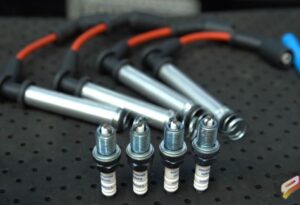
Once you’ve determined it’s time to change spark plugs, the next question is: do you tackle it yourself or take it to a mechanic? It’s a common maintenance task, and whether it’s a DIY job often depends on your comfort level and your car’s design.
When You Can DIY
If you have basic mechanical skills, a set of wrenches, and your spark plugs are relatively easy to access (not buried under intake manifolds or other components), changing them yourself can be a satisfying and cost-effective project. Many four-cylinder engines or older, simpler engine layouts make spark plug replacement quite straightforward. There are tons of online tutorials specific to almost every car model that can walk you through the process step-by-step.
When to See a Mechanic
If your spark plugs are difficult to reach (e.g., in V6 or V8 engines where some plugs are under the intake manifold), require specialized tools, or if you’re simply not confident in your ability, it’s always best to let a professional handle it. Stripping threads in the cylinder head or breaking a plug off can turn a simple job into a very expensive repair. When in doubt, call your trusted mechanic. They’ll have the right tools and expertise to change spark plugs correctly.
Tips for a Successful Spark Plug Change (if DIY)
- Work on a Cold Engine: Always allow your engine to cool down completely before removing spark plugs. This prevents stripping threads in the aluminum cylinder head.
- One at a Time: Remove and replace spark plugs one at a time. This helps prevent mixing up spark plug wires and keeps debris from falling into open cylinders.
- Use a Torque Wrench: Spark plugs need to be tightened to a specific torque setting. Overtightening can damage the plug or cylinder head; undertightening can cause misfires and looseness.
- Anti-Seize Lubricant: Apply a small amount of anti-seize compound to the threads of new spark plugs, especially if they are going into an aluminum cylinder head. This helps prevent them from seizing in place over time.
- Gap the Plugs: While many modern spark plugs come pre-gapped, it’s always a good idea to double-check the gap using a spark plug gapping tool against your owner’s manual specifications.
Conclusion
Knowing when to change spark plugs isn’t just about fixing a problem; it’s about smart car ownership. These small components play a massive role in your vehicle’s performance, fuel efficiency, and overall health. By paying attention to your car’s signals – rough idling, poor fuel economy, sluggish acceleration, or a nagging check engine light – and by following your manufacturer’s recommended maintenance schedule, you can keep your engine humming happily for miles to come.
So, the next time your car feels a little off, don’t ignore it. It might just be whispering that it’s time to change spark plugs. Addressing this simple maintenance task proactively is an easy way to ensure a smoother, more reliable, and more enjoyable driving experience. Here’s to many happy miles ahead!
Frequently Asked Questions
What are the primary signs that indicate it’s time to change spark plugs?
Look out for noticeable changes in your vehicle’s performance, such as engine misfires, rough idling, or difficulty accelerating. A decrease in fuel economy is another common indicator that your spark plugs may be worn out and need replacement.
How often should spark plugs typically be replaced?
The replacement interval varies significantly depending on your vehicle’s make, model, and the type of spark plugs installed (e.g., copper, platinum, iridium). Always consult your car’s owner’s manual for the manufacturer’s recommended service schedule to know when to change spark plugs.
Can old or worn-out spark plugs affect my car’s performance and fuel efficiency?
Absolutely. Worn-out spark plugs can lead to a significant decrease in engine power, noticeable sluggishness, and reduced acceleration. They also directly impact your car’s fuel economy, causing you to spend more at the gas pump.
What are the potential consequences if I don’t change my spark plugs when needed?
Ignoring the need to change spark plugs can lead to more serious and costly issues than just poor performance. It can cause damage to the catalytic converter, put strain on the ignition coils, and even result in your vehicle struggling to start or stalling.
Will my “check engine” light come on if I need to change spark plugs?
Yes, a failing or misfiring spark plug can definitely trigger your “check engine” light. This often indicates a combustion issue detected by your vehicle’s onboard diagnostic system. It’s always wise to get the diagnostic code read to confirm the exact cause.
Does the type of spark plug (e.g., copper, iridium) impact how often they need to be changed?
Yes, the material of the spark plug significantly affects its lifespan and how often it needs to be changed. Copper plugs typically have a shorter lifespan, while more durable platinum and iridium spark plugs are designed to last much longer, often exceeding 100,000 miles.