Achieving the correct spark plug gap is absolutely vital for peak engine performance, fuel efficiency, and overall longevity. Always consult your vehicle’s manufacturer specifications and precisely measure the gap using a specialized gapping tool, such as a wire-type feeler gauge or a ramp-style disc tool. An improperly gapped plug can lead to misfires, reduced power, and costly engine issues, making precision essential.
Master How To Set The Gap On A Spark Plug Correctly
Hey there, fellow car enthusiast! Ever wondered about those little things called spark plugs and why their tiny gap matters so much? Well, let me tell you, knowing how to set the gap on a spark plug correctly is a game-changer for your engine’s performance. It’s not just some mechanic’s secret; it’s a simple task that ensures your car runs smoothly, efficiently, and with all the power it’s designed to have. Think of it as tuning your engine’s heart for the perfect spark.
How do you set the gap on a spark plug, and why is it so important for my engine?
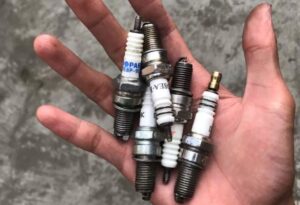
Great question! Setting the gap on a spark plug is all about making sure the tiny space between its central electrode and ground strap is just right. This space is where the magic happens – where the spark jumps across to ignite the air-fuel mixture in your engine. If this gap is too big or too small, your spark won’t be as effective, leading to a host of problems from reduced fuel economy to engine misfires. Getting it perfect means a cleaner burn, better power, and a happier engine.
Before we dive into the ‘how,’ let’s talk about what you’ll need. First, you’ll want a reliable spark plug gap tool. You’ll often see two main types: the coin-style gapper and the wire-gauge style. I personally prefer the wire-gauge type because it’s super precise and less likely to accidentally widen the gap too much. You’ll also need your new spark plugs, of course, and most importantly, your vehicle’s owner’s manual. That manual is your best friend because it tells you the exact gap specification for your specific engine, crucial information for when you set the gap on a spark plug. Don’t guess!
Now, let’s find that sweet spot. Every engine has a precise gap specification, usually measured in thousandths of an inch (e.g., 0.044 inches) or millimeters. This number is critical. You absolutely must consult your car’s owner’s manual or a reputable service manual for your specific make and model. Trying to use a generic gap can actually harm your engine’s performance or even damage components. Trust me, a quick check saves a lot of headaches later.
Alright, let’s get to the fun part – how to set the gap on a spark plug. Here’s my step-by-step guide on how to set the gap on a spark plug correctly:
- Inspect the new plug: Take your new spark plug out of its box. Notice the central electrode and the L-shaped piece of metal above it – that’s the ground strap. The gap is the space between them.
- Measure the current gap: Gently slide the correct gauge wire from your gap tool into the space. It should fit snugly with a slight drag. If it slides right through, the gap is too wide. If it doesn’t fit at all, it’s too narrow.
- Adjusting if needed:
- To widen the gap: Use the gapping tool’s adjustment lever (often a small notch on the coin-style or a hook on the wire-style) to very gently pry the ground strap upwards, away from the central electrode. Do this in tiny increments!
- To narrow the gap: Carefully tap the end of the ground strap on a clean, hard, non-marring surface (like a wooden block or the edge of your workbench) or gently press the ground strap down with your finger. Again, small adjustments are key.
- Re-measure: After each adjustment, re-measure the gap. You’re aiming for that perfect snug fit with the specified gauge wire. Repeat until it’s spot on.
From my own garage adventures, here are a few things I’ve learned about how to set the gap on a spark plug:
Always Check, Even New Plugs: I used to think new spark plugs came perfectly pre-gapped. Boy, was I wrong! Shipping and handling can easily alter that tiny gap. Always measure and adjust *every single new plug* before installing it. It’s a habit that saves a lot of frustration when you set the gap on a spark plug.
Be Gentle: The central electrode, especially on iridium or platinum plugs, is fragile. Never use excessive force or pry directly on the central electrode. You could damage it or even break off the tip, rendering the plug useless. All adjustments should be made to the ground strap.
Impact of Wrong Gap: I once installed plugs with slightly incorrect gaps. My car felt sluggish, idled rough, and even experienced some noticeable misfires, especially under acceleration. After pulling them out and re-gapping them correctly, the difference was night and day. Smooth idle, better acceleration, and even improved my gas mileage a bit. It really does make a difference when you take the time to set the gap on a spark plug just right!
So there you have it! Understanding how to set the gap on a spark plug isn’t just for pros. It’s a fundamental skill that contributes significantly to your vehicle’s health and your driving experience. Take your time, use the right tools, and always check those specifications. Your engine will thank you with smooth performance and reliable power for miles to come!