Spark plugs are absolutely critical for your engine’s power, efficiency, and reliability, acting as the igniters for combustion. Worn or faulty plugs can significantly diminish performance, waste fuel, and even increase emissions. Regular inspection and replacement are essential to maintain optimal engine health and responsiveness.
Engine Power Demystified How Important Are Spark Plugs
Ever wonder what tiny, unsung hero keeps your car humming along smoothly? Well, let me tell you, it’s often the humble spark plug! These small but mighty components are absolutely crucial for your engine’s health and performance. Think of them as the tiny lightning bolts that kickstart everything, making sure your engine gets the power it needs when you press the accelerator.
From my own experience, ignoring them can lead to a world of frustration, from sluggish acceleration to a big hit to your wallet at the gas pump. So, how important are spark plugs? In short, they’re foundational to your engine’s operation.
So, exactly how important are spark plugs for my car’s performance, and what exactly do they do?
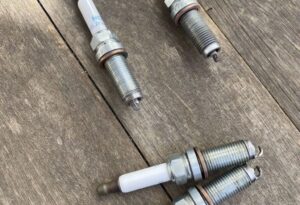
Believe it or not, these small parts wield immense power when it comes to your car’s overall performance, fuel efficiency, and even how clean its emissions are. Let me break it down for you, just like I learned over years of tinkering and driving.
At their core, spark plugs have a simple yet vital job: they create the spark that ignites the air-fuel mixture in your engine’s combustion chamber. Imagine your engine as a finely tuned orchestra. The spark plugs are the conductor’s precise cue, telling the fuel and air exactly when to ignite. Without that perfect timing and a strong, consistent spark, the whole performance falls apart.
I once had an old car that started sputtering and losing power, especially on hills. It felt like I was driving a tired old horse, not a car! Turns out, it was just old, worn-out spark plugs. Swapping them out felt like giving the car a new lease on life – suddenly, acceleration was smoother, and those embarrassing chugging sounds were gone. This directly translates to:
- Optimal Engine Performance: Good spark plugs ensure a rapid, efficient burn of the fuel. This means you get full power and smooth acceleration whenever you need it. If your car feels sluggish or hesitant, especially when merging onto a highway, worn spark plugs could be the culprit.
- Better Fuel Efficiency: When the air-fuel mixture burns completely and efficiently, your engine makes the most of every drop of gasoline. Bad spark plugs lead to incomplete combustion, which wastes fuel like crazy. You’ll notice yourself filling up more often, and nobody likes that!
- Reduced Emissions: An efficient burn also means fewer harmful pollutants are released into the atmosphere. So, keeping your spark plugs in good shape isn’t just good for your car, it’s good for the environment too.
- Reliable Starts: Ever had trouble starting your car, especially on a cold morning? Weak spark plugs might not be able to create a strong enough spark to get the engine going promptly. It’s a frustrating experience, and often preventable.
How do you know if your spark plugs are waving a white flag? You might notice a few tell-tale signs. Beyond the power loss I mentioned, you might feel a rough idle, like the car is shaking a bit more than usual when stopped. Sometimes, you’ll hear a misfire – a distinct pause or stumble in the engine’s rhythm. And of course, your “check engine” light might come on, often pointing to a misfire code that can be traced back to these crucial components.
When should you replace them? This really depends on your specific car and the type of spark plug it uses. Standard copper plugs typically need replacing every 30,000 miles, while platinum or iridium plugs can last much longer, sometimes up to 100,000 miles or even more. My best advice? Always check your car’s owner’s manual for the recommended maintenance schedule. It’s your car’s bible for these kinds of things!
Replacing spark plugs isn’t always super complex, but it’s vital to get the right type for your engine and ensure they’re “gapped” correctly (the distance between the electrodes). For many, it’s a job best left to a trusted mechanic, unless you’re comfortable getting under the hood and have the right tools. Investing in good quality spark plugs and timely replacement pays off in the long run with a smoother, more powerful, and more economical drive.
So, next time you think about your car’s health, remember those little spark plugs. They’re small, but their impact is undeniably huge. A little attention to these tiny igniters can save you headaches, improve your drive, and keep your engine happy for many miles to come!