The “real truth” about oil filter longevity ultimately dictates that you should always replace your oil filter with every oil change, regardless of advancements in filter technology or oil lifespan. While modern filters are highly efficient, they accumulate contaminants that, if not regularly renewed, can compromise engine performance and longevity. Prioritizing this simple, cost-effective maintenance step ensures optimal engine health and protection.
Ever found yourself staring at your car’s service sticker, wondering, “Hey, how long is an oil filter good for?” It’s a super common question, and honestly, the answer isn’t always as straightforward as you might think. Many folks just assume it’s replaced with every oil change, and while that’s often the safest bet, there’s a bit more to understand about this unsung hero of your engine.
Simply put, an oil filter is usually good for the same interval as your engine oil, which means it generally needs replacing when you get your oil changed. But stick around, because the “real truth” depends on a few key things like your car, your driving habits, and even the type of oil you use. Let’s dive deeper!
So, How Long is an Oil Filter Good For, Really?
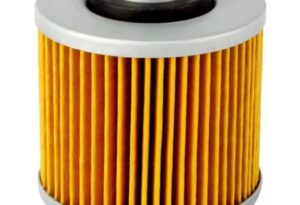
This is the million-dollar question, right? From my own experience and what I’ve learned over the years, the best way to determine how long an oil filter is good for boils down to a few factors, but the golden rule is: replace it with every oil change. Here’s why, and what else to consider:
- Mileage and Time Are Key:
Your car’s manufacturer sets a recommended interval for oil changes, typically based on mileage or time, whichever comes first. This is your primary guide for how long an oil filter is good for. For a long time, the old standard was 3,000 miles or three months. Today, with advancements in oil and engine technology, many cars can go 5,000 to 7,500 miles, or even 10,000 miles (or 6-12 months) with synthetic oil. My own trusty sedan, for example, recommends an oil and filter change every 5,000 miles with a synthetic blend. If I don’t hit that mileage, I still change it once a year, just like my buddy who barely drives his truck – even at 2,000 miles, that oil and filter still needs refreshing to combat moisture and degradation. - The Role of Your Oil Type:
If you’re using conventional oil, you’ll typically be looking at shorter intervals, perhaps 3,000-5,000 miles. With synthetic oil, you get longer intervals, often 7,500-10,000 miles or more. This is because synthetic oil is more stable and degrades slower. However, even the best oil can’t do its job if the filter is clogged. A high-quality oil filter is designed to keep up with these longer synthetic oil intervals, preventing harmful particles from circulating through your engine. - Driving Conditions Matter a Lot:
Are you often stuck in stop-and-go traffic? Do you tow heavy loads? Live in a very dusty area or experience extreme temperatures? These are what mechanics call “severe driving conditions.” They put extra stress on your engine and oil, causing it to break down faster and your filter to work harder. In these cases, it’s wise to shorten your oil and filter change intervals. When I used to commute through heavy city traffic, I made it a point to get my oil and filter changed a bit sooner than the manual’s “normal” recommendation. - Quality of the Filter Itself:
Not all oil filters are created equal. A cheaper, low-quality filter might not capture particles as effectively or could even restrict oil flow prematurely. A good quality filter, often from a reputable brand, uses better filtration media and construction, allowing it to perform consistently over the life of your oil. Spending a few extra dollars on a quality filter is a small price to pay for engine protection. I learned this lesson once when a budget filter started causing tapping noises – never again! - What Happens if You Go Too Long?
If you push your oil filter beyond its limits, it can become clogged. When that happens, your engine has a bypass valve that opens to allow oil to flow, even if it’s unfiltered. This prevents oil starvation but means dirty, abrasive particles are now circulating freely, causing accelerated wear on crucial engine components. That’s why knowing how long is an oil filter good for and sticking to the schedule is so important.
My best piece of advice? Always check your car’s owner’s manual. It’s truly the definitive guide for your specific vehicle and will give you the most accurate answer on how long your oil filter is good for under various conditions. When in doubt, it’s always better to change it a little early than too late.
So, there you have it. Understanding how long an oil filter is good for isn’t just about mileage; it’s a mix of time, driving habits, oil type, and filter quality. Treat your engine right by keeping up with those filter changes, and it’ll keep you on the road for many miles to come. It’s a small, inexpensive task that plays a huge role in your car’s long-term health.