Spark plugs are critical for maximizing your vehicle’s fuel efficiency, with their lifespan heavily dependent on material type. While copper plugs typically need replacing around 30,000 miles, premium iridium or platinum plugs can last up to 100,000 miles or more, directly influencing your MPG. Regular maintenance and timely replacement are vital to unlock optimal performance and prevent costly engine issues.
Hey there, fellow car owner! Have you ever pondered the hidden components under your hood that tirelessly work to keep your engine humming? I’m talking about spark plugs. These small but mighty parts play a pivotal role in your car’s performance, directly impacting its fuel efficiency (MPG). It’s a question I often hear: “How long should spark plugs last?” It’s a fantastic question, and one with more depth than a simple number might suggest.
I remember a time when my car felt sluggish, gulping more fuel than usual, and I couldn’t pinpoint why. Turns out, it was just worn-out spark plugs. Replacing them made an immediate, noticeable difference in both performance and my wallet at the gas station. If you’re facing similar issues, or just curious about smart car maintenance, you’re in the right place. Understanding how long should spark plugs last isn’t just about replacing a part; it’s about optimizing your car’s health and saving money in the long run.
In this post, we’re going to dive deep into the world of spark plugs. We’ll explore their function, the different types available, what influences their lifespan, and most importantly, answer that burning question: exactly how long should spark plugs last under various conditions? We’ll also cover the tell-tale signs that it’s time for a change and offer practical tips to keep your engine running efficiently. Let’s uncover this vital piece of automotive knowledge!
Key Takeaways
- Consult Manual: Always follow your car’s owner’s manual for replacement intervals.
- Type Matters: Plug material (copper, platinum, iridium) dictates lifespan.
- Iridium Last Longer: Modern iridium plugs often last 60,000 to 100,000+ miles.
- Watch for Signs: Replace if you notice misfires, rough idle, or reduced MPG.
- Optimize MPG: Timely spark plug replacement is crucial for peak fuel efficiency.
- Prevent Issues: Don’t delay replacement; it prevents potential engine damage.
📑 Table of Contents
- Understanding the Spark Plug’s Crucial Role and Lifespan Basics
- Decoding Spark Plug Lifespan by Type: Copper, Platinum, and Iridium
- Beyond the Numbers: Real-World Factors Influencing Longevity
- Listen to Your Car: Clear Signs of Worn-Out Spark Plugs
- Making the Change: DIY or Professional Maintenance Tips
- Conclusion: Keeping Your Spark Plugs (and Your MPG) Happy
Understanding the Spark Plug’s Crucial Role and Lifespan Basics
Before we pinpoint how long should spark plugs last, let’s quickly review their importance. Spark plugs are essentially the ignition source for your engine. They deliver an electrical spark that ignites the air-fuel mixture in each cylinder, creating the controlled explosion that powers your vehicle. Without this precise spark, your engine wouldn’t run smoothly, or perhaps not at all. A weak or inconsistent spark leads to misfires, wasted fuel, and reduced power.
The General Rule of Thumb for Spark Plug Lifespan
When asking “how long should spark plugs last,” there isn’t one universal answer. The lifespan largely depends on the spark plug type and your car’s manufacturer recommendations. However, most modern cars come with spark plugs designed for extended lifespans due to advanced materials. You might hear estimates ranging from 30,000 miles up to 100,000 miles or more. This is a wide range, but we’ll clarify it further.
For optimal MPG and peak engine performance, it’s crucial to follow your car’s specific maintenance schedule, typically found in your owner’s manual. This is the primary and most reliable source for knowing how long should spark plugs last for your particular vehicle.
Decoding Spark Plug Lifespan by Type: Copper, Platinum, and Iridium
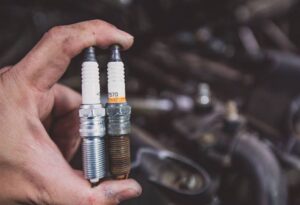
The material used for a spark plug’s electrode is the biggest factor determining how long should spark plugs last. Different materials offer varying durability and conductivity, directly impacting their longevity and cost. Here are the main types you’ll encounter:
Copper Spark Plugs
- Material: These are the traditional choice, featuring a copper core electrode. Copper conducts electricity excellently but is relatively soft.
- Lifespan: Copper spark plugs require the most frequent replacement, typically every 30,000 to 50,000 miles.
- Best For: Older vehicles or specific high-performance engines that benefit from copper’s superior conductivity but need regular changes.
- Cost: Generally the most affordable option.
Platinum Spark Plugs
- Material: Platinum is much harder than copper, resisting wear more effectively.
- Single Platinum: Has a platinum disc on the center electrode.
- Double Platinum: Features platinum discs on both the center and ground electrodes, significantly extending lifespan.
- Lifespan: Single platinum plugs typically last around 60,000 to 80,000 miles. Double platinum plugs can last between 80,000 to 100,000 miles.
- Best For: Many modern vehicles, especially those with distributor-less ignition systems (DIS) that fire plugs twice per engine cycle.
- Cost: More expensive than copper but offer better value per mile due to their longer life.
Iridium Spark Plugs
- Material: Iridium is one of the densest and hardest metals, surpassing platinum. This allows for an extremely fine electrode tip, enhancing ignition efficiency and durability.
- Lifespan: Iridium spark plugs are longevity champions, often lasting 100,000 miles, and sometimes even 120,000 miles or more.
- Best For: Most new vehicles come equipped with iridium plugs due to their superior durability, performance, and extended service intervals.
- Cost: Typically the most expensive upfront, but their extended lifespan usually makes them the most economical choice over time.
So, when you’re asking how long should spark plugs last, always consider the material type. Your car’s owner’s manual will specify the original type and recommended replacement interval.
Beyond the Numbers: Real-World Factors Influencing Longevity
While spark plug type provides a good baseline for how long should spark plugs last, actual mileage isn’t the sole determinant. Several real-world factors can significantly impact their lifespan. Think of it like comparing the wear on shoes based on walking in the city versus hiking rough trails!
Driving Habits
- Stop-and-Go vs. Highway Driving: Frequent short trips or heavy city driving (lots of stopping and starting) stress your spark plugs more. Constant temperature fluctuations and increased carbon buildup are common. Highway driving, with consistent engine speeds, is generally less demanding.
- Aggressive Driving: Constantly accelerating hard and running your engine at higher RPMs means your spark plugs work harder and hotter, accelerating wear.
Engine Condition and Health
- Oil Leaks: Oil seeping into the combustion chamber can foul spark plugs, impairing their ability to spark properly and shortening their life considerably.
- Improper Fuel Mixture: An engine running too rich (excess fuel) or too lean (insufficient fuel) can lead to carbon deposits or overheating, both damaging to spark plug health.
- Faulty Ignition System Components: Issues with ignition coils or wires can put undue stress on spark plugs, leading to premature failure.
Fuel Quality
Using lower-quality or contaminated fuel can cause more deposits on your spark plugs, affecting their performance and shortening their lifespan. While modern fuel systems are robust, consistently poor fuel can take a toll. Choosing reputable gas stations and using recommended octane levels help maintain plug health.
Considering these factors helps you better answer “how long should spark plugs last” for your specific vehicle and driving style. It’s not just about the odometer reading, but the overall journey your car has taken.
Listen to Your Car: Clear Signs of Worn-Out Spark Plugs
Your car often gives clear signals when something is amiss, and worn-out spark plugs are no exception. Paying attention to these symptoms can alert you it’s time for an inspection, even if you haven’t hit the manufacturer’s recommended mileage for how long should spark plugs last.
Common Symptoms of Failing Spark Plugs:
- Rough Idle: If your car vibrates more than usual when idling, especially at a stop, it could indicate a misfiring cylinder from a weak spark plug.
- Engine Misfires or Hesitation: A classic sign. You might feel a noticeable “hiccup” or stumble from the engine during acceleration or even at steady speeds.
- Reduced Fuel Economy (MPG): One of the most common and frustrating symptoms. Inefficiently ignited fuel means more waste, leading to more frequent trips to the gas pump. This directly impacts how long spark plugs last for optimal MPG.
- Slow Acceleration or Lack of Power: Does your car feel sluggish when you try to speed up? Worn plugs mean less power is generated in each combustion cycle.
- Difficulty Starting the Car: If your engine cranks longer than usual before starting, particularly in cold weather, it might be struggling for that initial spark.
- Check Engine Light: In many modern vehicles, a failing spark plug or a persistent misfire will trigger your “Check Engine” light. Always address this light promptly.
Ignoring these signs doesn’t just make driving less pleasant; it can lead to more serious and expensive engine damage. So, when these issues arise, don’t just wonder how long should spark plugs last – investigate!
Making the Change: DIY or Professional Maintenance Tips
Once you’ve determined your spark plugs need attention, either by mileage or symptoms, you’ll decide on the next steps. Replacing spark plugs can be a rewarding DIY project for some, but for others, it’s best handled by professionals.
When to Consider DIY:
- Accessibility: If your spark plugs are easily accessible, often located on top of the engine under coil packs, it might be a feasible DIY task.
- Tools: You’ll need a spark plug socket, a ratchet, an extension, and, critically, a torque wrench for proper installation.
- Confidence & Research: If you’re comfortable with basic car maintenance, have researched your specific car’s procedure (YouTube is a great resource!), and understand the risks, you can proceed.
- Essential Extras: Don’t forget anti-seize compound for plug threads (prevents seizing) and dielectric grease for the spark plug boot (protects against moisture and ensures good electrical connection).
When to Call a Professional:
- Difficult Access: Many modern engines (especially V6s or V8s) have spark plugs buried deep under intake manifolds or in tight spaces, requiring special tools or significant engine disassembly.
- Lack of Experience/Tools: If you’re unsure, lack the correct tools (especially a torque wrench), or simply don’t have the time, a professional mechanic is your safest bet.
- Risk of Damage: Attempting to remove seized or overtightened plugs can strip cylinder head threads or break plugs, leading to very expensive repairs. Professionals have the experience and tools to mitigate these risks.
- Warranty Concerns: Some car warranties require professional service for specific maintenance items.
Regardless of who does the work, always ensure the correct type of spark plug is used for your vehicle, as specified by the manufacturer. Using the wrong plug can negatively affect performance and potentially damage your engine. Proper installation and using the right components are key to ensuring how long should spark plugs last effectively after replacement.
Crucially, use a torque wrench to tighten new spark plugs to the manufacturer’s specified torque. Overtightening can strip threads or damage the plug, while undertightening can cause them to loosen and overheat. This attention to detail ensures your new spark plugs perform optimally and last their full intended lifespan.
Summary of Spark Plug Lifespan by Type
| Spark Plug Type | Typical Lifespan (Miles) | Key Characteristic |
|---|---|---|
| Copper | 30,000 – 50,000 | Excellent conductivity, lowest cost, shortest lifespan. |
| Platinum (Single/Double) | 60,000 – 100,000 | Good durability, good performance, mid-range cost. |
| Iridium | 100,000 – 120,000+ | Highest durability, superior performance, highest initial cost, longest lifespan. |
This table offers a clear overview, but remember these are averages. Your driving conditions and engine health significantly influence whether your spark plugs reach the higher or lower end of these estimates. It reinforces why understanding how long should spark plugs last isn’t just a number, but a combination of factors.
Conclusion: Keeping Your Spark Plugs (and Your MPG) Happy
We’ve journeyed through the world of spark plugs, from their vital role in your engine to the intricate details of their materials and the factors influencing their longevity. Asking “how long should spark plugs last” is more than a simple question; it’s a doorway to understanding better car care and enjoying a more efficient, reliable ride.
The bottom line? While general guidelines exist based on spark plug material, the true answer for how long should spark plugs last for your car lies in a combination of factors: your vehicle’s manufacturer recommendations, your personal driving habits, and your engine’s overall health. Paying attention to those subtle cues your car gives you – a rough idle, a dip in MPG, slower acceleration – can save you significant headaches and expenses down the road.
Prioritizing regular maintenance, including timely spark plug replacement, isn’t just about preventing breakdowns. It’s about maximizing your fuel economy, maintaining peak engine performance, and ensuring a smoother, more enjoyable driving experience. So go ahead, consult your owner’s manual, listen to your car, and give those little spark plug heroes the attention they deserve. Your engine (and your wallet) will definitely thank you for it!
Frequently Asked Questions
How long should spark plugs last in my car?
Most modern spark plugs, especially those made from platinum or iridium, are designed to last between 60,000 to 100,000 miles or even more. However, traditional copper spark plugs typically require replacement every 30,000 miles. Always refer to your vehicle’s owner’s manual for the manufacturer’s specific recommendations.
What factors influence how long spark plugs last?
Several factors can impact spark plug lifespan, including the type of spark plug material (copper, platinum, iridium), your driving habits, and the overall condition of your engine. Frequent short trips, aggressive driving, or engine issues like oil leaks can accelerate wear and reduce how long spark plugs last.
Can old spark plugs affect my car’s fuel economy (MPG)?
Absolutely. Worn-out spark plugs can lead to inefficient combustion, causing your engine to work harder and consume more fuel. Replacing old spark plugs with new ones can significantly improve your vehicle’s MPG and overall performance, helping you achieve optimal fuel efficiency.
What are the common signs that my spark plugs are going bad?
Key indicators of failing spark plugs include a rough idle, engine misfires, difficulty starting your car, or a noticeable decrease in acceleration and fuel efficiency. If you experience these symptoms, it’s a good idea to have your spark plugs inspected.
Do different types of spark plugs last for different durations?
Yes, spark plug material greatly influences their lifespan. Copper spark plugs are the most affordable but last the least (around 30,000 miles), while platinum and iridium spark plugs offer significantly longer lifespans, often exceeding 100,000 miles, due to their superior durability and resistance to wear.
Is it harmful to exceed the recommended spark plug change interval?
While your car might still run, exceeding the recommended spark plug change interval can lead to a range of issues. This includes reduced fuel efficiency, decreased engine performance, increased emissions, and potential damage to other engine components over time. It’s always best to adhere to your manufacturer’s guidelines for optimal vehicle health and to ensure your spark plugs last as intended.