You’ll be amazed to discover that a 5.7 Hemi engine utilizes a surprising 16 spark plugs—twice the number typically found in a V8. This distinctive dual-plug-per-cylinder design is a signature Hemi feature, engineered to significantly boost combustion efficiency, reduce emissions, and maximize horsepower. It’s a key reason behind the Hemi’s legendary performance and longevity.
You Won’t Believe How Many Spark Plugs in a 5.7 Hemi
Picture this: You’re chatting with a fellow car enthusiast, maybe about engine maintenance or the latest performance upgrade. The conversation drifts to V8 engines, and you proudly mention your 5.7 Hemi. Then, casually, you drop a seemingly simple question: “So, how many spark plugs do you think are in a 5.7 Hemi?” The typical answer, almost universally, is eight. After all, a V8 engine has eight cylinders, right? One plug per cylinder makes perfect sense. But here’s where the 5.7 Hemi throws a curveball that often leaves people scratching their heads.
If you’re a proud owner of a Ram, Charger, Challenger, Grand Cherokee, or any other vehicle sporting that iconic 5.7-liter Hemi engine, you might already be in on the secret. But for many, especially those new to the Hemi family or just curious about its unique engineering, the true number of spark plugs is a genuine eye-opener. It’s a design choice that sets the Hemi apart, contributing significantly to its legendary power and surprising efficiency. We’re not talking about just a few extra; we’re talking about doubling up on a fundamental engine component.
So, get ready to have your assumptions challenged. We’re about to dive deep into the fascinating world of the 5.7 Hemi’s ignition system. We’ll uncover not only the surprising answer to how many spark plugs in a 5.7 Hemi, but also the brilliant engineering reasons behind it. More importantly, we’ll discuss what this unique setup means for you as an owner, from performance benefits to maintenance considerations. Let’s pull back the curtain and reveal one of the Hemi’s best-kept secrets.
Key Takeaways
- Modern 5.7L Hemis: Have 16 spark plugs for their 8 cylinders.
- Each Hemi cylinder: Uses two spark plugs for optimal fuel ignition.
- This dual-plug system: Enhances power, fuel economy, and emission control.
- Expect 16 spark plugs: When performing a 5.7L Hemi engine tune-up.
- The twin-plug design: Is integral to the Hemi’s efficient combustion chamber.
- Don’t confuse the 5.7L: With single-plug older Hemi engine designs.
📑 Table of Contents
- The Big Reveal: How Many Spark Plugs in a 5.7 Hemi?
- Why So Many? The Genius Behind Dual Spark Plugs
- The Practical Side: Spark Plug Replacement for Your 5.7 Hemi
- Cost Considerations: Keeping Your Hemi Running Strong
- Tips for Maintaining Your 5.7 Hemi’s Ignition System
- Spark Plug Replacement Overview for 5.7 Hemi
- The Impact on Fuel Economy and Performance
- Conclusion: A Hemi’s Unique Advantage
The Big Reveal: How Many Spark Plugs in a 5.7 Hemi?
The Surprise Number
Let’s not beat around the bush any longer. If you guessed eight, you’re like most people. If you guessed sixteen, congratulations, you’re either a Hemi expert or you peeked at the title! That’s right, a 5.7 Hemi engine uses a whopping 16 spark plugs. That’s two spark plugs for every single cylinder. It’s an unusual setup, especially when compared to most other V8 engines on the market, which typically stick to the one-plug-per-cylinder convention. This design choice is fundamental to understanding the Hemi’s characteristics.
Initial Reactions and Common Misconceptions
When you tell someone that there are 16 spark plugs in a 5.7 Hemi, the reaction is almost always one of disbelief or confusion. “Are you sure?” “Why on earth would it need so many?” These are common responses, and for good reason. Most car enthusiasts are accustomed to the standard. They expect a V8 to have eight ignition coils and eight spark plugs. The idea of doubling that number can seem excessive or even unnecessary at first glance. However, this isn’t an engineering oversight; it’s a deliberate and highly effective design feature that underpins the Hemi’s performance and efficiency.
Why So Many? The Genius Behind Dual Spark Plugs
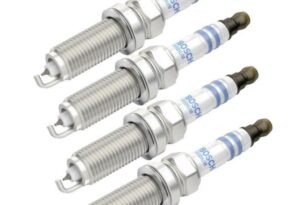
The decision to put two spark plugs in each cylinder of the 5.7 Hemi is a stroke of engineering brilliance. It’s not about redundancy; it’s about optimizing the combustion process in a way that single-plug setups simply cannot achieve. This advanced ignition system is a core reason why the Hemi delivers such impressive power while also meeting stringent emissions standards.
Improving Combustion Efficiency
Imagine trying to light a bonfire with a single match in one spot. It works, but it takes time for the flames to spread. Now imagine lighting it with two matches on opposite sides. The fire ignites faster and burns more completely. This analogy perfectly illustrates the principle behind dual spark plugs in the 5.7 Hemi. With two ignition points per cylinder, the air-fuel mixture ignites almost simultaneously from two different locations. This creates a much faster and more complete burn within the hemispherical combustion chamber. A more complete burn means more energy extracted from the fuel, translating directly into better performance.
Reducing Emissions
A more complete and efficient burn has another significant advantage: reduced emissions. When fuel doesn’t burn completely, it produces more unburnt hydrocarbons and other pollutants that are harmful to the environment. By ensuring a thorough combustion process, the Hemi’s dual-plug system dramatically lowers the output of these undesirable gases. This is a critical factor for modern engines, which must balance power with environmental responsibility. The 5.7 Hemi achieves this balance partly through its innovative ignition system.
Enhancing Performance and Smoothness
Beyond efficiency and emissions, the dual spark plug setup also contributes to the Hemi’s overall performance feel. The rapid and uniform flame propagation leads to a smoother, more stable idle. It also helps deliver a more responsive throttle feel throughout the RPM range. You experience less engine vibration and a more consistent power delivery. This attention to detail in the combustion process is part of what gives the 5.7 Hemi its characteristically robust and refined operation.
The Hemi’s Legacy and Innovation
The “Hemi” name itself comes from the hemispherical shape of the combustion chambers. This design, while historically excellent for performance, can sometimes be challenging for complete fuel burn with a single ignition point due to its large volume. By employing two spark plugs per cylinder, engineers effectively overcame this challenge. They maximized the benefits of the Hemi’s unique head design, ensuring that every drop of fuel is used as effectively as possible. It’s a modern twist on a classic, powerful engine architecture.
The Practical Side: Spark Plug Replacement for Your 5.7 Hemi
Knowing how many spark plugs in a 5.7 Hemi exist is one thing; actually replacing them is another. While the dual-plug system offers significant benefits, it does mean that routine maintenance tasks like spark plug replacement are a bit more involved than on a conventional V8.
What to Expect During a Change
When it’s time for new spark plugs, remember you’ll be dealing with double the usual number. This means more time, more effort, and potentially more fiddly bits to access. Some of the plugs are easily accessible, but others, particularly on the passenger side near the firewall, can be a real test of patience and require specific universal joint sockets or extensions. It’s not just 16 plugs; it’s also 16 ignition coils (one for each plug) that you’ll be removing and reinstalling, even if you’re not replacing the coils themselves.
When to Change Them (Maintenance Schedule)
The good news is that spark plugs in modern engines, including the 5.7 Hemi, are designed for longevity. While older vehicles might have required changes every 30,000 miles, many newer Hemi engines recommend intervals closer to 60,000 to 100,000 miles. Always check your vehicle’s owner’s manual for the exact recommended service interval for your specific year and model. Ignoring this maintenance can lead to reduced fuel economy, misfires, loss of power, and even catalytic converter damage over time.
DIY vs. Professional: Making the Call
Replacing the spark plugs on a 5.7 Hemi can be a rewarding DIY project for the mechanically inclined. You can save on labor costs and gain a deeper understanding of your engine. However, it requires a good set of tools, patience, and a comfortable level of mechanical aptitude. Crucially, using the correct torque specifications for installation is vital to prevent stripping threads or overtightening. If you’re not comfortable reaching into tight spaces, lack the proper tools, or simply don’t have the time, taking your Hemi to a qualified professional is always a wise choice. They have the experience and specialized tools to get the job done right.
Cost Considerations: Keeping Your Hemi Running Strong
The increased number of spark plugs naturally affects the cost of replacement. It’s an investment in your engine’s health and performance, but it’s good to be prepared.
Parts Cost: Doubling Up
Logically, buying 16 spark plugs will cost more than buying eight. The price per plug can vary significantly depending on the brand and type (e.g., copper, platinum, iridium). While OEM (Original Equipment Manufacturer) plugs are generally recommended for optimal performance and compatibility, reputable aftermarket brands also offer good options. Budget for roughly double the material cost you would for a conventional V8.
Labor Cost: Time is Money
Since replacing 16 plugs takes more time than replacing 8, labor costs will also be higher. A professional mechanic will charge for the additional hours required for the job. Shop rates vary widely by location and establishment, so it’s always a good idea to get a quote beforehand. Don’t let the higher cost deter you from this essential maintenance; it’s far cheaper than repairing issues caused by neglected ignition components.
Long-Term Savings and Benefits
While the upfront cost might seem a bit higher, consider the long-term benefits. Fresh spark plugs ensure your Hemi is running at peak efficiency. This translates to better fuel economy, which saves you money at the pump over time. It also prevents more serious and costly engine problems down the road, such as damaged catalytic converters or excessive wear on other engine components due to poor combustion. Think of it as preventative medicine for your powerful Hemi.
Tips for Maintaining Your 5.7 Hemi’s Ignition System
Taking care of your 5.7 Hemi’s ignition system is key to its longevity and performance. Here are some actionable tips to ensure it stays in top shape.
Choosing the Right Plugs
Always refer to your owner’s manual for the recommended spark plug type and heat range. Using the wrong type can negatively impact performance, fuel economy, and engine longevity. Most Hemi engines typically use platinum or iridium plugs, which offer extended life. Stick with reputable brands, and if in doubt, OEM plugs are always a safe bet. Ensure the gap is correct, although most modern plugs come pre-gapped for your specific application.
Inspecting Ignition Coils and Wires
While you’re replacing the spark plugs, it’s an excellent opportunity to inspect the ignition coils (also called coil-on-plug modules) for any signs of cracking, oil leaks, or discoloration. While not always necessary to replace them with every spark plug change, if you notice any issues or your engine has high mileage, consider replacing any suspect coils to avoid future misfires. The 5.7 Hemi uses coil-on-plug design, so there aren’t traditional spark plug wires.
Listening to Your Engine
Your Hemi will tell you when its spark plugs are getting tired. Symptoms like a rough idle, hesitation during acceleration, decreased fuel economy, or a general lack of power are all indicators that it might be time for a spark plug inspection or replacement. Don’t ignore these warning signs; addressing them promptly can prevent further issues.
Regular Maintenance Schedule
Remember that the ignition system is just one part of your engine’s overall health. Sticking to your vehicle’s regular maintenance schedule for oil changes, air filter replacements, and other fluid checks will contribute to a healthy engine that allows your spark plugs to perform their best. A clean air filter, for example, ensures the correct air-fuel mixture, reducing strain on the ignition system.
Spark Plug Replacement Overview for 5.7 Hemi
Here’s a quick overview of what goes into a 5.7 Hemi spark plug replacement, highlighting the unique aspects compared to a standard V8.
| Feature | Standard V8 (8 Cylinders) | 5.7 Hemi V8 (8 Cylinders) |
|---|---|---|
| Number of Spark Plugs | 8 | 16 |
| Number of Ignition Coils | 8 | 16 |
| Typical Replacement Interval | 30,000 – 100,000 miles | 60,000 – 100,000 miles (check manual) |
| Estimated Labor Time (DIY) | 2-4 hours | 4-8 hours (can be more for first-timers) |
| Parts Cost (Plugs Only) | $30 – $80 (for 8 plugs) | $60 – $160 (for 16 plugs) |
| Key Benefit of Design | Simplicity, common design | Improved combustion, efficiency, reduced emissions, power |
The Impact on Fuel Economy and Performance
The sophisticated ignition system in the 5.7 Hemi, with its two spark plugs per cylinder, isn’t just a quirky design choice; it fundamentally enhances how the engine operates. This translates directly into tangible benefits you experience every time you drive.
How Dual Plugs Boost MPG
We’ve discussed how two plugs create a more complete burn. This efficiency directly impacts your wallet at the gas pump. When fuel burns more thoroughly, less is wasted. This results in better miles per gallon (MPG) compared to what the engine might achieve with a less efficient single-plug setup, especially given its displacement and power output. A well-maintained 5.7 Hemi with fresh spark plugs will consistently deliver its best possible fuel economy, making those long hauls a little less painful.
Unlocking Maximum Horsepower
Efficient combustion isn’t just about saving fuel; it’s also about extracting every ounce of power from each power stroke. The rapid, complete burn generated by the dual spark plugs allows the 5.7 Hemi to produce impressive horsepower and torque figures. The engine can respond more quickly and powerfully to throttle inputs. This is why the Hemi is so renowned for its authoritative acceleration and towing capabilities. It’s not just about displacement; it’s about how effectively that displacement is utilized.
Signs of Worn Plugs
As spark plugs age, their electrodes wear down, and their ability to generate a strong, consistent spark diminishes. In a 5.7 Hemi, this can lead to several noticeable symptoms. You might experience a noticeable drop in fuel economy as the engine struggles to burn fuel efficiently. Power output can decrease, making your vehicle feel sluggish. A rough idle, misfires, or hesitation during acceleration are also common tell-tale signs. Addressing these issues by replacing worn spark plugs promptly will restore your Hemi’s full potential and keep it running smoothly.
Conclusion: A Hemi’s Unique Advantage
So, the secret is out! There are indeed 16 spark plugs in a 5.7 Hemi engine. This seemingly unusual design choice is far from arbitrary; it’s a testament to clever engineering aimed at maximizing performance, optimizing fuel efficiency, and minimizing emissions. It’s a key feature that allows the Hemi to be both a muscle-bound powerhouse and a surprisingly refined, environmentally conscious engine.
As a 5.7 Hemi owner, understanding this unique aspect of your engine is crucial. While it means a slightly more involved (and potentially costlier) spark plug replacement process, the benefits far outweigh the minor inconvenience. You’re investing in an ignition system that delivers superior combustion, smoother operation, and the robust power that Hemis are famous for. It’s part of what makes your Hemi, well, a Hemi.
Embrace the unique engineering under your hood. Regular, diligent maintenance of those 16 spark plugs will ensure your 5.7 Hemi continues to roar with efficiency and power for many miles to come. You now know the secret, and you can appreciate the intricate design that makes your ride truly exceptional. Keep those plugs fresh, and your Hemi will reward you with exhilarating performance and reliability.
Frequently Asked Questions
How many spark plugs does a 5.7 Hemi engine actually have?
Prepare for a surprise! The 5.7 Hemi engine is designed with two spark plugs per cylinder. Since it’s an 8-cylinder engine, that means a grand total of 16 spark plugs are firing away under your hood.
Why does the 5.7 Hemi use 16 spark plugs instead of the usual 8?
The dual spark plug design in the 5.7 Hemi is for improved combustion efficiency and reduced emissions. Having two plugs ignite the fuel-air mixture simultaneously creates a more complete and faster burn, leading to better power output and fuel economy.
Is changing the spark plugs on a 5.7 Hemi a difficult DIY task?
While it might seem daunting due to the sheer number of plugs, changing them on a 5.7 Hemi is generally manageable for a DIY mechanic with some experience. The rear bank of cylinders can be a bit tricky to access, requiring patience and the right extensions.
What type of spark plugs are recommended for a 5.7 Hemi?
For optimal performance and longevity, it’s highly recommended to use the OEM (Original Equipment Manufacturer) specified spark plugs for your 5.7 Hemi. These are typically iridium or platinum plugs designed to meet the engine’s specific requirements. Always consult your vehicle’s owner’s manual.
How often should I replace the spark plugs in my 5.7 Hemi?
The recommended replacement interval for the spark plugs in a 5.7 Hemi typically ranges from 30,000 to 100,000 miles, depending on the year and model of your vehicle and the type of plugs installed. High-quality iridium plugs often have longer service lives. Refer to your vehicle’s maintenance schedule for the most accurate information.
Are any special tools required for replacing 5.7 Hemi spark plugs?
Beyond standard socket wrenches and extensions, you’ll benefit from a universal joint and possibly a swivel spark plug socket, especially for the tighter spots on the rear cylinders. A torque wrench is also crucial to ensure the new plugs are tightened to the manufacturer’s specifications, preventing damage or loosening.