The average fuel filter replacement typically costs between $50 and $200, though this can vary significantly based on your vehicle’s make, model, and whether you opt for DIY or professional service. While the fuel filter part itself is often quite affordable, labor charges frequently account for the larger portion of the total expense, especially for more complex installations. Investing in timely replacement is crucial for engine health, preventing costly issues down the line.
How Much Does a Fuel Filter Cost Your Ultimate Guide
Ever wondered about the fuel filter cost? It’s a super common question, and honestly, it varies a lot! Generally, you’re looking at $30 to $150 for the part itself. If you get it installed by a pro, labor might add another $60 to $200. So, expect a total range of $80 to $350. Let’s break down what influences that number so you know exactly what to expect.
How Much Does a Fuel Filter Cost, and What Factors Influence It?
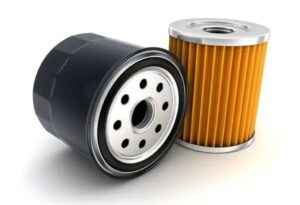
Okay, let’s get into the nitty-gritty of the fuel filter cost. From my own experience, it’s not a one-size-fits-all answer. Imagine you’re planning a road trip; the total expense depends on your car, your route, and whether you pack your own snacks or eat out. The same goes for replacing your fuel filter!
The Fuel Filter Part Itself: What Are We Talking About?
First up is the actual filter. The price here can swing pretty widely. For most everyday cars, you’re looking at:
- Aftermarket Filters: These are usually the most budget-friendly option. They work great and often cost between $20 and $60. I’ve used these many times and had no issues.
- Original Equipment Manufacturer (OEM) Filters: These come directly from your car’s manufacturer. They’re designed specifically for your vehicle. Expect to pay a bit more, typically $50 to $100, sometimes even up to $150 for luxury or specialty vehicles.
The type of car you drive makes a huge difference. A small sedan’s filter will almost always be cheaper than one for a heavy-duty truck or a fancy sports car. Think about a regular coffee versus a fancy latte – same function, different price tag!
Labor Costs: Paying for Expertise
If you’re not a DIY enthusiast (and many of us aren’t!), you’ll need to factor in labor. This is where the fuel filter cost can really add up. Mechanics charge an hourly rate. Replacing a fuel filter can take anywhere from 30 minutes to a couple of hours. Why the big range?
- Accessibility: Some filters are easy to reach. Maybe they’re under the hood or near the fuel tank opening. Others are tucked away. This makes them a real headache to get to. My old SUV had it under the back seat – surprisingly easy!
- Shop Rates: Where you live and the type of shop you go to matter. A dealership will almost always charge more per hour than an independent local mechanic. Shop rates can range from $60 to $150 per hour.
So, for labor alone, you might be looking at $60 to $200. Add that to the part cost. A professional fuel filter replacement typically lands between $80 and $350. My friend recently paid about $200 for his sedan. I thought that was a fair price.
DIY: Saving Money (But Knowing the Risks)
Can you save on fuel filter cost by doing it yourself? Absolutely! If you’re comfortable with basic car maintenance, changing a fuel filter isn’t super complicated for many vehicles. You’ll just pay for the part and maybe some basic tools. Think wrenches, a drain pan, and safety glasses. I tackled mine last year. It saved me a good $100 in labor. Just remember to relieve fuel pressure first. And handle gasoline safely – it’s flammable, after all! Always check your car’s service manual for specific instructions.
When to Consider Replacing It (and Why It Matters)
You might wonder, “Why even bother with this fuel filter cost?” Well, your fuel filter is like your car’s kidney. It cleans impurities from your gas before they reach your engine. If it gets clogged, your car can suffer. You might notice:
- Engine sputtering or stalling, especially at higher speeds.
- Reduced engine power or acceleration.
- Difficulty starting your car.
- Your “Check Engine” light might even come on!
Replace it when recommended. This is often every 20,000 to 60,000 miles. Always check your owner’s manual! Replacing it, or acting on symptoms, saves you bigger, more expensive problems later. Trust me, a new fuel pump or injector cleaning costs way more than a fuel filter!
So, while the fuel filter cost can vary, understanding these factors helps you budget and make smart choices. Don’t let a small filter turn into a big headache!
Ultimately, knowing the potential fuel filter cost empowers you. Whether you go the DIY route or head to a trusted mechanic, this small but mighty part is crucial for your car’s health. Keep it clean, and your engine will thank you with smooth, reliable performance for miles to come!