You might be surprised to learn that a typical automotive oil filter holds a relatively small but significant amount of oil, often between 0.2 to 0.5 quarts (0.2-0.5 liters). This seemingly minor capacity is crucial during an oil change, as it contributes to your engine’s total oil volume and must be considered to ensure proper lubrication without overfilling. Accounting for this “hidden” oil is essential for accurate fluid levels and preventing potential issues.
You Won’t Believe How Much Oil Does An Oil Filter Hold
Hey there, fellow car enthusiast! Have you ever found yourself under your car, oil pan draining, wondering about that small, cylindrical canister you’re about to replace? It’s your oil filter, and it plays a huge role in keeping your engine happy. But have you ever stopped to think about exactly how much oil it actually holds? It’s a surprisingly common question, and I’m here to tell you that an oil filter usually holds a fairly small amount – typically between 0.25 to 0.75 quarts (or about 0.2 to 0.7 liters) of oil. It might not sound like much, but understanding this little detail can make your next oil change smoother and help you take better care of your engine.
I remember the first time I changed my own oil; I was so focused on getting the drain plug back in and the new oil poured that I barely gave the filter a second thought beyond screwing it on. But over the years, I’ve learned that even the small things, like understanding the capacity of your oil filter, contribute to a job well done.
So, exactly how much oil does an oil filter hold, and why does it matter?
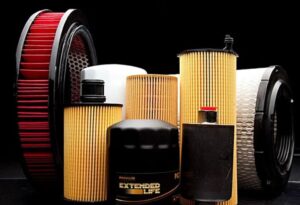
As I mentioned, an oil filter’s capacity is generally in the range of 0.25 to 0.75 quarts. Think of it like a small can of soda, give or take. The exact amount can vary quite a bit depending on the size of your engine, the make and model of your car, and even the specific filter design. A compact sedan’s filter will naturally hold less than one designed for a large truck or SUV. The filter’s job isn’t to store oil, of course; it’s to tirelessly trap contaminants like dirt, metal particles, and sludge, preventing them from circulating through your engine’s vital components. It’s truly your engine’s unsung hero!
Understanding how much oil an oil filter holds becomes important for a couple of reasons. First, when you’re doing an oil change, this volume is extra oil that isn’t immediately accounted for in your engine’s sump. So, when you add new oil, you need to remember that a portion of it will quickly fill the new filter as soon as the engine starts. This is why you should always add the recommended amount of oil, start the engine for a minute, then shut it off and check the dipstick again after a few minutes to allow the oil to settle.
A little tip I picked up years ago, which sparked my initial curiosity about this topic, is whether to “pre-fill” the new oil filter. Pre-filling means pouring some fresh oil into the filter before screwing it onto the engine. For most cars, especially those with vertically mounted filters, I personally find this a good practice. It minimizes the time your engine runs with potentially less oil pressure on startup, since the filter bowl is already full. This reduces wear during those critical first few seconds after an oil change. However, if your filter mounts horizontally or upside down, pre-filling can get messy or even impossible without spilling. In those cases, don’t worry about it; the oil pump will quickly fill it once the engine starts.
It’s also crucial not to overfill your engine with oil, thinking you need to compensate for the filter’s capacity. Your car’s manual will tell you the *total* oil capacity, which already accounts for the filter. So, trust the manual! Overfilling can cause oil to foam, leading to reduced lubrication and potential damage to seals and other engine components. Always aim for the “full” mark on your dipstick, but never beyond it. Remember, the goal isn’t to see how much oil an oil filter holds by eye, but to ensure the entire system has the correct amount.
In my experience, whether you pre-fill or not, the most critical step after an oil change is always to start the engine, let it run briefly, then shut it off and let the oil settle for 5-10 minutes before checking the dipstick. This allows the new filter to completely fill up, giving you an accurate reading. It’s a simple check that can prevent a lot of headaches down the road. The amount of oil the filter holds might be small, but its role in your engine’s health is undeniably huge.
So, the next time you’re tackling an oil change, remember that little filter isn’t just a place for oil to pass through – it temporarily holds a small, but vital, amount of fresh oil, ready to be put to work protecting your engine. Understanding these small details makes us better, more confident car owners.