Spark plugs typically require replacement every 30,000 to 100,000 miles, a crucial range dependent on your vehicle, plug type, and driving conditions. Adhering to this schedule is paramount for optimal engine health, maximum fuel efficiency, and consistent performance. Always consult your owner’s manual for the precise service interval recommended for your specific car.
Hey there, fellow car enthusiast (or just someone who wants their car to run smoothly)! Have you ever found yourself wondering about the little things under the hood that make your ride go? Things like, “how often are spark plugs replaced?” It’s a common question, and honestly, it’s one of those maintenance tasks that often gets overlooked until there’s a problem. But trust me, paying attention to your spark plugs is like giving your car a daily dose of vitamins – essential for its overall well-being.
I remember a time when my old sedan started feeling sluggish. It wasn’t quite right, you know? Like it was trying to tell me something but I wasn’t listening. The gas mileage was dropping, and starting it up in the mornings felt like a gamble. Turns out, it was just old, worn-out spark plugs crying out for attention. Once they were replaced, it was like driving a brand new car again! That experience really hammered home just how crucial these small components are.
So, let’s dive in and demystify the world of spark plugs. We’ll explore not just how often are spark plugs replaced, but also why they’re so important, what signs to look for, and how you can ensure your engine stays happy and healthy for years to come. Think of this as our friendly chat about keeping your car in tip-top shape without getting overwhelmed by technical jargon.
Key Takeaways
- Consult your owner’s manual: Find exact replacement intervals for your vehicle.
- Monitor engine performance: Rough idle or misfires signal worn plugs.
- High-mileage plugs last: Platinum/iridium plugs offer extended replacement cycles.
- Copper plugs need frequent changes: Replace traditional copper plugs more often.
- Timely replacement boosts efficiency: Optimal plugs ensure peak fuel economy and power.
- Don’t ignore symptoms: Worn plugs can lead to costly engine damage.
- Proactive maintenance saves money: Regular changes prevent larger issues down the road.
📑 Table of Contents
- The Vital Role of Spark Plugs in Your Engine
- Understanding Spark Plug Lifespan: It’s Not One-Size-Fits-All
- Common Spark Plug Types and Their Replacement Intervals
- Spotting the Signs: When Your Spark Plugs Need Attention
- The “How-To” of Spark Plug Replacement: DIY or Pro?
- The Cost of Neglect vs. Proactive Maintenance
The Vital Role of Spark Plugs in Your Engine
Before we talk about replacement intervals, let’s quickly chat about what spark plugs actually do. They’re tiny, but mighty!
What Exactly Do Spark Plugs Do?
Imagine your car’s engine as a perfectly choreographed dance of moving parts. For that dance to happen, you need an ignition source. That’s where spark plugs come in. They create a tiny, controlled spark that ignites the air-fuel mixture in your engine’s combustion chambers. This ignition is what generates the power that moves your car forward. Without a strong, consistent spark, that dance quickly turns into a clumsy shuffle.
Why Their Health Matters for Your Drive
When spark plugs are healthy, they provide a powerful, reliable spark every single time, leading to efficient combustion. This means your engine runs smoothly, delivers optimal power, and consumes fuel efficiently. On the flip side, old or fouled spark plugs can lead to a whole host of problems: reduced power, poor acceleration, engine misfires, and even increased emissions. Essentially, the answer to how often are spark plugs replaced directly impacts your daily driving experience and your wallet at the gas pump.
Understanding Spark Plug Lifespan: It’s Not One-Size-Fits-All
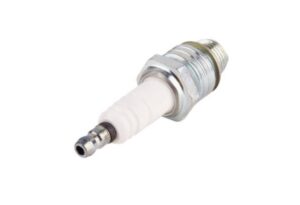
This is where the “how often” question gets a bit nuanced. There’s no universal answer, as several factors influence a spark plug’s lifespan.
The Impact of Spark Plug Material
Not all spark plugs are created equal! Their primary electrode material plays a huge role in their durability and recommended replacement schedule. We’ll explore this more in the next section, but generally, copper plugs wear out faster than platinum or iridium plugs.
Vehicle Manufacturer Recommendations Are Key
The most important place to start is always your car’s owner’s manual. Your car’s manufacturer has specific recommendations for how often are spark plugs replaced for your particular make and model. These recommendations take into account the type of spark plugs installed at the factory and the engine’s design. Sticking to this schedule is always the best policy.
Driving Habits and Environmental Factors
How you drive and where you drive also play a role. If you frequently drive in stop-and-go traffic, perform a lot of short trips, or drive in extreme temperatures, your spark plugs might experience more wear and tear than someone who primarily does long highway drives. Consistent heavy loads or towing can also contribute to earlier wear. These factors can subtly influence how often are spark plugs replaced for your specific vehicle.
Common Spark Plug Types and Their Replacement Intervals
Let’s break down the different types of spark plugs you might find and their typical lifespans. This will give you a clearer idea of when to expect to replace them.
Copper Spark Plugs: The Traditional Choice
Copper spark plugs have a copper core electrode, which is an excellent conductor of electricity. They are usually the most affordable option. However, copper is a softer metal and wears down relatively quickly. They require a larger diameter center electrode to be durable enough, meaning a less focused spark. You’ll typically find these in older vehicles or those not designed for high-performance use.
- Typical lifespan: Every 20,000 to 40,000 miles.
Platinum Spark Plugs: A Step Up
Platinum spark plugs feature a platinum disc welded to the center electrode. Platinum is harder and more resistant to wear than copper, allowing for a finer wire electrode which provides a more efficient spark. This increased durability means they last significantly longer than copper plugs.
- Typical lifespan: Every 60,000 to 80,000 miles.
Iridium Spark Plugs: The Long-Lasting Performers
Iridium spark plugs are currently the top-tier option. Iridium is one of the hardest metals, making these plugs extremely durable and able to withstand very high temperatures. They feature an incredibly fine wire center electrode, which provides the most concentrated and efficient spark. Many modern vehicles come with iridium spark plugs installed from the factory because of their extended lifespan and superior performance.
- Typical lifespan: Every 80,000 to 120,000 miles, and sometimes even longer.
Here’s a quick overview to help you remember:
| Spark Plug Type | Primary Material | Typical Replacement Interval |
|---|---|---|
| Copper | Copper alloy center electrode | 20,000 – 40,000 miles |
| Platinum | Platinum disc on center electrode | 60,000 – 80,000 miles |
| Iridium | Iridium center electrode | 80,000 – 120,000+ miles |
Spotting the Signs: When Your Spark Plugs Need Attention
Even if you know how often are spark plugs replaced according to the manual, sometimes they can wear out sooner or develop issues. Being aware of these common symptoms can save you from bigger problems down the road.
Engine Misfires or Rough Idling
This is one of the most common signs. If your engine feels like it’s shaking, hesitating, or running unevenly, especially when you’re stopped at a red light, it could be a sign that one or more spark plugs are failing to ignite the fuel properly. It feels like a little hiccup or stutter.
Difficulty Starting Your Car
A weak spark can make it harder for your engine to “catch” and start up. If you find yourself cranking the engine longer than usual, or it sounds like it’s struggling to turn over, worn spark plugs might be the culprit. I definitely experienced this with my old sedan before I learned about how often are spark plugs replaced!
Poor Fuel Economy
When spark plugs aren’t firing efficiently, your engine has to work harder to produce the same amount of power. This extra effort means it’s consuming more fuel than it should. If you notice yourself filling up at the gas station more frequently, it’s worth checking your spark plugs.
Sluggish Acceleration
Do you feel like your car just doesn’t have the “oomph” it used to? If acceleration feels noticeably slower or less responsive, especially when merging onto a highway or passing another vehicle, tired spark plugs could be limiting your engine’s power output.
Check Engine Light Illumination
Your car’s onboard diagnostic system (OBD-II) is pretty smart. If it detects a persistent misfire or other ignition problems, it will often trigger the check engine light on your dashboard. While this light can indicate many issues, worn spark plugs are a frequent cause. Getting the code read can confirm if this is the problem.
The “How-To” of Spark Plug Replacement: DIY or Pro?
Once you’ve determined that your spark plugs need replacing, the next question is, should you do it yourself or take it to a professional?
When to Consider DIY Replacement
If you’re comfortable working on cars, have the right tools (a spark plug socket, torque wrench, and gap gauge are essential), and your car’s spark plugs are easily accessible, replacing them yourself can be a rewarding and money-saving project. For some older vehicles, it’s a relatively straightforward task. However, it’s crucial to follow your car’s service manual precisely, especially regarding torque specifications and proper gapping, to avoid damaging your engine.
Benefits of Professional Service
For many people, taking their car to a trusted mechanic for spark plug replacement is the best option. Modern engines can be quite complex, with spark plugs often hidden under intake manifolds or coil packs, making them difficult to access. A professional mechanic has the specialized tools, experience, and knowledge to do the job correctly, efficiently, and without causing accidental damage. They can also inspect other related components, like ignition coils, which might need attention.
Essential Tips for Spark Plug Longevity
- Follow manufacturer recommendations: This is truly the golden rule for how often are spark plugs replaced.
- Use the correct spark plug type: Always replace with the type recommended by your car’s manufacturer (e.g., if it came with iridium, replace with iridium).
- Address engine issues promptly: Don’t ignore symptoms like misfires; they can lead to premature spark plug wear.
- Regular maintenance: Keep up with other scheduled maintenance, like oil changes and air filter replacements, as they contribute to overall engine health.
The Cost of Neglect vs. Proactive Maintenance
It might seem like a small thing, but putting off spark plug replacement can lead to significantly higher costs down the line.
Beyond the Spark Plugs: Domino Effect
Ignoring worn spark plugs can cause a chain reaction of problems. Consistent misfires can dump unburnt fuel into your exhaust system, potentially damaging expensive components like your catalytic converter. A failing catalytic converter can cost thousands to replace. Additionally, an engine struggling due to bad spark plugs can put extra strain on other parts, leading to premature wear on ignition coils, oxygen sensors, and even fuel injectors. Suddenly, that inexpensive spark plug job looks a lot more appealing than these massive repair bills.
Saving Money (and Headaches) in the Long Run
Proactive maintenance, including adhering to the recommended schedule for how often are spark plugs replaced, is an investment in your car’s future. It ensures better fuel efficiency, consistent performance, and prevents those smaller issues from escalating into major, costly repairs. Think of it as preventative medicine for your car. Spending a little now on a routine service can save you a lot of money and stress in the future, keeping your engine running optimally and your wallet happier.
So, there you have it! Understanding how often are spark plugs replaced is a key piece of the puzzle for maintaining a healthy, efficient, and reliable vehicle. It’s not just about swapping out a part; it’s about ensuring your engine’s heart beats strong and true.
Regularly checking your owner’s manual, paying attention to your car’s subtle hints, and knowing the differences between plug types will empower you to make informed decisions about your vehicle’s care. Whether you tackle the job yourself or entrust it to a professional, prioritizing spark plug maintenance means enjoying smoother drives, better fuel economy, and peace of mind knowing your car is performing at its best. Here’s to many more miles of happy, healthy driving!
Frequently Asked Questions
How often should I replace my spark plugs?
Generally, conventional copper spark plugs should be replaced every 30,000 to 50,000 miles. However, modern iridium or platinum spark plugs can last much longer, often between 60,000 to 100,000 miles, or even more in some vehicles. Always consult your car’s owner’s manual for the most accurate recommendation specific to your make and model.
What’s the typical mileage interval for spark plug replacement?
The typical mileage interval for spark plug replacement varies significantly based on the type of plug material. Copper plugs generally need changing around 30,000 miles, while platinum plugs extend this to 60,000 miles, and iridium spark plugs can last 80,000 to 100,000 miles or even more. Always refer to your vehicle’s manufacturer specifications for the precise recommended service interval.
Do all spark plugs need to be replaced at the same interval?
No, the replacement interval for spark plugs largely depends on their material composition and your vehicle’s specifications. Copper spark plugs, being less durable, require more frequent replacement than long-lasting platinum or iridium spark plugs. Your car’s owner’s manual will specify the type of spark plugs installed and their recommended service schedule.
What are the signs that my spark plugs might need replacing?
Common signs that your spark plugs need replacing include a rough idling engine, difficulty starting, decreased fuel economy, noticeable lack of acceleration, or the illumination of your check engine light. If you experience any of these symptoms, it’s a good idea to have your spark plugs inspected by a professional.
Can neglecting spark plug replacement lead to serious engine problems?
Absolutely. Worn-out spark plugs can lead to engine misfires, reduced engine power, increased harmful emissions, and significantly lower fuel efficiency. Prolonged neglect can also strain other engine components, potentially causing more expensive damage down the line, such as catalytic converter issues.
Does my car’s make and model affect how often I should replace spark plugs?
Yes, your car’s specific make, model, and year significantly influence the recommended spark plug replacement schedule. Different manufacturers use various types of spark plugs and have unique engine designs that impact their lifespan and optimal performance. Always refer to your vehicle’s owner’s manual for the most accurate and specific maintenance guidelines for your spark plugs.