The real answer to how often you need to change spark plugs isn’t a simple one-size-fits-all number; it primarily depends on your vehicle’s manufacturer recommendations and the type of spark plugs installed. While older copper plugs required changes every 20,000-40,000 miles, modern iridium or platinum plugs can last anywhere from 60,000 to an impressive 100,000+ miles. Always consult your car’s owner’s manual for the most accurate and crucial information to ensure optimal engine performance and fuel efficiency.
Ever found yourself staring at your car’s service schedule, scratching your head and wondering, “How often do I really need to change my spark plugs?” You’re not alone. It’s one of those car maintenance questions that seems simple on the surface but can quickly get complicated with different car models, driving habits, and even the type of spark plugs themselves. It feels like everyone has a different answer, from the grizzled mechanic to the friendly neighbor who tinkers in his garage.
Let’s be honest, car maintenance can feel overwhelming. We all want our vehicles to run smoothly, efficiently, and reliably, without breaking the bank. And spark plugs play a surprisingly crucial role in making that happen. They’re tiny, often overlooked components, but their health directly impacts everything from your engine’s performance to your fuel economy. Ignoring them can lead to a host of headaches and potentially costly repairs down the road.
So, let’s cut through the noise and get to the real answer. This guide will demystify the world of spark plug replacement, giving you the clear, actionable information you need to keep your car purring like a kitten. We’ll explore what these unsung heroes do, how different types affect their lifespan, the tell-tale signs they’re failing, and ultimately, how to figure out the perfect replacement schedule for your vehicle and driving style.
Key Takeaways
- Always consult your owner’s manual. It specifies the exact replacement interval.
- Modern spark plugs last longer. Expect 60,000 to 100,000+ miles for platinum/iridium.
- Copper plugs need more frequent changes. Typically every 30,000 to 50,000 miles.
- Watch for warning signs. Misfires, rough idle, or poor fuel economy indicate issues.
- Proactive replacement prevents problems. Don’t wait for complete plug failure.
- Consider driving conditions. Hard driving or towing may shorten plug life.
📑 Table of Contents
- What Do Spark Plugs Actually Do? The Engine’s Tiny Igniters
- Manufacturer’s Recommendations: Your First and Best Resource
- Types of Spark Plugs and Their Lifespans
- Signs Your Spark Plugs Are Crying for Help
- Factors That Shorten Spark Plug Life
- The Real Answer: A Blend of Recommendations and Observation
What Do Spark Plugs Actually Do? The Engine’s Tiny Igniters
Before we dive into replacement schedules, let’s quickly understand the job of a spark plug. Imagine your engine as a well-orchestrated combustion chamber. For your car to move, it needs a controlled explosion inside each cylinder. That explosion starts with a precise, high-voltage electrical spark.
The Critical Role of Spark Plugs
- Ignition: A spark plug’s primary job is to ignite the air-fuel mixture in your engine’s combustion chamber. It creates a tiny lightning bolt that starts the explosion, pushing the piston down and ultimately turning the wheels.
- Heat Transfer: Spark plugs also help transfer heat away from the combustion chamber, preventing your engine from overheating.
- Engine Performance: Healthy spark plugs ensure efficient combustion, leading to smooth idling, strong acceleration, and good fuel economy.
In essence, without properly firing spark plugs, your engine wouldn’t start, let alone run efficiently. They are fundamental to your car’s operation.
Manufacturer’s Recommendations: Your First and Best Resource
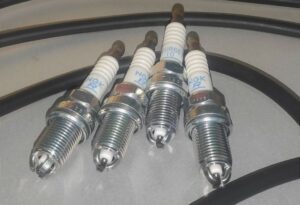
When it comes to maintenance, your car’s manufacturer is usually the most authoritative source. They designed and built your vehicle, after all! This information is readily available and should always be your first point of reference for when to change your spark plugs.
Where to Find the Information
- Owner’s Manual: Pop open your glove compartment and pull out your owner’s manual. Look for a section on “maintenance schedule” or “service intervals.” It will clearly list when major components, including spark plugs, should be inspected or replaced.
- Manufacturer’s Website: Most car manufacturers have digital versions of their owner’s manuals online. Just input your car’s year, make, and model.
- Dealership Service Department: If all else fails, a quick call to your local dealership’s service department can provide you with the specific recommendations for your vehicle.
It’s important to note that these recommendations are general guidelines for average driving conditions. They provide a solid baseline, but real-world factors can influence the actual lifespan of your spark plugs.
Types of Spark Plugs and Their Lifespans
Not all spark plugs are created equal. The material used for the electrode tip significantly impacts its durability and, consequently, how often it needs to be replaced. Understanding these differences is key to predicting your spark plug’s lifespan.
Copper Spark Plugs: The Traditional Choice
- Material: Copper core electrode, typically with a nickel-alloy coating.
- Lifespan: Generally the shortest, around 20,000 to 40,000 miles.
- Pros: Excellent conductivity, often the most affordable.
- Cons: Wear out faster due to softer material, requiring more frequent replacement. Primarily found in older vehicles or those with specific performance needs.
Platinum Spark Plugs: A Step Up
- Material: Platinum disc welded to the center electrode. Sometimes double-platinum, with platinum on both electrodes for even longer life.
- Lifespan: Significantly longer than copper, usually 60,000 to 100,000 miles.
- Pros: Better heat resistance, slower wear, ideal for modern ignition systems.
- Cons: More expensive than copper, not quite as long-lasting as iridium.
Iridium Spark Plugs: The Modern Standard
- Material: Iridium alloy on the center electrode, sometimes with platinum on the ground electrode. Iridium is one of the hardest metals.
- Lifespan: The longest-lasting, often exceeding 100,000 miles, sometimes up to 120,000 miles.
- Pros: Extreme durability, very fine electrode tip for a strong, consistent spark, improved fuel efficiency and performance. This is the common choice for many new vehicles.
- Cons: Most expensive option.
Summary Table: Spark Plug Types and Estimated Lifespan
Here’s a quick overview of what you can expect from different spark plug types:
| Spark Plug Type | Primary Electrode Material | Estimated Lifespan (Miles) |
|---|---|---|
| Copper | Copper (Nickel-alloy coated) | 20,000 – 40,000 |
| Platinum | Platinum disc | 60,000 – 100,000 |
| Iridium | Iridium alloy | 100,000 – 120,000+ |
Remember, these are estimates. Always defer to your manufacturer’s specific recommendations for the spark plugs designed for your engine.
Signs Your Spark Plugs Are Crying for Help
Your car has a way of communicating when something isn’t right. Pay attention to these common symptoms that indicate your spark plugs might be due for a change, even if you’re not at the recommended mileage yet.
Common Indicators of Worn Spark Plugs
- Engine Misfires or Rough Idling: This is one of the most common signs. If your engine feels like it’s shaking or sputtering, especially when stopped or at low speeds, a faulty spark plug might not be igniting correctly. You might hear a “stuttering” sound.
- Poor Fuel Economy: Worn spark plugs lead to inefficient combustion. This means your engine has to work harder and use more fuel to produce the same power. If you’re filling up more often, bad spark plugs could be a culprit.
- Sluggish Acceleration: Does your car feel less responsive when you press the gas pedal? If acceleration is hesitant or not as strong as it used to be, old spark plugs might be struggling to deliver the necessary power.
- Difficulty Starting the Car: If your engine cranks for a long time before finally starting, or struggles to turn over, weak or fouled spark plugs might not be providing a strong enough spark to ignite the fuel quickly.
- Check Engine Light: While the check engine light can indicate a multitude of issues, a persistent misfire caused by failing spark plugs will often trigger it. An OBD-II scanner can confirm if it’s related to ignition system faults.
- Engine Knocking or Pinging: In severe cases, worn spark plugs can cause pre-ignition or detonation, leading to a noticeable knocking or pinging sound, especially under acceleration. This is bad for your engine and should be addressed immediately.
If you notice any of these symptoms, it’s a good idea to have your spark plugs (and the rest of your ignition system) inspected by a qualified mechanic.
Factors That Shorten Spark Plug Life
Even the longest-lasting iridium spark plugs aren’t invincible. Several factors can accelerate their wear and tear, necessitating earlier replacement than the manufacturer’s recommendations.
What Can Damage Your Spark Plugs Prematurely?
- Aggressive Driving Habits: Frequent hard acceleration, sudden stops, and consistent high-RPM driving put more stress on your engine and, by extension, your spark plugs. This leads to increased heat and erosion.
- Engine Problems: Issues like oil leaks into the combustion chamber, excessive carbon buildup from rich fuel mixtures, or a failing ignition coil can prematurely foul or damage your spark plugs.
- Poor Fuel Quality: Using lower-octane fuel than recommended or consistently buying from stations with questionable fuel quality can introduce deposits that build up on the spark plug tips, hindering their performance.
- Extreme Operating Conditions: Constantly driving in stop-and-go city traffic, towing heavy loads, or operating in extremely hot or cold climates can put extra strain on your engine and its spark plugs, shortening their effective life.
- Improper Gapping: If spark plugs aren’t properly gapped (the distance between the electrodes) during installation, they won’t fire efficiently, causing premature wear. This is why it’s important to use the correct plugs and ensure proper installation.
Being aware of these factors can help you adjust your maintenance schedule. If you frequently subject your vehicle to these conditions, you might want to consider checking your spark plugs more often than the manual suggests.
The Real Answer: A Blend of Recommendations and Observation
So, after all this, what’s the “real answer” to how often you need to change your spark plugs? It’s not a single number, but rather a combination of reliable data and attentive observation. Think of it as a personalized approach to car care.
Your Personalized Spark Plug Replacement Strategy
- Start with Your Owner’s Manual: This is your baseline. If your car uses long-life platinum or iridium spark plugs, the recommendation might be 60,000, 80,000, or even 100,000+ miles. If it’s an older vehicle with copper plugs, it could be as low as 30,000 miles.
- Know Your Spark Plug Type: Confirm what kind of spark plugs are currently in your engine or recommended for it. This knowledge will help you interpret the manual’s recommendations accurately.
- Listen to Your Car: Pay close attention to the warning signs we discussed. If your car starts misfiring, hesitating, or guzzling gas, don’t wait for the mileage interval. Get your spark plugs checked.
- Consider Your Driving Habits: If you’re a heavy commuter in traffic, regularly tow, or drive aggressively, you might want to err on the side of caution and inspect or replace your spark plugs a bit earlier than the recommended interval.
- Regular Inspections: During routine oil changes or other service appointments, ask your mechanic to visually inspect your spark plugs, if accessible. A mechanic can often spot signs of wear or fouling before performance issues become obvious.
For most modern cars with iridium or platinum spark plugs, following the manufacturer’s schedule (often 60,000 to 100,000 miles) is perfectly adequate. However, if your car shows symptoms of distress, don’t delay. Addressing worn spark plugs promptly can prevent more serious, expensive engine problems down the line.
Ultimately, taking care of your car’s spark plugs is a straightforward process when you know what to look for. By combining your vehicle’s specific recommendations with a watchful eye on its performance, you can ensure your engine runs smoothly, efficiently, and reliably for many miles to come. Don’t let those little igniters be an afterthought; they’re vital to your car’s heartbeat!
Frequently Asked Questions
How often do I need to change my spark plugs?
The best guide is your vehicle manufacturer’s recommendation, found in your owner’s manual, as intervals vary widely. Typically, this can range from every 30,000 miles for older vehicles with copper plugs, up to 100,000 miles or more for modern cars utilizing long-life platinum or iridium spark plugs.
What are the signs that I need to change my spark plugs?
Look out for symptoms like a rough idling engine, difficulty starting, noticeable loss of acceleration, or decreased fuel efficiency. An illuminated “check engine” light, often indicating an engine misfire, can also signal that it’s time for new spark plugs.
Does the type of vehicle or driving style impact how often I need new spark plugs?
Absolutely. Your car’s make, model, and year dictate the type of spark plugs it uses and the manufacturer’s recommended interval. Additionally, aggressive driving or frequent short trips can lead to faster wear and potentially require more frequent spark plug changes than average.
What happens if I don’t change my spark plugs on time?
Ignoring timely spark plug replacement can lead to reduced engine performance, poor fuel economy, and increased emissions. In severe cases, it can cause engine misfires, damage to other ignition components, or even catalytic converter failure, resulting in costly repairs.
Do all types of spark plugs have the same lifespan?
No, the lifespan of spark plugs varies significantly based on their material. Traditional copper plugs typically last 30,000 miles, while platinum plugs can go 50,000 to 60,000 miles, and long-lasting iridium spark plugs are often rated for 100,000 miles or more.
Can I wait longer to change my spark plugs if my car still seems to be running fine?
It’s generally not recommended to exceed the manufacturer’s specified interval for changing spark plugs. While your car might seem fine, performance can degrade gradually, leading to reduced fuel economy and potential long-term damage to your engine or catalytic converter that you might not immediately notice.