For optimal engine performance and fuel efficiency, regular spark plug replacement is crucial, though the exact interval varies significantly by vehicle and spark plug type. While older copper plugs might need changing every 30,000 miles, modern iridium or platinum plugs often last 60,000 to 100,000 miles or more. Always consult your vehicle’s owner’s manual for the most accurate recommendation to ensure peak performance and avoid costly issues.
Hey there, fellow car enthusiast! Or maybe you’re just someone who wants their car to run smoothly without breaking the bank. Either way, you’ve landed in the right spot. We’ve all been there, wondering about those little maintenance tasks that keep our vehicles humming along. One question that pops up surprisingly often, and for good reason, is: “How often should I replace spark plugs?”
It’s a fantastic question because these tiny, often overlooked components play a colossal role in your car’s performance, fuel efficiency, and overall health. Think of them as the unsung heroes igniting the magic within your engine. If they’re not doing their job properly, your entire driving experience can suffer, from a noticeable drop in power to an unexpected hike in fuel costs.
So, let’s pull back the curtain and get to the bottom of this. We’re going to dive deep into what spark plugs do, why their condition matters, and how you can figure out the perfect schedule for replacing spark plugs in your vehicle. Consider this your friendly guide to keeping your engine happy and your wallet fuller. Let’s get started!
Key Takeaways
- Consult Your Manual: Your vehicle’s owner’s manual specifies exact replacement intervals.
- Inspect Regularly: Check spark plugs every 30,000 miles, regardless of type.
- Recognize Warning Signs: Misfires, rough idle, or poor MPG signal replacement.
- Understand Plug Types: Platinum/iridium plugs last longer than traditional copper ones.
- Don’t Ignore Age: Even low-mileage plugs degrade over time; consider age too.
- Ensure Peak Performance: Timely replacement maintains engine efficiency and power.
📑 Table of Contents
- Why Spark Plugs Are the Unsung Heroes of Your Engine
- Decoding Manufacturer Recommendations: Your Go-To Guide
- Beyond the Manual: Factors Affecting Spark Plug Life
- The Whispers and Shouts: Signs Your Spark Plugs Need Replacing
- A Deep Dive into Spark Plug Types and Their Expected Lifespans
- The Rewards of Timely Spark Plug Replacement
Why Spark Plugs Are the Unsung Heroes of Your Engine
Before we talk about how often to replace spark plugs, let’s quickly chat about why they’re so important. Imagine your engine as a well-orchestrated band. The spark plugs are the drummers, providing that critical beat at just the right moment. Specifically, they deliver an electrical spark that ignites the air-fuel mixture in your engine’s cylinders. This ignition creates a mini-explosion, pushing the piston down, which ultimately powers your car forward.
The Critical Role of a Healthy Spark
When your spark plugs are in top shape, they deliver a strong, consistent spark. This means a clean, complete combustion process. What does that translate to for you? It means your engine runs smoothly, starts easily, and delivers optimal power. It also means you’re getting the most out of every drop of fuel you put in your tank. A strong spark is crucial for efficiency.
What Happens When Spark Plugs Fail?
On the flip side, old or fouled spark plugs struggle to create that perfect spark. They might create a weak spark, an inconsistent spark, or no spark at all. This leads to incomplete combustion, misfires, and a whole host of problems. You’ll notice your car isn’t as peppy, perhaps it idles roughly, or maybe you’re visiting the gas station much more frequently. Knowing when to replace spark plugs can prevent these headaches.
Decoding Manufacturer Recommendations: Your Go-To Guide
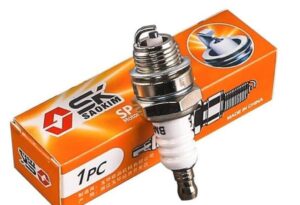
The absolute best place to start when considering when to replace spark plugs is your car’s owner’s manual. Seriously, it’s not just a collection of boring diagrams; it’s a treasure trove of specific information tailored to your exact vehicle. Car manufacturers spend countless hours testing and refining their engines, and their recommendations are based on extensive data.
Why the Owner’s Manual is Key
Your manual will provide a recommended mileage interval for spark plug replacement. This can range anywhere from 30,000 miles for older vehicles with traditional copper plugs to over 100,000 miles for newer cars equipped with advanced platinum or iridium plugs. This interval is your baseline, a reliable starting point for planning your maintenance.
Understanding Different Plug Types
The type of spark plug your car uses significantly impacts its lifespan. Modern engines often come with long-life spark plugs (platinum or iridium), designed to last much longer than traditional copper plugs. So, if your manual says 100,000 miles, it’s usually because your car came with these durable types. Always check what your car specifically requires before deciding on a replacement schedule or buying new plugs.
Beyond the Manual: Factors Affecting Spark Plug Life
While your owner’s manual gives you a great guideline, it’s not the whole story. Several real-world factors can either shorten or extend the life of your spark plugs. Understanding these can help you decide if you need to consider replacing spark plugs a bit sooner than recommended.
Your Driving Habits Matter
- Stop-and-Go City Driving: If you spend most of your time in heavy traffic, constantly accelerating and braking, your spark plugs might wear out faster. This kind of driving leads to more engine cycles and potentially higher carbon buildup.
- Long Highway Cruises: On the flip side, if you’re primarily a highway driver, your spark plugs generally experience less stress and might last closer to, or even beyond, the recommended interval.
- Towing Heavy Loads: Regularly towing trailers or heavy loads puts extra strain on your engine, which can accelerate the wear on various components, including your spark plugs.
Engine Condition and Fuel Quality
An engine that’s not running optimally can also affect spark plug life:
- Oil Leaks: If oil leaks into the combustion chamber, it can foul the spark plugs, making them less effective and shortening their lifespan.
- Rich Fuel Mixture: An engine running too rich (too much fuel, not enough air) can cause carbon deposits to build up on the plugs, leading to misfires.
- Poor Fuel Quality: Using lower-quality fuel can sometimes lead to more deposits, impacting spark plug performance over time.
Considering these factors alongside your manual’s advice will give you a more accurate picture of when it’s truly time to replace spark plugs.
The Whispers and Shouts: Signs Your Spark Plugs Need Replacing
Your car is pretty good at communicating its needs, and worn-out spark plugs are no exception. Pay attention to these common symptoms; they’re your car’s way of telling you it’s time to consider replacing spark plugs.
Subtle Hints You Shouldn’t Ignore
- Reduced Fuel Economy: This is often one of the first signs. If you’re filling up more frequently than usual without a change in driving habits, faulty spark plugs could be robbing you of gas mileage.
- Slow Acceleration: Does your car feel sluggish when you hit the gas? Worn plugs can’t deliver the consistent spark needed for brisk acceleration.
- Rough Idling: If your engine shakes or vibrates more than usual when you’re stopped at a light, it could be due to misfires caused by failing spark plugs.
Clearer Warnings That Demand Attention
- Engine Misfires or Hesitation: This is a more pronounced symptom. You might feel a distinct jerk or hesitation from the engine, especially under load. This means one or more cylinders aren’t firing correctly.
- Difficulty Starting Your Car: If your engine cranks for an unusually long time before starting, or struggles to turn over, weak spark plugs might not be providing enough spark to ignite the fuel efficiently.
- Check Engine Light: In many modern vehicles, a severely misfiring cylinder will trigger the check engine light. While this light can indicate many issues, spark plug problems are a common culprit. A diagnostic scan can confirm if misfires are occurring.
Don’t wait for these symptoms to become severe. Addressing them promptly by replacing spark plugs can prevent further issues and improve your driving experience.
A Deep Dive into Spark Plug Types and Their Expected Lifespans
Not all spark plugs are created equal, and understanding the differences is key to knowing when to replace spark plugs. The material of the electrode tip dictates its durability and, consequently, its recommended replacement interval.
Traditional Copper Spark Plugs
- Material: Copper core electrode, typically with a nickel-alloy coating.
- Pros: Excellent electrical conductivity, very affordable.
- Cons: Softer metal, wears out faster due to erosion from the spark.
- Lifespan: Generally 30,000 to 50,000 miles. Some high-performance engines might still use these due to their superior conductivity, but they require more frequent replacement.
Platinum Spark Plugs
- Material: Platinum disc welded to the center electrode. Sometimes also on the ground electrode (double platinum).
- Pros: More durable than copper, excellent resistance to wear and corrosion. Provides a more consistent spark over a longer period.
- Cons: More expensive than copper.
- Lifespan: Typically 60,000 to 80,000 miles, with double platinum versions often lasting up to 100,000 miles. These are common in many vehicles from the late 90s and early 2000s.
Iridium Spark Plugs
- Material: Iridium tip on the center electrode (sometimes combined with platinum on the ground electrode for “iridium-platinum” plugs). Iridium is one of the hardest metals.
- Pros: Extremely durable, offers the longest lifespan and best performance due to its incredibly fine electrode tip, which requires less voltage to spark.
- Cons: Most expensive option.
- Lifespan: Often 100,000 miles or more (some manufacturers suggest up to 120,000 miles). These are standard in most modern vehicles due to their longevity and efficiency.
When you’re ready to replace spark plugs, it’s generally best to replace them with the same type that originally came with your car to ensure optimal performance and adherence to manufacturer specifications.
The Rewards of Timely Spark Plug Replacement
So, we’ve talked about the “how often” and the “why,” but let’s briefly recap the awesome benefits you’ll enjoy when you regularly replace spark plugs as recommended. It’s truly a small investment that yields big returns for your driving experience and your wallet.
Improved Fuel Efficiency
When your spark plugs are firing optimally, your engine burns fuel more completely and efficiently. This directly translates to better gas mileage, saving you money at the pump over time. Think of all the extra miles you’ll get from each tank!
Enhanced Engine Performance
Fresh spark plugs mean a stronger, more consistent spark. This results in quicker, smoother acceleration and a noticeable boost in overall engine power. Your car will feel more responsive, whether you’re merging onto a highway or just zipping around town.
Smoother Idling and Starting
No more rough idles or struggling to start your car on a cold morning. New spark plugs ensure that every cylinder ignites precisely when it should, leading to a much smoother, quieter engine operation, both at idle and during startup.
Reduced Emissions
A more complete combustion process also means fewer harmful emissions released into the atmosphere. So, by keeping your spark plugs in good shape, you’re not just helping your car; you’re doing your part for the environment too.
Prevent Costly Repairs
Ignoring old spark plugs can lead to more serious problems down the road. Misfires can put extra strain on other engine components, potentially damaging catalytic converters or ignition coils, which are far more expensive to replace than spark plugs. Timely spark plug replacement is a preventative measure that can save you significant repair costs in the long run.
It’s clear that taking care of these small but mighty components is a smart move for any car owner. It ensures your vehicle remains reliable, efficient, and a joy to drive.
There you have it! Everything you need to know about how often you should replace spark plugs for peak performance. It’s not just about following a schedule; it’s about understanding your car, its needs, and the little signals it sends. By paying attention to your owner’s manual, your driving habits, and those subtle signs of wear, you can ensure your spark plugs are always in top condition.
Remember, timely maintenance, especially when it comes to something as fundamental as spark plugs, is the key to a happy, healthy vehicle. It means better fuel economy, smoother rides, and fewer headaches down the road. So, go ahead, check your manual, listen to your car, and give those unsung heroes the attention they deserve. Your engine (and your wallet!) will thank you for it.
Frequently Asked Questions
How often should I typically replace my spark plugs?
Most manufacturers recommend replacing spark plugs every 30,000 to 100,000 miles, depending on your vehicle’s make, model, and the type of spark plugs installed. Always consult your car’s owner’s manual for the most accurate service interval to ensure peak performance.
What are the common signs that my spark plugs need replacing?
You might notice your engine misfiring, rough idling, difficulty starting, or a noticeable drop in fuel economy. A check engine light can also illuminate, signaling an issue with the ignition system, potentially related to worn spark plugs.
What happens if I don’t replace my spark plugs when recommended?
Delaying spark plug replacement can lead to decreased engine performance, poor fuel efficiency, and increased emissions. It can also cause strain on other ignition components, potentially leading to more expensive repairs down the line if neglected.
Does the type of spark plugs affect how often they need to be replaced?
Yes, absolutely. Conventional copper spark plugs typically have a shorter lifespan (around 30,000 miles), while iridium or platinum spark plugs are designed for much longer intervals, often lasting 60,000 to 100,000 miles or even more, contributing to consistent performance.
Can my driving habits influence how often I need to replace my spark plugs?
Yes, aggressive driving, frequent short trips, or driving in extreme conditions (like very hot or cold climates) can accelerate wear on your spark plugs. Regular, moderate driving helps them last closer to their maximum intended lifespan and maintain engine efficiency.
Is there a general mileage guideline for replacing spark plugs across all vehicles?
While a common range for replacing spark plugs is 30,000 to 100,000 miles, there isn’t a single universal guideline that applies to every vehicle. Your car’s specific manufacturer recommendations, found in your owner’s manual, are always the most reliable source for your spark plug replacement schedule.