Spark plug replacement frequency varies significantly, primarily depending on the spark plug material and your car’s manufacturer recommendations. While traditional copper plugs might need changing every 30,000 miles, modern platinum or iridium plugs can last an impressive 60,000 to 100,000 miles or even more. Always consult your vehicle’s owner’s manual for the definitive schedule to ensure optimal engine performance and fuel efficiency.
How Often Should Spark Plugs Be Changed In Your Car?
Hey there, fellow car enthusiast! Ever wondered about those little heroes hidden deep inside your engine, keeping things running smoothly? We’re talking about spark plugs! The big question is, “How often should spark plugs be changed?” It’s not a one-size-fits-all answer, but generally, you’re looking at every 30,000 to 100,000 miles. This depends heavily on your car’s make, model, and the type of spark plugs it uses. Think of it like getting new running shoes!
Keeping track of your spark plug replacement schedule is super important for your car’s health and your wallet. Worn-out spark plugs can really drag down your engine’s performance and drink up more fuel than necessary. Let’s dive a bit deeper into everything you need to know to keep your ride purring like a kitten.
So, How Often Should Spark Plugs Be Replaced, and What Else Do I Need to Know?
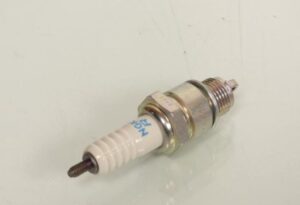
Changing your spark plugs isn’t just a suggestion; it’s a crucial part of routine maintenance that directly impacts your car’s performance, fuel efficiency, and even its emissions. Here’s the rundown, along with some personal tips:
- Check Your Owner’s Manual First: This is your car’s bible! The absolute best place for precise recommendations for your vehicle is in the owner’s manual. Manufacturers know their engines best, and they’ll tell you the exact mileage interval for replacing your spark plugs. My old sedan needed them every 40,000 miles; my SUV recommends 100,000 – a huge difference!
- Types of Spark Plugs Matter: Not all spark plugs are created equal!
- Copper Spark Plugs: Found in older or high-performance cars, they conduct electricity well but wear faster. Change them every 30,000 to 50,000 miles.
- Platinum Spark Plugs: A step up from copper, these last longer because platinum is more durable. They often hit the 60,000-mile mark.
- Iridium Spark Plugs: These are the champions of longevity. Iridium is incredibly hard, allowing for a much finer electrode and longer life. Many modern cars come with iridium spark plugs, and they can last an impressive 80,000 to 100,000 miles, or even more.
- Listen to Your Car – Signs of Worn Spark Plugs: Your car will often tell you when it’s time for new spark plugs. Pay attention to these common symptoms:
- Engine Misfires or Rough Idle: Does your car feel like it’s shaking or sputtering, especially at a stop light? That’s a classic sign of a struggling spark plug. I once ignored this, and my car felt like it was having a minor earthquake!
- Reduced Fuel Economy: If you find yourself filling up at the pump more often than usual, worn spark plugs could be the culprit. They aren’t igniting fuel efficiently, wasting gas.
- Slow Acceleration: Does your car feel sluggish when you press the gas pedal? Weak sparks mean your engine isn’t getting the full power it needs.
- Difficulty Starting: If your engine cranks a few times before finally catching, especially on a cold morning, it might be those tired spark plugs struggling to create a strong spark.
- Check Engine Light: Sometimes, the car’s computer will detect a misfire and illuminate your check engine light. Don’t ignore it!
- Why Regular Replacement is Important: It’s not just about avoiding problems; it’s about optimizing your car’s health. Fresh spark plugs ensure your engine runs smoothly, maintains peak power, and achieves the best possible fuel efficiency. Plus, they help reduce harmful emissions, which is good for everyone. Think of it as preventative care for your engine.
- DIY or Professional? Changing spark plugs can be a DIY job for some, but it requires the right tools and a bit of know-how to avoid damaging threads or breaking a plug. If you’re not comfortable, trust your mechanic. It’s a relatively inexpensive service compared to the damage prolonged neglect can cause.
So, there you have it! While the 30,000 to 100,000-mile range is a good guideline, always consult your owner’s manual and listen to your car. Replacing your spark plugs on time is a small effort for a big reward: a happier car and a smoother, more efficient ride. Happy driving!