Expert insights confirm there’s no single answer for how often to change your fuel filter; it primarily depends on your vehicle’s make, model, and fuel type. While always consult your owner’s manual for precise manufacturer recommendations, general guidelines suggest gasoline vehicles may need a new filter every 30,000-60,000 miles, while diesel engines often require more frequent changes, typically every 10,000-20,000 miles, due to fuel characteristics. Regular replacement is crucial to prevent costly engine damage, maintain optimal performance, and avoid common symptoms like hesitation or misfires.
How Often To Change Fuel Filter Expert Insights Revealed
Hey there! If you’re like me, you probably wonder about all those little maintenance tasks that keep our cars running smoothly. One question that often pops up is, “how often to change fuel filter?” It’s a great question, and honestly, it’s not always a straightforward answer. Think of it like changing your toothbrush – you know it needs doing, but the exact timing can vary a bit!
Generally speaking, you’re looking at changing your fuel filter somewhere between 20,000 to 60,000 miles, or every 2 to 4 years. But here’s the kicker: this isn’t a hard and fast rule for everyone. Your car’s manufacturer, your driving habits, and even the quality of fuel you use all play a big part. Keeping an eye on this simple component is crucial for your car’s health, and I’m here to spill the beans on everything I’ve learned about it.
Q: So, how often should I really change my fuel filter, and what should I look out for?
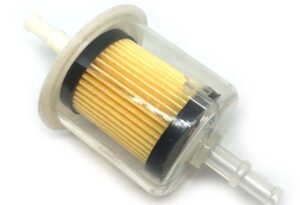
A: This is a fantastic question, and one I get asked a lot by friends and family. From my experience, knowing how often to change fuel filter comes down to a few key factors. The best first step, hands down, is to check your car’s owner’s manual. Seriously, it’s a goldmine of information specific to your vehicle. Manufacturers often have precise recommendations for when to change fuel filter, and those are your guiding stars.
Beyond the manual, here’s what I’ve learned to consider:
- Driving Conditions Matter: If you often drive in dusty areas, on unpaved roads, or through construction zones, your fuel filter is working overtime. It’s catching more dirt and debris, which means it will likely clog faster. I remember a friend who lived on a gravel road; he had to change his fuel filter almost twice as often as I did, just because of all the dust!
- Vehicle Age and Fuel Quality: Older cars can sometimes have more sediment in their fuel tanks, and if you frequently fuel up at less reputable stations, you might be getting lower quality fuel with more impurities. My old sedan, bless its heart, definitely needed more frequent attention to its fuel filter as it aged. Using good quality fuel is like feeding your body good food – it just runs better!
- What Does a Clogged Filter Feel Like? Your car usually gives you hints when it’s time to change fuel filter. Watch out for these symptoms:
- Engine sputtering or stalling: Especially when accelerating or going uphill. It feels like the car is gasping for breath.
- Reduced engine power: Your car might feel sluggish, like it’s lost its pep.
- Difficulty starting: If it takes a few extra cranks to get going, or doesn’t start on the first try, the fuel pump might be struggling to push fuel through a clogged filter.
- Rough idling: When you’re stopped, the engine might feel shaky or inconsistent.
- Check Engine Light: Sometimes, a severely clogged filter can even trigger your “Check Engine” light, as the fuel pressure might drop too low.
- Why It’s So Important: A clean fuel filter is like a clear airway for your car. It protects vital components like your fuel pump and fuel injectors from harmful contaminants. If these parts get damaged, you’re looking at much more expensive repairs than just replacing a simple filter. Keeping up with how often to change fuel filter ensures your engine gets a steady, clean supply of fuel, which translates to better performance, fuel efficiency, and a longer life for your car. I always tell people it’s cheap insurance!
From personal experience, I’ve found that erring on the side of caution is always best. If your owner’s manual says 30,000 miles, and you drive in tough conditions, maybe consider checking it or even replacing it a little sooner. It’s a relatively inexpensive part, and swapping it out can make a huge difference in how your car feels and performs. Plus, knowing you’ve taken care of it brings a nice peace of mind!
So, to wrap it up, figuring out how often to change fuel filter isn’t just about mileage or time; it’s about listening to your car and knowing its specific needs. Check that owner’s manual, pay attention to how your car feels on the road, and don’t hesitate to replace it if you notice any of those warning signs. A little proactive maintenance goes a long way in keeping your ride happy and healthy!