Quickly changing your mower spark plug is a surprisingly easy and essential DIY task that significantly impacts engine health. This guide provides a rapid, straightforward method to replace worn plugs, ensuring your lawnmower starts reliably and runs at peak performance with minimal downtime. Keep your equipment in top shape effortlessly.
Ever found yourself yanking the starter cord of your lawn mower again and again, only to be met with a stubborn silence or a sputter that quickly dies? It’s a frustrating experience, isn’t it? We’ve all been there, staring down a perfectly good Saturday morning threatened by a uncooperative engine. Before you panic or call a costly repair service, there’s a simple, often overlooked culprit that you can fix yourself: the spark plug. This tiny component is absolutely vital for your mower’s operation, and a tired one can bring your mowing dreams to a screeching halt.
The good news? Learning how to change a mower spark plug is one of the easiest and most rewarding DIY maintenance tasks you can tackle. It doesn’t require specialized tools, a ton of experience, or even a full afternoon. In fact, with a bit of guidance, you can get it done pretty fast, saving you money and the headache of a non-starting mower. Imagine the satisfaction of bringing your trusty machine back to life with your own two hands!
This comprehensive guide is designed to walk you through every step of the process, just like a friend sharing their best tips. We’ll cover everything from why a fresh spark plug makes a difference to the exact tools you’ll need and how to perform the swap safely and effectively. By the end, you’ll feel confident to change a mower spark plug, keeping your lawn looking pristine and your engine purring happily. Let’s get that mower running like new!
Key Takeaways
- Prioritize Safety: Always disconnect the spark plug wire before starting any work.
- Gather Correct Tools: Use a spark plug wrench and gap gauge for efficient replacement.
- Clean Area First: Remove debris around the plug to prevent engine contamination.
- Inspect Old Plug: Check for wear; it reveals valuable insights into engine health.
- Set Proper Gap: Ensure the new spark plug is gapped precisely to manufacturer specifications.
- Avoid Overtightening: Hand-thread the new plug, then snug gently with a wrench.
- Reconnect Securely: Firmly attach the spark plug wire to complete the replacement safely.
📑 Table of Contents
Why Your Mower Needs a Fresh Spark Plug
Think of your spark plug as the heart of your mower’s ignition system. It’s responsible for creating the tiny spark that ignites the air-fuel mixture in the engine’s cylinder, literally kick-starting the combustion process that powers your blades. Over time, spark plugs can get dirty, worn, or fouled, which severely impacts their ability to do their job efficiently. This can lead to a whole host of performance issues that make mowing a chore rather than a simple task.
Common Symptoms of a Bad Spark Plug
- Hard Starting: This is probably the most common sign. If your mower takes multiple pulls to start or refuses to start at all, a worn spark plug is often the culprit.
- Misfiring or Rough Idling: Does your mower sound like it’s sputtering or running unevenly? A weak spark can cause the engine to misfire, leading to a rough idle or jerky operation.
- Loss of Power: If your mower struggles when cutting thicker grass, or seems less powerful than usual, it might not be getting a consistent, strong spark.
- Excessive Smoke: A fouled spark plug can sometimes lead to incomplete combustion, causing your mower to emit more smoke than normal.
- Poor Fuel Economy: An inefficient spark means your engine isn’t burning fuel optimally, which can lead to you refilling the tank more often.
The Role of the Spark Plug in Your Mower’s Performance
A healthy spark plug ensures a clean, powerful ignition every time. This translates to easier starting, smoother running, better fuel efficiency, and consistent power delivery. When the spark is weak or inconsistent, the entire engine struggles to perform, and those symptoms we just discussed start to appear. Regularly inspecting and knowing how to change a mower spark plug is key to maintaining peak performance.
When to Consider a Change
Most mower manufacturers recommend replacing the spark plug at least once a season, or every 25-50 operating hours, whichever comes first. Even if your mower seems to be running okay, proactively replacing it can prevent future problems. However, if you notice any of the symptoms above, don’t wait! It’s definitely time to change a mower spark plug.
Gathering Your Tools and Supplies
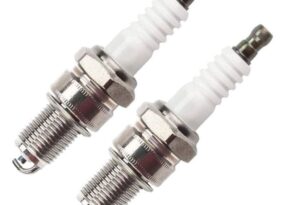
One of the best parts about this maintenance task is how few tools you actually need. You likely have most of them already in your garage or shed. Getting everything ready before you start will make the process smooth and quick, so you can easily change a mower spark plug without interruptions.
Essential Tools You’ll Need
- New Spark Plug: This is crucial! Always consult your mower’s owner’s manual for the correct spark plug type and model number. Using the wrong plug can damage your engine. Brands like NGK, Champion, and Bosch are common.
- Spark Plug Wrench or Socket Set: Spark plug sockets are usually 5/8-inch or 13/16-inch. They often have a rubber insert inside to grip the plug and prevent it from breaking. A ratchet with an extension will also be helpful for reaching recessed plugs.
- Spark Plug Gapping Tool: Even new spark plugs sometimes need their gap adjusted. A wire-type gapping tool is inexpensive and essential for ensuring the correct distance between the electrodes.
- Wire Brush or Rag: For cleaning around the spark plug well before removal.
- Anti-Seize Compound (Optional but Recommended): A tiny dab on the new spark plug threads can make future removals much easier.
- Gloves: To protect your hands from grease and dirt.
- Safety Glasses: Always a good idea when working on machinery.
Choosing the Right Spark Plug
This step is absolutely critical. Don’t just grab any spark plug off the shelf! Your mower manual will specify the exact part number and brand recommended for your engine. There are subtle differences in spark plugs, such as heat range, thread reach, and electrode material, which are all designed specifically for your engine’s performance. Using the wrong one can lead to poor performance or even engine damage. If you don’t have your manual, search online using your mower’s brand, model, and engine type. Most manufacturers have parts diagrams available.
Safety First: Preparing Your Mower
Before you even think about touching the spark plug, safety must be your top priority. Working with engines, even small ones, carries risks if proper precautions aren’t taken. These simple steps will help ensure a safe and successful process to change a mower spark plug.
Disconnect the Spark Plug Wire
This is the single most important safety step. The spark plug wire delivers electricity to the plug. If it’s connected, the engine could accidentally start, even if you’re not pulling the starter cord, leading to serious injury. Simply grasp the rubber boot around the spark plug wire and pull it firmly. It should pop off. Tuck the wire away from the spark plug opening, perhaps by hooking it onto the handle or another part of the engine, to prevent accidental contact.
Clean Around the Spark Plug Well
Before you remove the old spark plug, take a moment to clean the area around its base. Dirt, grass clippings, and debris can accumulate in the spark plug well. If these fall into the engine’s combustion chamber when you remove the old plug, they can cause damage. Use a wire brush, a rag, or even a shot of compressed air to clear away any loose grime around the plug’s base. This simple step can save you a lot of trouble down the line when you change a mower spark plug.
Secure Your Mower
Make sure your mower is on a flat, stable surface. If it’s a riding mower, engage the parking brake. For walk-behind mowers, you might need to slightly tilt it to access the spark plug. If you do, make sure the carburetor side is always facing upwards to prevent fuel or oil from leaking into the air filter or exhaust. Never tip the mower with the carburetor side down, as this can cause fuel to flood the engine or contaminate the air filter. A stable mower prevents it from tipping over while you’re working.
The Step-by-Step Process to Change a Mower Spark Plug
Now that you’re prepared and safe, it’s time for the main event! Follow these steps carefully, and you’ll have a new spark plug installed in no time. Learning how to change a mower spark plug is straightforward once you know the routine.
Removing the Old Spark Plug
- Position Your Wrench: Carefully place your spark plug socket over the old spark plug. Ensure it’s fully seated and not at an angle.
- Turn Counter-Clockwise: Attach your ratchet to the socket and turn it counter-clockwise to loosen the spark plug. It might be stiff at first, but it should break free with a firm turn.
- Unscrew by Hand: Once it’s loose, you can often unscrew the rest of the way by hand or with the socket and extension without the ratchet. This prevents cross-threading if the plug is still stiff.
- Inspect the Old Plug: Once removed, take a moment to look at the old spark plug. Its appearance can tell you a lot about your engine’s health.
- Tan/Gray Deposits: Good engine condition.
- Black/Sooty: Rich fuel mixture, possibly a dirty air filter, or an overly cold spark plug.
- Oily: Worn piston rings or valve guides; this might indicate a more serious engine issue.
- White/Ashy: Engine overheating, lean fuel mixture, or too hot a spark plug.
Gapping the New Spark Plug
Even though new spark plugs come pre-gapped, it’s always a good idea to double-check and adjust if necessary. The gap is the distance between the center electrode and the ground electrode. Your mower manual will specify the correct gap (e.g., 0.020-0.030 inches). Using your wire gapping tool, gently slide the correct wire gauge into the gap. If it’s too tight, carefully bend the ground electrode outwards slightly. If it’s too wide, gently tap the ground electrode on a hard surface to close it. Be very gentle; the electrodes are fragile. Proper gapping ensures the strongest possible spark.
Installing the New Spark Plug
- Apply Anti-Seize (Optional): If you have anti-seize compound, apply a very thin coat to the threads of the new spark plug. This prevents the plug from seizing in the cylinder head and makes future removals easier. Avoid getting it on the electrodes.
- Start by Hand: This is a crucial step to prevent cross-threading. Carefully thread the new spark plug into the engine by hand. Turn it clockwise until it’s finger-tight. It should go in smoothly without resistance. If you feel resistance, stop, unscrew it, and try again, ensuring it’s aligned correctly.
- Tighten with Wrench: Once finger-tight, use your spark plug socket and ratchet to snug it up. The general rule is to tighten it about 1/4 to 1/2 turn past hand-tight. Do NOT overtighten, as this can strip the threads in the engine head or crack the spark plug itself.
- Reconnect the Wire: Push the spark plug wire boot firmly back onto the new spark plug until you feel it click or seat securely.
Troubleshooting and Common Mistakes
Even with the best instructions, sometimes things don’t go perfectly. Knowing common issues can help you troubleshoot if your mower doesn’t start right away after you change a mower spark plug.
Mower Still Won’t Start?
If your mower still refuses to start after a spark plug change, don’t despair! Here are a few things to check:
- Spark Plug Wire Connection: Is the spark plug wire firmly connected? Give it a push to ensure it’s seated properly.
- Re-check Gap: Did you gap the new spark plug correctly? A gap that’s too wide or too narrow can prevent a good spark.
- Fuel Issues: Is there fresh fuel in the tank? Old or stale fuel is a common cause of starting problems.
- Air Filter: Is your air filter clean? A clogged air filter can starve the engine of air, preventing it from starting or running well.
- Other Components: If the spark plug change didn’t solve the issue, the problem might lie elsewhere, such as the carburetor, ignition coil, or fuel lines. At this point, you might consider professional help.
Preventing Cross-Threading
Cross-threading happens when you force a screw or plug into threads at an angle, damaging both the plug and the engine’s internal threads. This is an expensive mistake to fix. The best way to prevent it is always to start threading the new spark plug by hand. If it doesn’t turn smoothly with light finger pressure, it’s cross-threaded. Back it out, realign it, and try again.
Overtightening Dangers
While you want the spark plug to be snug, overtightening can lead to major problems. It can strip the threads in the engine’s cylinder head, requiring costly repairs, or it can crack the porcelain insulator of the spark plug, rendering it useless. Use a torque wrench if you have one and know the exact specifications (check your manual), otherwise, stick to the 1/4 to 1/2 turn past finger-tight rule.
Spark Plug Maintenance and Longevity
Knowing how to change a mower spark plug is great, but a little ongoing care can help your new plug last longer and keep your mower running beautifully.
Regular Inspections
It’s a good habit to give your spark plug a quick visual check a few times throughout the mowing season. Disconnect the wire, pull off the boot, and just take a peek. If you see excessive carbon buildup or signs of damage, you might consider replacing it even if it’s not time for the annual change. Sometimes a quick brush-off with a wire brush can clean minor fouling, but a replacement is usually best for optimal performance.
Fuel Quality Matters
The type and quality of fuel you use significantly impact your spark plug’s lifespan and engine health. Ethanol-free gasoline is often recommended for small engines as ethanol can cause corrosion and deposit buildup. Always use fresh fuel and consider a fuel stabilizer if your mower will sit for more than a few weeks. Stale fuel can lead to carbon buildup on your spark plug and in your engine, hindering performance.
Proper Storage
At the end of the mowing season, it’s good practice to either run your mower until it’s out of fuel or add a fuel stabilizer to the tank before storing it. This prevents fuel degradation and keeps your carburetor and spark plug cleaner, making sure your mower is ready to fire up easily next spring.
Understanding Spark Plug Condition
Here’s a quick reference table to help you interpret what your old spark plug is telling you:
| Old Spark Plug Appearance | What It Might Mean | Action Needed |
|---|---|---|
| Tan/Gray (Normal) | Good engine health and proper combustion. | Replace as part of routine maintenance. |
| Black/Sooty (Fouled) | Rich fuel mixture, dirty air filter, or an overly cold spark plug. | Check carburetor, air filter, and ensure correct spark plug type. |
| Oily | Worn piston rings or valve guides allowing oil into the combustion chamber. | Engine repair may be needed; consult a professional. |
| White/Ashy | Engine overheating, lean fuel mixture, or an overly hot spark plug. | Check fuel system, ensure correct spark plug type, and engine timing. |
| Melted/Damaged Electrode | Severe overheating, incorrect timing, or prolonged detonation. | Requires immediate engine inspection and professional help. |
See? Learning how to interpret these signs gives you valuable insight into your mower’s internal workings!
Congratulations! You’ve just walked through every step to confidently change a mower spark plug. It might seem like a small task, but its impact on your mower’s performance is huge. You’ve learned how to identify when a change is needed, gathered the right tools, prepared your mower safely, and executed the replacement like a pro. Not only have you saved yourself some money, but you’ve also gained a valuable skill and a deeper understanding of your outdoor equipment.
Don’t be intimidated by engine maintenance; tackling these simple tasks yourself is empowering and incredibly satisfying. With a fresh spark plug, your mower will start easier, run smoother, and cut more efficiently, leaving you with a beautifully manicured lawn and a sense of accomplishment. So, go ahead, get out there, and enjoy the fruits of your labor!
Frequently Asked Questions
Why should I consider changing my mower spark plug?
Changing your mower spark plug is crucial for maintaining optimal engine performance. A fresh spark plug ensures easier starting, better fuel efficiency, and a smoother-running engine, preventing common issues like sputtering or stalling.
How often should I replace the mower spark plug?
Most manufacturers recommend replacing your mower spark plug at least once a year, or every 25 hours of operation, whichever comes first. However, if you notice performance issues like difficulty starting or reduced power, it might be time for an earlier replacement.
What tools are essential for changing a mower spark plug?
You’ll typically need a spark plug wrench or a deep socket (usually 13/16″ or 5/8″), a new spark plug of the correct type, and optionally a spark plug gapping tool if your new plug isn’t pre-gapped. Safety gloves can also be helpful.
How do I find the correct replacement mower spark plug for my model?
The best way to identify the correct mower spark plug is by consulting your mower’s owner’s manual, which specifies the exact make and model number. Alternatively, you can often find the information stamped on the old spark plug itself or use an online lookup tool based on your mower’s brand and model.
Is changing a mower spark plug a difficult task for a DIY beginner?
No, changing a mower spark plug is generally considered one of the easiest DIY maintenance tasks for lawnmowers. With a few basic tools and clear instructions, most beginners can complete the job in under 15 minutes, significantly improving mower performance.
What are the signs that my mower spark plug needs changing?
Common indicators that your mower spark plug needs attention include difficulty starting the engine, frequent stalling, noticeable misfires or rough idling, and a decrease in overall engine power or fuel efficiency. Regularly inspecting the plug for carbon buildup or electrode wear can also help.