Changing your own spark plugs is a surprisingly simple and highly cost-effective DIY car maintenance task that anyone can master. This guide equips you with the knowledge to confidently perform the job, outlining the basic tools required and straightforward steps for safe removal, gapping, and proper installation. By tackling this yourself, you’ll significantly save on labor costs while boosting your engine’s performance and fuel efficiency.
Ever feel that familiar pang of dread when your check engine light illuminates, or your car starts acting a bit… off? For many, it immediately translates to a costly trip to the mechanic. But what if I told you that one common car repair, often costing a pretty penny in labor, is surprisingly simple to tackle yourself? That’s right, we’re talking about how to change a spark plug.
Think about it: a shop might charge you anywhere from $100 to $300 (or even more!) just for labor on a spark plug replacement. When you learn how to change a spark plug yourself, you’re looking at saving significant cash, gaining a fantastic sense of accomplishment, and truly understanding a bit more about your vehicle. It’s like discovering a secret superpower for your wallet and your car.
This isn’t just about saving money; it’s about empowerment. It’s about taking control of your car’s maintenance and knowing you can handle basic issues. Ready to roll up your sleeves and learn how to change a spark plug with confidence? Let’s dive in and transform you from a car repair novice to a DIY maintenance hero!
Key Takeaways
- Prioritize Safety: Disconnect the battery and allow the engine to cool down fully.
- Gather Specific Tools: Use the correct spark plug socket, torque wrench, and gap gauge.
- Work Systematically: Remove and replace one spark plug at a time to prevent errors.
- Gap New Plugs: Always check and precisely adjust the new spark plug gap.
- Torque Correctly: Tighten new plugs to manufacturer specifications with a torque wrench.
- Inspect Old Plugs: Examine removed plugs for valuable insights into engine health.
- Apply Anti-Seize: Use anti-seize lubricant on threads for future easier removal.
📑 Table of Contents
Why Bother Changing Your Spark Plugs? The Hidden Benefits
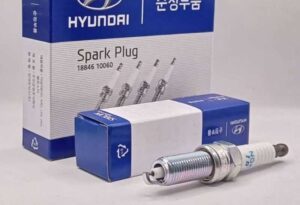
Before we get into the nitty-gritty of how to change a spark plug, let’s chat about why this maintenance task is so important. Your spark plugs are small but mighty components, essential for your engine’s combustion process. They ignite the air-fuel mixture in your engine’s cylinders, creating the power that moves your car. Over time, these little workhorses wear out, and when they do, your car will let you know.
Common Signs of Worn Spark Plugs
- Engine Misfires or Rough Idling: Ever felt your car shudder or hesitate, especially when stopped? That’s a classic sign. It feels like your engine is “coughing.”
- Reduced Fuel Economy: If you’re filling up more often than usual, old spark plugs might be the culprit. Inefficient combustion wastes fuel.
- Sluggish Acceleration: Does your car feel less responsive when you hit the gas? Worn plugs can diminish your engine’s power.
- Difficulty Starting: While many things can cause this, failing spark plugs can certainly make your engine crank longer before firing up.
- Check Engine Light: Often, an engine misfire caused by a bad spark plug will trigger this dreaded warning light.
The Rewards of Fresh Spark Plugs
By learning how to change a spark plug, you’re not just fixing problems; you’re enhancing your car’s performance. New spark plugs can restore your engine’s lost power, improve your gas mileage, and ensure smoother, more reliable starts. It’s like giving your engine a refreshing energy drink!
Gathering Your Arsenal: Tools and Parts You’ll Need
Before you even think about touching your engine, preparation is key. Having the right tools and parts will make the process of how to change a spark plug much smoother and safer. Don’t worry, you won’t need a professional garage full of equipment.
Essential Tools for Spark Plug Replacement
- Spark Plug Socket Set: This is crucial. You’ll need a deep socket (usually 5/8″ or 13/16″) with a rubber insert to protect the ceramic insulator of the spark plug and hold it securely.
- Ratchet Wrench: To turn the spark plug socket. A 3/8″ drive is common.
- Socket Extensions: Various lengths will help you reach plugs in tricky spots.
- Torque Wrench: Highly recommended! Overtightening or undertightening can cause serious problems. This ensures proper installation.
- Spark Plug Gapping Tool: Essential for ensuring the correct gap between the electrode and ground strap.
- Dielectric Grease: For the spark plug boot connections to prevent moisture and corrosion.
- Anti-Seize Compound: For the spark plug threads, especially if installing into aluminum heads, to prevent seizing.
- Compressed Air or Vacuum Cleaner: To clean debris around the spark plug wells before removal.
- Gloves: Protect your hands from grease and heat.
- Shop Rags or Paper Towels: For cleaning up messes.
Choosing the Right Spark Plugs
This is critical. Always consult your car’s owner’s manual for the exact spark plug type and specifications. Using the wrong plug can damage your engine. There are a few main types:
- Copper: Cheapest, good conductor, but shorter lifespan (20,000-40,000 miles).
- Platinum: Last longer than copper (60,000-100,000 miles), good performance.
- Iridium: Most durable and highest performance (80,000-120,000+ miles), often OEM for modern cars.
Stick with what your manufacturer recommends. Don’t be tempted by “performance” plugs unless your car is specifically tuned for them.
Safety First!
Before you start, make sure your engine is cool. Working on a hot engine is not only uncomfortable but can lead to burns and even damage components. Disconnect the negative terminal of your car battery to prevent accidental electrical issues, though for just changing spark plugs, many people skip this step, just be careful not to short anything.
Step-by-Step Guide: How to Change a Spark Plug Like a Pro
Now for the main event! Here’s a detailed guide on how to change a spark plug safely and effectively. Take your time, and don’t rush any steps.
Pre-Inspection and Preparation
- Locate the Spark Plugs: They are typically found on top of the engine, connected by thick wires (spark plug wires) or ignition coils (coil-on-plug systems). Most modern cars use coil-on-plug systems, where a coil pack sits directly on top of each spark plug.
- Clear the Area: Use compressed air or a vacuum cleaner to blow away any dirt, leaves, or debris around the spark plug wells. This prevents crud from falling into your engine once the old plugs are removed.
- Take Photos: Seriously, snap a few pictures with your phone before you start disconnecting anything. This is invaluable if you forget how something goes back together.
Removing the Old Plugs
- Remove Spark Plug Wires/Coil Packs: If you have spark plug wires, grasp the boot (the rubber part) and twist it gently before pulling straight up. Never pull on the wire itself. For coil-on-plug systems, you’ll usually need to disconnect an electrical connector and unbolt the coil pack (typically one or two bolts) before lifting it straight off.
- Loosen the Spark Plug: Place your spark plug socket onto the spark plug. Attach your ratchet and extension. Turn counter-clockwise to loosen the plug. It might feel a bit stiff at first, but it should break free. Once it’s loose, you can often unscrew it by hand or with the socket.
- Extract the Old Plug: The rubber insert in your spark plug socket should hold the plug firmly as you pull it out of the well.
- Inspect the Old Plug: Take a look at the tip of the old plug. Its condition can tell you a lot about your engine’s health (e.g., black and sooty might indicate a rich fuel mixture; white and blistered might mean too lean).
Installing the New Plugs (with Gapping and Torque Tips)
- Gap the New Plug (If Necessary): Most new spark plugs are “pre-gapped,” but it’s always a good idea to double-check. Consult your owner’s manual for the correct gap specification. Use your gapping tool to gently adjust the gap if needed. Be very careful not to bend the electrode!
- Apply Anti-Seize: Put a tiny dab of anti-seize compound on the threads of the new spark plug. This is especially important for plugs going into aluminum cylinder heads, preventing them from seizing in place over time. Be careful not to get any on the electrode or ceramic insulator.
- Install the New Plug: Place the new spark plug into your spark plug socket. Carefully thread the plug into the cylinder head by hand first. This is crucial to avoid cross-threading, which can cause very expensive damage. Once it’s hand-tight, attach your torque wrench.
- Torque to Spec: Tighten the spark plug to the manufacturer’s specified torque setting using your torque wrench. This is vital! Overtightening can strip threads or crack the plug; undertightening can cause misfires or allow the plug to back out. The torque spec is usually found in your owner’s manual.
- Apply Dielectric Grease: Put a small amount of dielectric grease inside the boot of the spark plug wire or coil pack. This helps seal out moisture and ensures a good electrical connection.
- Reinstall Wires/Coil Packs: Carefully push the spark plug wire boot back onto the new plug until you feel it “click” or seat firmly. For coil packs, push them down firmly over the new plug, bolt them back in place, and reconnect the electrical connector.
Final Checks and Test Drive
- Double-Check Everything: Ensure all wires are connected, coil packs are bolted down, and no tools are left in the engine bay.
- Reconnect Battery: If you disconnected it, reconnect the negative battery terminal.
- Start the Engine: Listen for any unusual noises. The engine should run smoothly.
- Test Drive: Take your car for a short drive. Pay attention to acceleration, idling, and overall engine feel. Hopefully, you’ll notice an immediate improvement!
Common Pitfalls and Pro Tips to Keep in Mind
Stripped Threads? Don’t Panic! (But Be Careful)
Cross-threading a spark plug into an aluminum cylinder head is a common, and serious, mistake. If you feel resistance when turning the new plug by hand, STOP immediately. Remove the plug and try again, ensuring it’s perfectly straight. If the threads are already damaged, you might need a thread repair kit (like a Helicoil kit), but this is usually best left to a professional if you’re not comfortable with precision work. This highlights why threading by hand is so important when you change a spark plug.
Anti-Seize and Dielectric Grease: Your Best Friends
As mentioned, these two products are inexpensive lifesavers. Anti-seize prevents your plugs from welding themselves into the cylinder head over time, making future replacements much easier. Dielectric grease protects the electrical connections from moisture and corrosion, ensuring consistent spark delivery. Never skip these steps when you change a spark plug.
Working One Plug at a Time
Especially if you’re a beginner, a great tip is to remove, gap, and install one spark plug completely before moving on to the next. This prevents mixing up spark plug wires (if your car has them) and ensures you don’t accidentally leave a well open to foreign objects for too long. This method simplifies the process of how to change a spark plug significantly.
Knowing When to Call a Pro
While learning how to change a spark plug is very doable, there are situations where calling a mechanic is wise. If a plug is completely seized and won’t budge, if you’ve already stripped threads, or if you encounter any other serious issue you’re not comfortable with, don’t hesitate. It’s better to pay a professional than to cause further, more expensive damage.
Maintaining Your Spark Plugs: When and How Often?
You’ve mastered how to change a spark plug, but how often should you actually do it? The lifespan of your spark plugs depends heavily on their type and your vehicle’s manufacturer recommendations. Always check your owner’s manual first, as it’s the most accurate source for your specific car.
Here’s a general guide:
| Spark Plug Type | Typical Service Life | Notes |
|---|---|---|
| Copper | 20,000 – 40,000 miles | Good conductor, but softer material wears faster. Often found in older vehicles. |
| Platinum | 60,000 – 100,000 miles | More durable than copper, excellent for modern engines. Single or double platinum. |
| Iridium | 80,000 – 120,000+ miles | Extremely durable, fine wire electrode for consistent spark. Common in late-model vehicles. |
Adhering to these service intervals will help maintain your engine’s performance and fuel efficiency. Don’t wait until you experience misfires to learn how to change a spark plug; preventative maintenance is always best!
Conclusion: You’ve Got This!
Congratulations! You’ve just walked through the entire process of how to change a spark plug. It might seem like a lot of steps, but once you do it, you’ll realize it’s a very manageable DIY project. The satisfaction of knowing you’ve saved yourself a significant chunk of change, improved your car’s performance, and gained valuable mechanical knowledge is truly rewarding.
Remember, every expert started as a beginner. With patience, the right tools, and this guide, you are more than capable of tackling this task. So, the next time your car feels a bit sluggish, or you suspect it’s time for new spark plugs, take a deep breath, gather your tools, and confidently say, “I know how to change a spark plug, and I’m going to do it myself!” Happy wrenching!
Frequently Asked Questions
Why is it important to change my spark plugs regularly?
Regular replacement of your spark plugs ensures your engine runs efficiently and reliably. Worn-out spark plugs can lead to misfires, reduced fuel economy, and even engine damage over time, making it a crucial maintenance item.
How often should I change my spark plugs?
The recommended interval for changing spark plugs varies by vehicle manufacturer and plug type, typically ranging from 30,000 to 100,000 miles. Always consult your vehicle’s owner’s manual for the precise maintenance schedule for your specific make and model.
What tools will I need to change a spark plug myself?
To change a spark plug, you’ll generally need a spark plug socket (specifically designed for this task), a ratchet, an extension bar, a gap gauge (if your new plugs aren’t pre-gapped), and dielectric grease. Having a torque wrench is also highly recommended for proper installation and preventing over-tightening.
Is changing a spark plug a difficult DIY task for a beginner?
While changing a spark plug is considered an intermediate DIY task, it is very achievable for beginners with patience and the right instructions. Taking your time, following safety precautions, and having the correct tools will make the process much smoother and rewarding.
How long does it typically take to change all the spark plugs in a car?
The time required to change all spark plugs varies significantly depending on your car’s make and model, and your experience level. For a typical 4-cylinder engine, it might take 1-2 hours, but more complex engines (like V6 or V8) could take 2-4 hours or even longer due to accessibility challenges.
How do I know which type of spark plug to buy for my vehicle?
To ensure compatibility and optimal performance, always refer to your vehicle’s owner’s manual for the exact spark plug specifications, including material and heat range. You can also use reputable online parts finders by inputting your car’s year, make, and model to get the correct replacement part numbers.