Empower yourself to confidently change your car’s spark plugs with simple, clear steps. This guide demystifies the process, equipping you with the knowledge to perform essential DIY maintenance, save money, and enhance engine performance. Learn crucial techniques, from identifying worn plugs to correct installation, ensuring a smooth running vehicle.
Simple Steps How to Change Car Spark Plugs With Confidence
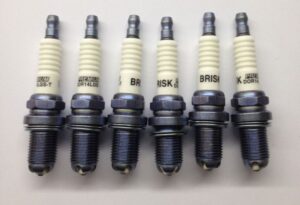
You know, the idea of getting under the hood and doing car maintenance can feel a bit scary. Especially when it comes to something like the engine! But what if I told you that learning how to change car spark plugs is actually a very manageable job for many car owners? It’s true! With the right tools and a little patience, you can absolutely tackle this task yourself. Not only will you save a good chunk of money, but you’ll also get that satisfying feeling of a job well done.
How do I confidently change car spark plugs in my vehicle?
Learning to change car spark plugs is a fantastic skill, and it’s less complicated than you might think. Spark plugs are vital little parts that ignite the fuel-air mixture in your engine, keeping your car running smoothly. When they get old, your car might feel sluggish, use more gas, or even idle roughly. Manufacturers usually recommend changing them every 30,000 to 100,000 miles, so always check your car’s manual.
First things first, let’s gather your tools. You’ll need:
- A socket wrench and various extensions: These help you reach deep-seated plugs.
- A spark plug socket: This is special because it has a rubber insert to grip the plug and prevent breakage. Make sure you get the right size for your plugs (usually 5/8″ or 13/16″).
- A torque wrench: This is super important! It ensures you tighten the new plugs to the correct specification, preventing overtightening (which can damage your engine) or undertightening (which can lead to leaks).
- A spark plug gap tool: Some new plugs come pre-gapped, but it’s always good to double-check.
- Dielectric grease: This helps seal moisture out of the spark plug boot.
- Anti-seize lubricant: A tiny bit on the plug threads helps prevent them from seizing in the engine block.
- New spark plugs: Get the exact type recommended for your car. This is crucial!
- Shop rags and gloves: To keep things clean and your hands safe.
- An air compressor or can of compressed air: To clean around the plug wells.
Now, let’s get into the steps to change car spark plugs:
- Safety First: Make sure your engine is completely cool. Working on a hot engine is not safe and can cause damage. Disconnecting the negative terminal of your car battery is also a good, safe practice.
- Locate the Plugs: Find the spark plug wires or coil packs. They are usually on top of the engine or along the sides. Your car will have one plug per cylinder.
- Clean Around Each Plug: This is a step I learned to never skip! Use your compressed air to blow away any dirt or debris from around the spark plugs. You really don’t want any gunk falling into your engine cylinder when you remove the old plug.
- Remove Wires/Coils: Gently disconnect the spark plug wires (by twisting and pulling on the boot, not the wire itself!) or unbolt the coil packs. Labeling them with tape and a marker can save you a headache later, ensuring each goes back to its original spot. Trust me, mixing these up leads to misfires!
- Extract the Old Plugs: Using your spark plug socket and wrench, carefully loosen and remove each old spark plug by turning it counter-clockwise. Take your time. If it feels stuck, try not to force it too much.
- Inspect the Old Plugs: Take a look at what you pull out. Their condition can tell you a lot about your engine’s health. Is it oily? Black and sooty? White and burnt? This info can be useful for future maintenance.
- Prepare the New Plugs: If needed, check the gap on your new plugs with your gap tool. Apply a very small amount of anti-seize lubricant to the threads of the new plug. Be careful not to get any on the electrode tip! Then, put a dab of dielectric grease inside the rubber boot of the spark plug wire or coil pack.
- Install the New Plugs: Here’s a critical tip: always start threading the new spark plug in by hand first. This helps prevent cross-threading, which can seriously damage your engine head. Once it’s hand-tight, use your torque wrench to tighten it to your car manufacturer’s exact specifications. Don’t guess here; under-tightening can cause the plug to come loose, and over-tightening can crack the cylinder head.
- Reattach Wires/Coils: Connect the spark plug wires or coil packs back to their respective plugs. Make sure they click firmly into place.
- Reconnect Battery & Test: Reconnect your car battery. Start the car and listen. Does it idle smoothly? Take it for a short drive to confirm everything feels right.
There you have it! Learning to change car spark plugs gives you more confidence and saves you money. It’s a rewarding project that shows you what you’re capable of. You really can do this!