Prioritizing safety is paramount when changing your fuel filter due to the presence of highly flammable fuel and pressurized lines. This essential guide equips you with the knowledge to safely depressurize the system, properly replace the filter, and diligently check for leaks, preventing potential hazards. Mastering this DIY task ensures optimal engine performance and longevity, all while keeping you secure.
Learn How to Change Your Fuel Filter Safely Today
Car losing pep or struggling to start? A clogged fuel filter could be why. Learning to change your fuel filter is a great skill, saving money and boosting your car knowledge. Let’s get started!
I was nervous my first time, but with research, it was satisfying. Now, I’ll share how you can do it too!
How do I safely and effectively change my fuel filter at home?
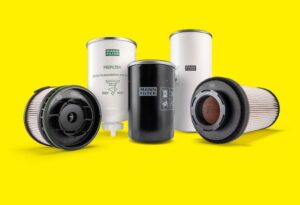
Changing your fuel filter is a manageable task, but safety is absolutely paramount because you’re dealing with flammable fuel under pressure. Think of it like cooking: you need the right ingredients and steps, but also a healthy respect for the heat!
Why Bother?
A clean fuel filter ensures your engine gets a steady supply of clean fuel. Over time, debris, rust, and dirt from the fuel tank can clog the filter. This leads to poor engine performance, reduced fuel efficiency, and even starting problems. Trust me, I once ignored a struggling engine only to find the fuel filter completely choked – a quick replacement made a world of difference!
When to Change It
Most manufacturers recommend replacing the fuel filter every 20,000 to 60,000 miles, or every 2 years. However, if you notice your car hesitating, stalling, or struggling to accelerate, it might be time sooner. Always check your car’s owner’s manual for specific recommendations.
Safety First – Seriously!
- Ventilation: Work outdoors. Fuel fumes need clear air.
- Fire Safety: Fire extinguisher nearby. No smoking, no flames, no sparks. Disconnect negative battery terminal.
- Protection: Wear safety glasses and gloves. Fuel irritates skin/eyes.
- Fuel Pressure: Systems are pressurized. Relieve it! Remove fuel pump fuse, run engine until it stalls. Check manual. My first time, I learned this the hard way with a fuel spray!
Tools You’ll Need
- New fuel filter (vehicle specific)
- Wrench set (various types)
- Screwdrivers
- Drain pan, rags
- Safety glasses, gloves
- Flashlight
- Jack, jack stands (if under car)
Step-by-Step Guide to Fuel Filter Replacement
- Prepare Vehicle: Park level, engage brake. Jack and stands if needed.
- Relieve Fuel Pressure: Critical. Remove fuel pump fuse. Start engine till it dies. Crank a few more times.
- Locate Filter: Usually under car near fuel tank/frame, or in engine bay. Small canister.
- Disconnect Fuel Lines: Place drain pan. Loosen connections. Expect some fuel. Quick-disconnects may need tool. Be gentle.
- Remove Old Filter: Unmount. Note orientation (arrow to engine). New filter goes same way.
- Install New Filter: Attach correctly. Reconnect fuel lines, tighten securely but not over-tighten. Avoid cross-threading.
- Re-pressurize System: Reinstall fuel pump fuse. Turn ignition to “ON” for seconds, then off. Repeat 2-3 times. Listen for pump.
- Check for Leaks: Start engine. Inspect all connections immediately. Run a few minutes. If leaks, shut off, tighten, recheck.
- Clean Up: Dispose of old filter and spilled fuel responsibly.
Patience is key. Take your time, double-check. Consult your car’s manual or a YouTube video if stuck. I always watch a video first for a refresher!
Changing your fuel filter might seem daunting, but with preparation, it’s achievable. You’ll save money, understand your vehicle, and enjoy a smoother ride. Happy wrenching!