Protecting your engine from contaminated fuel is paramount, and changing your fuel water separator filter is a vital, yet straightforward maintenance task. This guide simplifies the entire process, detailing how to properly drain water, remove the old filter, install the new one, and prime the system effectively. Regularly performing this quick replacement ensures your engine always receives clean fuel, preventing costly damage and maintaining peak performance.
How to Easy Guide How To Change Fuel Water Separator Filter
Hey there, fellow engine enthusiast! Have you ever had your boat sputter, or your diesel truck just feel a little “off”? Chances are, it might be something simple, but super important: your fuel water separator filter. I’ve been there myself, dealing with a sluggish engine, only to find a clogged filter was the culprit.
It can feel a bit daunting to tackle engine maintenance, but trust me, changing your fuel water separator filter is a task you can absolutely do. It’s a bit like changing the oil, but for your fuel system. And honestly, learning how to change this filter is one of the best ways to keep your engine happy and healthy for the long haul. Let’s dive into this easy guide how to change fuel water separator filter together!
Quick Answers to Common Questions
Why is it so important to change my fuel water separator filter regularly?
Changing your fuel water separator filter is crucial to protect your engine from contaminated fuel, preventing water and particulates from reaching sensitive components and causing damage. It ensures your engine runs smoothly and efficiently, avoiding costly repairs down the road.
How often should I replace my fuel water separator filter?
The replacement frequency for your fuel water separator filter varies by manufacturer and usage, but generally, checking your vehicle or equipment manual is best. Many recommend replacement every 200-500 engine hours or annually, whichever comes first, especially in marine or heavy-duty applications.
Is changing a fuel water separator filter a difficult DIY task?
Not at all! While it requires a few basic tools and some caution, changing a fuel water separator filter is a straightforward DIY task for most enthusiasts. Just follow your service manual carefully to ensure proper installation and avoid introducing air into the fuel system.
What are the risks if I don’t change my fuel water separator filter?
Neglecting to change your fuel water separator filter can lead to serious engine problems like poor performance, stalling, or even complete engine failure due to water or debris entering the fuel injectors and pump. It’s a small task that prevents big headaches!
Do I need to “prime” the system after changing the fuel water separator filter?
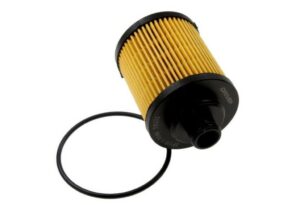
Absolutely! After installing a new fuel water separator filter, it’s critical to prime the fuel system to remove any air and ensure fuel flow. Depending on your system, this might involve using a hand pump or cycling the ignition a few times before starting the engine.
Why This Matters / Understanding the Problem
Imagine tiny bits of dirt, rust, or even water sneaking into your fuel tank. Not good, right? That’s where your fuel water separator filter comes in. It’s your engine’s first line of defense, catching these unwanted contaminants before they reach your delicate fuel injectors and pump.
Over time, this hard-working filter gets full. It fills with all the gunk it has captured. When it gets too clogged, your engine can’t get enough clean fuel. This leads to reduced power, rough idling, starting issues, or even a complete engine shutdown. Regular replacement, as outlined in this easy guide how to change fuel water separator filter, prevents these headaches. It keeps your engine running smoothly and extends its lifespan. It’s a simple preventative measure that saves you big money and stress down the road.
What You Need
Before you start, let’s gather our supplies. Having everything ready makes the job much smoother. You won’t be running back and forth, getting frustrated. Here’s a quick list of what you’ll need for this fuel filter change:
- New Fuel Water Separator Filter: Make sure it’s the correct model for your engine. Check your owner’s manual!
- Filter Wrench or Strap Wrench: To loosen the old filter.
- Drain Pan or Bucket: To catch old fuel and water.
- Clean Rags or Shop Towels: For spills and cleanup.
- Disposable Gloves: Fuel isn’t great for your skin.
- Eye Protection: Safety first, always.
- A Container for Waste Fuel: For proper disposal.
- New O-rings/Gaskets: Often come with the new filter.
- A Small Amount of Fresh Fuel: To pre-fill the new filter, if recommended for your system.
Step-by-Step Guide to Easy Guide How To Change Fuel Water Separator Filter
Alright, let’s get our hands a little dirty! This step-by-step guide will walk you through the process for a seamless easy guide how to change fuel water separator filter experience.
Step 1: Safety First – Prepare Your Workspace
Always work in a well-ventilated area. Make sure your engine is turned off and cooled down. Put on your gloves and eye protection. Have your drain pan ready beneath the filter housing.
Step 2: Locate the Fuel Water Separator Filter
Your filter is usually easy to spot. It looks like a metal or plastic canister. It might be near the engine itself or along the fuel line. On boats, it’s often close to the fuel tank or engine compartment. Refer to your engine manual if you’re unsure.
Step 3: Shut Off Fuel Supply and Relieve Pressure
This is crucial! Find the fuel shut-off valve, usually located near the fuel tank or filter assembly. Close it to stop fuel flow. Some systems might have a pressure relief valve; consult your manual. For diesel engines, you might need to run the engine for a minute after closing the valve to use up fuel in the lines, then turn it off.
Step 4: Drain the Old Filter
Most fuel water separators have a drain valve at the bottom. Place your drain pan directly underneath. Open the drain valve (often a small petcock or bolt) and let the fuel and water drain out completely. Close it once empty.
Step 5: Remove the Old Filter
Use your filter wrench or strap wrench to loosen the old filter. Turn it counter-clockwise. Be prepared for a small amount of fuel to spill, even after draining. Once loose, carefully unscrew it by hand and place it in your drain pan.
Step 6: Prepare the New Filter
Take your new filter and lubricate its new O-ring (or gasket) with a thin film of clean diesel fuel or clean engine oil. This helps create a good seal. Depending on your system, you might need to “pre-fill” the new filter with clean fuel. This prevents air from entering the fuel system, which can cause difficult starting or airlocks. If your filter sits upside down, you might skip pre-filling to avoid spills.
Step 7: Install the New Filter
Carefully screw the new filter onto the housing. Turn it clockwise by hand until you feel the O-ring make contact. Then, give it another 1/4 to 1/2 turn with your filter wrench, but do not overtighten. Overtightening can damage the O-ring and cause leaks.
Step 8: Restore Fuel Supply and Bleed the System
Open the fuel shut-off valve you closed earlier. Now, you need to “bleed” any air out of the fuel system. This step varies by engine. Some systems have a hand primer pump you’ll pump until you feel resistance. Others require cycling the ignition key a few times (without starting) to activate the electric fuel pump. Consult your manual for the exact procedure for your engine to successfully complete this easy guide how to change fuel water separator filter.
Step 9: Check for Leaks and Test Run
Once bled, start your engine. Let it run for a few minutes. Carefully inspect around the new filter for any signs of fuel leaks. Look for drips or wet spots. If you see any, shut down immediately and recheck your filter’s tightness and O-ring seating. Once clear, you’re all set!
Pro Tips & Common Mistakes to Avoid
Pro Tip #1: Always Pre-fill When Possible: I learned this the hard way! Forgetting to pre-fill a diesel fuel filter can lead to a really long, frustrating cranking session trying to get the engine to start. Pre-filling dramatically reduces the amount of air in the system, making bleeding much easier.
Pro Tip #2: Lubricate the O-ring: A dry O-ring can twist, tear, or prevent a proper seal, causing leaks. A little fuel or clean oil makes a big difference.
Common Mistake #1: Overtightening: It’s tempting to crank it down, but excessive force can strip threads or damage the O-ring, leading to leaks or making future removal a nightmare. Hand-tighten, then a small wrench turn is usually enough.
Common Mistake #2: Ignoring Air in the System: If your engine sputters or won’t start after a filter change, it’s almost always air in the lines. Take the time to properly bleed the system according to your engine’s manual. Don’t just keep cranking!
Common Mistake #3: Not Disposing of Waste Properly: Fuel and water contaminants are hazardous. Never dump them. Take your old filter and waste fuel to an approved recycling center or auto parts store.
FAQs About Easy Guide How To Change Fuel Water Separator Filter
How often should I change my fuel water separator filter?
Great question! It really depends on your engine’s usage and manufacturer recommendations. Generally, it’s good practice to change it at least once a year or every 200-500 operating hours. For critical applications or if you notice performance issues, change it more frequently. My rule of thumb: when in doubt, change it out!
Can I just drain the water instead of changing the whole filter?
You can drain the water, and you should do that regularly, especially if you have a clear bowl at the bottom of your filter. This removes separated water. However, draining only removes water; it doesn’t remove accumulated dirt and debris. The filter element itself still gets clogged and needs replacement. Draining is good maintenance, but it’s not a substitute for a full filter change.
What happens if I don’t change my fuel water separator filter?
If you neglect this crucial step, your engine will eventually suffer. You could experience reduced power, rough idling, misfires, or even complete engine failure. Dirty fuel can severely damage expensive components like fuel injectors and pumps, leading to costly repairs. Trust me, a new filter is much cheaper than a new fuel pump!
Is pre-filling the filter always necessary?
Not always, but it’s often a very good idea, especially for diesel engines. Some fuel systems are self-priming and can push air out easily. However, pre-filling helps ensure a smooth start and prevents airlocks, which can be a real pain to clear. Always check your engine’s manual for its specific recommendation on pre-filling during an easy guide how to change fuel water separator filter.
I spilled some fuel. What should I do?
Don’t panic! Mop it up immediately with rags. Dispose of the fuel-soaked rags properly, usually at a hazardous waste facility. Ensure good ventilation to disperse any fumes. Safety first, always!
Can I use any fuel filter?
Absolutely not! You must use a fuel water separator filter that is specifically designed for your engine’s make and model. Using the wrong filter can lead to improper fit, inadequate filtration, or even restrict fuel flow, causing serious engine damage. Always match the part number from your old filter or your owner’s manual.
Final Thoughts
See? That wasn’t so bad, was it? Learning how to change your fuel water separator filter is a fantastic skill to have. It empowers you to take control of your engine’s health and can save you from inconvenient breakdowns and expensive repair bills. This easy guide how to change fuel water separator filter is designed to make it simple for anyone.
Regular maintenance, like replacing this filter, is the key to a reliable, long-lasting engine. So, go ahead, give your engine the clean fuel it deserves. You’ll feel a real sense of accomplishment knowing you’ve kept your trusty machine running in top shape!
“`