Changing your lawn mower spark plug is a surprisingly fast and straightforward DIY task that significantly boosts engine performance. This guide provides simple steps, from safely disconnecting the old plug with a socket wrench to installing the new, correctly gapped one, ensuring your mower starts reliably every time. Keep your engine running smoothly with this essential maintenance!
Ever been there? You pull the starter cord on your trusty lawn mower, expecting that familiar roar, but instead, you get… nothing. Or maybe it sputters, struggles, and eventually gives up on you mid-cut, leaving you with a half-finished, patchy lawn. It’s frustrating, isn’t it? Before you haul it off to the repair shop or consider buying a whole new machine, there’s one common culprit you can easily check and fix yourself: the spark plug.
I remember the first time my mower refused to cooperate. I thought it was a major engine issue, but a seasoned neighbor just chuckled, “Checked the spark plug, have you?” Turns out, changing a lawn mower spark plug is one of the simplest and most satisfying DIY maintenance tasks you can tackle. It’s like giving your mower a fresh breath of life, and the best part? You don’t need to be a seasoned mechanic to do it.
This comprehensive guide will walk you through easy steps how to change a lawn mower spark plug fast, saving you time, money, and a whole lot of head-scratching. We’ll cover everything from recognizing the signs of a failing spark plug to the simple tools you’ll need, and most importantly, how to confidently replace it. Get ready to empower yourself and get that lawn mower purring like new again!
Key Takeaways
- Prioritize Safety: Disconnect the spark plug wire before starting any work.
- Gather Tools: Have a spark plug wrench and the correct new plug ready.
- Locate and Inspect: Find the plug; check for wear or carbon buildup.
- Remove Old Plug: Use wrench, turn counter-clockwise, then hand unscrew it.
- Gap New Plug: Confirm correct gap with a feeler gauge, if necessary.
- Install New Plug: Hand-thread clockwise to avoid cross-threading, then snug.
- Reconnect Wire: Securely attach the spark plug wire to complete the task.
📑 Table of Contents
- Why Your Spark Plug Needs Attention (And How to Spot the Signs)
- Gathering Your Arsenal: Tools and New Spark Plug Selection
- Safety First! Pre-Maintenance Checks
- The Main Event: Removing the Old Spark Plug
- Installing Your Shiny New Spark Plug Correctly
- Troubleshooting Common Issues After Changing Your Spark Plug
Why Your Spark Plug Needs Attention (And How to Spot the Signs)
Your lawn mower’s spark plug might be small, but it plays a mighty role. It’s the tiny component that creates the spark needed to ignite the air-fuel mixture in the engine’s combustion chamber, making your mower run. Over time, this little workhorse gets dirty, worn out, and less efficient. Just like us, sometimes it just needs a break and a replacement!
Common Symptoms of a Failing Spark Plug
If your lawn mower isn’t performing its best, a failing spark plug is often the first place to look. Here are some tell-tale signs that it might be time for changing your spark plug:
- Hard Starting: You have to pull the starter cord multiple times, or the electric start cranks for a long time before the engine catches.
- Misfires or Rough Idling: The engine sounds erratic, like it’s skipping beats, or runs very choppily when it’s just sitting there.
- Loss of Power: Your mower struggles to cut through thicker grass, or feels generally sluggish during operation.
- Poor Fuel Economy: You seem to be refilling the gas tank more often than usual. An inefficient spark plug means more fuel is burned without producing power.
- Excessive Smoke: While not always spark plug related, a black, sooty exhaust can sometimes indicate incomplete combustion due to a weak spark.
I once ignored these signs, thinking it was just “an old mower thing.” Don’t be like me! Addressing these issues early by replacing your spark plug can prevent more serious problems down the line.
The “Why” Behind the Wear and Tear
Spark plugs endure immense heat and pressure, so wear and tear are inevitable. Here’s why they eventually give up:
- Carbon Buildup: Over time, combustion byproducts, like carbon deposits, accumulate on the electrodes. This insulates the spark plug, making it harder for a strong spark to jump the gap.
- Electrode Erosion: The constant electrical arcing literally burns away the metal of the electrodes, widening the gap and weakening the spark.
- Contamination: Oil or fuel can foul the plug, preventing it from sparking correctly.
A good rule of thumb is to check your spark plug annually, or every 25 operating hours, whichever comes first. Even if it looks okay, installing a new spark plug for lawn mower maintenance is a cheap way to ensure peak performance.
Gathering Your Arsenal: Tools and New Spark Plug Selection
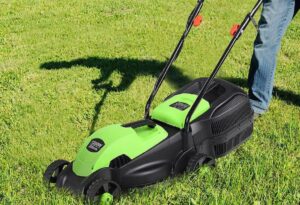
Before you dive into changing a lawn mower spark plug, it’s crucial to gather everything you need. There’s nothing more frustrating than being halfway through a job only to realize you’re missing a critical tool. Trust me, I’ve made that trip to the hardware store more times than I care to admit!
Essential Tools You’ll Need
Here’s a simple checklist of the basic tools that will make your lawn mower spark plug replacement a breeze:
- Spark Plug Wrench or Socket Set: This is a specialized socket designed to grip the spark plug without damaging it. Most lawn mower spark plugs use a 13/16-inch or 5/8-inch socket. If you don’t have a spark plug wrench, a deep socket with a ratchet will work, but be gentle.
- Ratchet: To attach to your spark plug socket for leverage.
- Spark Plug Gap Gauge: A small, inexpensive tool used to measure and adjust the gap between the electrodes of a spark plug.
- Wire Brush or Clean Rag: To clean around the spark plug well before removal.
- Anti-Seize Lubricant (Optional but Recommended): A small dab on the new plug’s threads can prevent it from seizing in the engine block, making future replacements easier.
- Dielectric Grease (Optional): Applied inside the spark plug boot to prevent moisture and corrosion.
Having these items on hand ensures a smooth process when you’re ready to replace your spark plug.
Choosing the Right Spark Plug for Your Mower
This step is critical! You can’t just grab any spark plug off the shelf. Using the wrong type can lead to poor performance or even engine damage. So, how do you pick the perfect new spark plug for lawn mower?
- Consult Your Owner’s Manual: This is your ultimate guide. It will specify the exact brand, model number, and gap setting for your mower’s engine. Don’t skip this step!
- Check the Old Spark Plug: If you don’t have the manual, carefully remove the old spark plug and check the part number printed on its ceramic insulator. Take it to your local hardware store or small engine repair shop to get an exact match.
- Common Brands: You’ll typically see brands like Champion, NGK, and Bosch. Most mowers will specify one or two preferred brands.
When I first started, I used to guess, and let me tell you, a misfiring engine is not a fun result! Always, always double-check your owner’s manual for the correct replacement spark plug.
Safety First! Pre-Maintenance Checks
Before you get your hands dirty with changing your spark plug, remember that you’re working with an engine. Safety should always be your top priority. A few simple precautions can prevent accidents and ensure a smooth, worry-free process.
Disconnecting the Ignition (Crucial Step!)
This is arguably the most important safety step. You absolutely do not want the engine to accidentally start while your hands are near the blades or any moving parts. Here’s how to ensure it’s safe:
- Remove the Spark Plug Wire: This is the rubber boot that connects directly to the top of the spark plug. Grip the boot firmly and pull it straight off. Do not pull on the wire itself, as this can damage the internal connection.
- Secure the Wire: Once the boot is off, tuck the wire away from the spark plug opening. I usually tape it to the handle or a nearby part of the engine block. This prevents it from accidentally re-engaging the spark plug, even if you were to accidentally bump the starter.
If your mower has a key or an electric start button, remove the key or disconnect the battery, too, for an added layer of security. Always assume the engine could start until the spark plug wire is disconnected.
Clearing the Deck: Engine Preparation
The area around your spark plug can accumulate a surprising amount of grass clippings, dirt, and debris. It’s essential to clean this area before you remove the old spark plug. Why? Because you don’t want any of that gunk falling into the combustion chamber when the old plug is out.
- Locate the Spark Plug: It’s usually on the side or front of the engine, often easily visible.
- Brush Away Debris: Use a wire brush, an old toothbrush, or even compressed air to thoroughly clean around the base of the spark plug.
- Wipe Clean: Finish up with a clean rag to ensure the area is spotless.
Imagine a tiny pebble falling into your engine – not good! Taking a minute or two to clean around the spark plug well is a small investment that prevents a potentially large headache.
The Main Event: Removing the Old Spark Plug
With safety measures in place and your workspace clean, it’s time for the actual process of changing a lawn mower spark plug. Don’t worry, this part is straightforward and surprisingly satisfying.
Locating the Spark Plug
Most lawn mower spark plugs are pretty easy to find. Look for a thick, rubbery wire (the spark plug wire) that connects to a cylindrical ceramic insulator protruding from the engine block. On push mowers, it’s often on the front or side of the engine. On riding mowers, it might be slightly more tucked away, but still accessible.
The Twist and Pull: Disconnecting the Wire
Even though you’ve already secured the wire, it’s important to reinforce that when disconnecting the spark plug wire, always pull firmly on the rubber boot, not the wire itself. Wiggling it slightly can help loosen it if it’s stuck. Once it’s off, ensure it’s still tucked safely away from the spark plug hole.
Loosening and Extracting the Old Plug
This is where your spark plug wrench or socket comes in handy.
- Choose the Right Socket: Fit the correct size spark plug socket (usually 13/16-inch or 5/8-inch) over the top of the spark plug. It should fit snugly.
- Attach the Ratchet: Connect your ratchet to the spark plug socket.
- Turn Counter-Clockwise: Slowly and firmly turn the ratchet counter-clockwise to loosen the spark plug. If it feels stuck, apply a little more steady pressure. Avoid sudden jerks, which can damage the threads.
- Unthread by Hand: Once it’s loose, you can often finish unthreading the spark plug by hand, turning the socket until the plug comes free.
- Remove and Inspect: Carefully lift the old spark plug out of the engine. Take a moment to examine it. Its condition can tell you a lot about your engine’s health! For instance, a black, sooty plug often means a rich fuel mixture or a dirty air filter, while an oily plug could indicate engine wear.
Remember, don’t force it. If the plug is extremely tight, a little penetrating oil left to soak for a few minutes can help, but this is rare for lawn mower spark plugs.
Installing Your Shiny New Spark Plug Correctly
You’ve successfully removed the old, tired spark plug. Now for the exciting part: installing its shiny new replacement! This step is crucial for ensuring your mower runs smoothly and efficiently. Pay close attention to these details when changing your spark plug.
Gapping Your New Spark Plug (If Necessary)
Not all new spark plugs come pre-gapped correctly for every engine. The spark plug gap is the distance between the center electrode and the ground electrode. This tiny gap is critical for a strong, consistent spark.
- Check Your Manual: Refer back to your owner’s manual for the exact gap specification (e.g., 0.030 inches).
- Use a Gap Gauge: Slide the gap gauge between the electrodes. It should fit snugly with a slight drag.
- Adjust Carefully: If the gap is too small, gently bend the ground electrode outward with the gauge’s adjuster. If it’s too wide, carefully tap the ground electrode on a hard surface (never the center electrode!) to close the gap. Be very gentle; the ceramic can crack easily.
Many modern spark plugs are factory-set and don’t require gapping, but it’s always best to check. A correctly gapped spark plug is key to getting the most out of your engine.
Hand-Tightening for a Smooth Start
This is perhaps the most important tip for preventing damaged engine threads when installing a new spark plug. Cross-threading is a nightmare and a costly mistake.
- Start by Hand: Apply a tiny bit of anti-seize compound to the threads of the new spark plug if you have it. Then, very carefully, thread the new spark plug into the engine block by hand. Turn it clockwise.
- Feel for Resistance: You should be able to turn it several rotations smoothly. If you feel any resistance or it seems to bind, stop immediately, unthread it, and try again. It’s likely cross-threaded.
Starting by hand ensures the threads are perfectly aligned before you introduce any tools.
The Final Snug: Proper Torque
Once the spark plug is hand-tight, it’s time to finish the job with your wrench.
- Attach the Wrench: Place your spark plug socket and ratchet onto the spark plug.
- Tighten Gently: Turn the ratchet clockwise until the spark plug is snug. For most lawn mower spark plugs, an additional quarter-turn to a half-turn past finger-tight is sufficient. Do not overtighten, as this can strip the threads in the engine block or crack the spark plug’s ceramic insulator.
- Follow Manufacturer Recommendations: If your manual specifies a torque setting and you have a torque wrench, use it! Otherwise, the quarter- to half-turn rule is a good guide.
Reconnecting and Testing
With the new spark plug securely in place, push the spark plug boot firmly back onto the spark plug until you feel it click or seat fully. Give it a gentle tug to ensure it’s secure. Now, remove any tools and step back. It’s time for the moment of truth! Start your lawn mower and listen to that sweet, smooth engine hum. Success!
Troubleshooting Common Issues After Changing Your Spark Plug
You’ve done all the steps for changing a lawn mower spark plug, and while the process is generally straightforward, sometimes things don’t go exactly as planned. Don’t panic if your mower still acts up! Most post-replacement issues are minor and easily fixable.
Mower Still Won’t Start?
This can be frustrating, especially after you’ve just put in the effort to replace your spark plug. Here’s a quick checklist to run through:
- Spark Plug Wire Connection: Is the spark plug boot fully seated? Give it a firm push and check for a satisfying click. A loose connection means no spark.
- New Spark Plug Gap: Did you gap the new spark plug correctly according to your owner’s manual? An incorrect gap can prevent a spark or create a very weak one.
- Fuel Check: Is there fresh fuel in the tank? Old, stale fuel can cause starting problems, even with a new spark plug.
- Air Filter: Is your air filter clogged? A dirty air filter can starve the engine of air, making it difficult to start and run.
- Kill Switch/Safety Bar: Is your kill switch engaged, or is the safety bar on a push mower held down?
- Correct Spark Plug: Are you absolutely sure you used the correct spark plug model number specified in your owner’s manual?
Engine Running Rougher?
Sometimes, after installing a new spark plug, the engine might actually run worse than before, or develop a new rough idle. This is usually a sign that something isn’t quite right with the installation.
- Incorrect Spark Plug Gap: Re-check the gap with your spark plug gap gauge. Even a slight deviation can cause rough running.
- Loose Spark Plug: The spark plug might not be tightened enough. A loose spark plug can leak compression and cause misfires. Tighten it a little more, but remember not to overtighten.
- Damaged Spark Plug: It’s rare, but sometimes a new spark plug can be faulty, or you might have accidentally damaged the ceramic insulator or electrodes during gapping or installation. Carefully remove it and inspect it for cracks or bends.
- Other Issues: If all spark plug-related checks come up clear, the problem might lie elsewhere in the engine – perhaps a clogged carburetor, a dirty fuel filter, or an issue with the ignition coil.
Don’t be disheartened if you encounter a snag. Most of these checks are quick, and you’ll likely find the solution with a little patience. Learning how to change a lawn mower spark plug includes learning how to troubleshoot!
And there you have it! Learning easy steps how to change a lawn mower spark plug is one of the most fundamental and empowering maintenance tasks you can perform for your outdoor power equipment. It’s a simple fix that often yields dramatic results, transforming a sputtering, reluctant machine into a smooth-running workhorse once more.
Remember, regular maintenance, like changing your spark plug, isn’t just about fixing problems; it’s about prevention. By routinely checking and replacing this small but vital component, you’re extending the life of your lawn mower, ensuring it starts reliably, and performs at its peak whenever you need it. So, next time your mower gives you trouble, or even just for routine upkeep, grab your tools and confidently tackle this task. You’ve got this!
Frequently Asked Questions
Why is it important to regularly change your lawn mower spark plug?
A fresh lawn mower spark plug ensures efficient fuel combustion, leading to easier starting and smoother engine operation. Over time, spark plugs can foul or wear out, causing misfires and reduced engine performance, ultimately affecting your mower’s lifespan.
How often should I replace my lawn mower’s spark plug?
Generally, it’s recommended to replace the spark plug at least once per mowing season, or every 25 hours of operation, whichever comes first. Always consult your owner’s manual for the specific recommendation tailored to your lawn mower model.
What tools do I need to change a lawn mower spark plug?
To change a lawn mower spark plug, you’ll typically need a spark plug wrench (often a specific size socket wrench), a gap gauge (if your new plug isn’t pre-gapped), and possibly a wire brush for cleaning around the plug. Remember to ensure your engine is cool and the spark plug wire is disconnected for safety before you begin.
How can I tell if my lawn mower spark plug needs to be changed?
Common signs that your lawn mower spark plug needs attention include difficulty starting the mower, the engine running rough or sputtering, or a noticeable decrease in power. If the mower is consuming more fuel than usual or emitting excessive black smoke, a worn spark plug could be the culprit.
Is changing a lawn mower spark plug a difficult task for a beginner?
Not at all! Changing a lawn mower spark plug is one of the simplest maintenance tasks you can perform, making it perfect for beginners. With the right tools and a few basic steps, most people can successfully replace it in just a few minutes, significantly improving mower performance.
How do I know which replacement spark plug to buy for my lawn mower?
The best way to determine the correct replacement spark plug is to check your lawn mower’s owner’s manual, which will list the specific brand and model number. Alternatively, you can take your old spark plug to a hardware or auto parts store, and they can help you find a suitable match based on its specifications.