Changing your lawn mower’s spark plug is a surprisingly simple and fast DIY task that significantly boosts performance and reliability. This guide quickly walks you through safely disconnecting the old plug, inspecting it, and installing a new one, ensuring your mower starts easier and runs smoother for a healthier lawn.
Ever pull the starter cord on your lawn mower, only to be met with a pathetic sputter, or worse, dead silence? We’ve all been there. That moment of frustration when you’re ready to tackle the yard, but your trusty machine decides it’s taking the day off. Before you throw in the towel or haul your mower to the repair shop, there’s a simple, often overlooked culprit that might be causing all your headaches: a worn-out spark plug.
It’s easy to feel intimidated by engine maintenance, but I promise you, learning how to change the spark plug in a lawn mower is one of the most straightforward and rewarding DIY tasks you can master. Not only will it save you money on repair costs, but it will also give you a fantastic sense of accomplishment. Plus, a fresh spark plug can breathe new life into your mower, making it start easier, run smoother, and perform more efficiently.
So, if your lawn mower is coughing, sputtering, or simply refusing to start, don’t despair! Grab a cup of coffee, settle in, and let’s walk through exactly how to change the spark plug in a lawn mower, step by step. You’ll be surprised at how quickly you can get your mower back in top shape and your lawn looking pristine.
Key Takeaways
- Prioritize Safety: Always disconnect the spark plug wire first.
- Clean Area First: Remove debris around the plug before removal.
- Use Correct Wrench: A spark plug wrench ensures proper grip.
- Inspect Old Plug: Check for wear or carbon for diagnostics.
- Gap New Plug: Ensure the new plug has the correct gap.
- Thread Carefully: Hand-thread the new plug to prevent damage.
📑 Table of Contents
- Why Your Lawn Mower Needs a New Spark Plug (and When to Change It)
- Gathering Your Tools: What You’ll Need to Change the Spark Plug
- Safety First: Preparing Your Lawn Mower for a Spark Plug Change
- The Step-by-Step Guide to Changing Your Lawn Mower’s Spark Plug
- Troubleshooting Common Issues and Post-Replacement Tips
- Maintain Your Mower’s Spark Plug for Peak Performance
Why Your Lawn Mower Needs a New Spark Plug (and When to Change It)
Think of your lawn mower’s spark plug as the heart of its ignition system. It’s a small but mighty component responsible for creating the spark that ignites the fuel-air mixture, allowing your engine to run. Over time, this little workhorse can get fouled, worn, or simply lose its effectiveness, leading to a host of performance issues.
Signs of a Failing Spark Plug
How do you know it’s time to change the spark plug in a lawn mower? Your mower will usually tell you! Here are some common symptoms:
- Hard Starting: This is probably the most common sign. If you have to pull the starter cord multiple times, or it just grinds without catching, a failing spark plug is a prime suspect.
- Misfiring or Rough Idling: Does your mower sound like it’s skipping a beat, or does it idle unevenly? A weak spark can cause this.
- Loss of Power: If your mower struggles more than usual when cutting thicker grass, it might not be getting a strong enough spark to generate full power.
- Excessive Smoke: While various issues can cause smoke, a fouled spark plug can sometimes contribute to incomplete combustion and more exhaust smoke.
- Decreased Fuel Efficiency: A poorly firing spark plug means incomplete combustion, wasting fuel.
Recommended Maintenance Schedule
Even if you’re not experiencing any obvious problems, it’s generally a good idea to perform regular maintenance. Most manufacturers recommend you change the spark plug in a lawn mower at least once a season, or every 25 operating hours, whichever comes first. For many homeowners, this means a yearly replacement right before the mowing season kicks into high gear. Always check your mower’s owner’s manual for specific recommendations – it’s your best source of truth!
Gathering Your Tools: What You’ll Need to Change the Spark Plug
Before you dive in, taking a few minutes to gather all your tools makes the process of how to change the spark plug in a lawn mower much smoother. Think of it like cooking – having all your ingredients prepped makes the meal go faster!
Essential Tools
- New Spark Plug: This is crucial! Make sure it’s the correct type and heat range for your specific lawn mower model. Check your owner’s manual or the old spark plug itself for the part number.
- Spark Plug Wrench or Socket Wrench with Extension: Spark plug sockets are usually 5/8″ or 13/16″, but always verify. A specialized spark plug wrench often has a rubber insert to protect the ceramic and help hold the plug.
- Spark Plug Gap Tool: This small, inexpensive tool ensures the electrode gap on your new plug is set correctly for optimal performance.
- Clean Rag: For wiping away dirt and grime.
- Wire Brush (Optional): Useful for cleaning around the spark plug well before removal.
- Anti-Seize Lubricant (Recommended): A tiny dab on the new spark plug’s threads can prevent it from seizing in the engine head, making future changes easier.
- Dielectric Grease (Optional): Applied inside the spark plug boot, it protects against moisture and ensures a good connection.
- Safety Glasses and Gloves: Always a good idea when working on machinery.
Finding the Right Spark Plug
Using the correct spark plug is vital. If you use the wrong one, your mower might run poorly, or you could even damage the engine. The easiest way to find the right plug is to:
- Consult Your Owner’s Manual: This will list the exact spark plug part number.
- Check the Old Spark Plug: Often, the part number (e.g., “BPR6ES” or “RC12YC”) is printed directly on the ceramic insulator. Take a photo before you remove it!
- Visit a Parts Store: Most auto or lawn and garden stores can look up the correct plug for your mower make and model.
Spark plugs come in “hot” and “cold” types; using the wrong one can affect performance. Stick to what your manufacturer recommends!
Safety First: Preparing Your Lawn Mower for a Spark Plug Change
Safety is paramount when working with any engine. A few simple precautions will ensure you can change the spark plug in a lawn mower without any mishaps.
Essential Safety Precautions
- Disconnect the Spark Plug Wire: This is arguably the most critical step. Pull the rubber boot straight off the spark plug to disconnect it. This prevents any accidental starting of the engine while you’re working on it. You can even secure the wire away from the plug with a clip or zip tie for extra peace of mind.
- Let the Engine Cool: Never work on a hot engine. Hot metal can cause severe burns. Give your mower at least 30 minutes to cool down after use.
- Work on a Flat, Stable Surface: Ensure your mower is on a level ground and won’t tip over.
- Remove the Ignition Key (if applicable): For mowers with electric start, remove the key to ensure the engine cannot be started.
Cleaning Around the Spark Plug Area
Before you remove the old spark plug, take a moment to clean the area around its base. Dirt, grass clippings, and debris can accumulate in the spark plug well. If these fall into the combustion chamber when you remove the plug, they could cause engine damage. Use a wire brush, compressed air, or a clean rag to clear away any grime.
The Step-by-Step Guide to Changing Your Lawn Mower’s Spark Plug
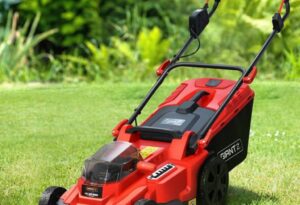
Alright, you’ve prepped, you’re safe, and you’ve got your tools. Now for the main event: how to change the spark plug in a lawn mower!
Removing the Old Spark Plug
- Locate the Spark Plug: It’s usually a ceramic-insulated cylinder protruding from the engine, covered by a thick rubber boot and wire.
- Remove the Spark Plug Boot: Firmly grasp the rubber boot and pull it straight off the spark plug. Avoid pulling on the wire itself, as this can damage the connection.
- Attach the Spark Plug Wrench: Place your spark plug wrench or socket squarely over the old spark plug.
- Loosen the Plug: Turn the wrench counter-clockwise to loosen the spark plug. It might be tight initially, so a firm, steady force is usually needed. Once it breaks loose, it should turn relatively easily by hand.
- Remove the Old Plug: Carefully unscrew the plug all the way and remove it from the engine.
Inspecting the Old Spark Plug
Don’t just toss the old plug! Give it a quick inspection. The condition of your old spark plug can tell you a lot about the health of your engine. Here’s a quick guide:
| Spark Plug Condition | What it Means | Possible Solution |
|---|---|---|
| Light Tan/Gray Deposits | Normal, healthy engine operation. | Good to go! |
| Black, Sooty Deposits | Too rich fuel mixture, dirty air filter, or plug too “cold.” | Check air filter, carburetor, ensure correct plug type. |
| Oily Deposits | Oil getting into the combustion chamber, possibly worn piston rings or valve guides. | Seek professional help for engine repair. |
| White, Blistered Deposits | Engine overheating, too lean fuel mixture, or plug too “hot.” | Check cooling fins, carburetor, ensure correct plug type. |
If your old plug looks severely fouled or damaged, it might indicate a deeper engine issue beyond just needing to change the spark plug in a lawn mower.
Gapping the New Spark Plug
Even new spark plugs don’t always come perfectly pre-gapped. The gap (the distance between the central electrode and the ground electrode) is critical for a strong spark. Your owner’s manual will specify the correct gap for your mower (e.g., 0.030 inches).
- Use your spark plug gap tool to measure the gap.
- If it’s too small, gently pry the ground electrode open slightly with the tool.
- If it’s too large, gently tap the ground electrode on a hard surface to close it.
Be precise but gentle; don’t bend the electrode too much or you could damage the plug.
Installing the New Spark Plug
- Apply Anti-Seize (Optional but Recommended): Put a tiny amount of anti-seize lubricant on the threads of the new spark plug. Don’t get any on the electrode or ceramic insulator.
- Thread by Hand First: This is a crucial step to prevent cross-threading. Carefully insert the new spark plug into the engine head and turn it clockwise by hand until it’s snug. If you feel any resistance, stop, unscrew it, and try again. It should thread smoothly.
- Tighten with Wrench: Once hand-tight, use your spark plug wrench to tighten it. Don’t overtighten! For most small engines, a quarter to a half-turn past hand-tight is sufficient. Overtightening can strip the threads in the engine head, leading to a very expensive repair.
- Reconnect the Spark Plug Boot: Push the rubber boot firmly back onto the new spark plug until you feel it click or seat securely.
Troubleshooting Common Issues and Post-Replacement Tips
You’ve successfully managed to change the spark plug in a lawn mower – congratulations! Now, let’s get that mower running.
Mower Still Won’t Start?
If your mower still won’t start after changing the spark plug, don’t fret. Here are a few things to check:
- Spark Plug Wire: Is the boot fully seated on the new spark plug?
- Spark Plug Gap: Double-check the gap.
- Fuel: Is there fresh fuel in the tank? Stale fuel is a common culprit.
- Air Filter: A clogged air filter can starve the engine of air.
- Oil Level: Some mowers have low-oil sensors that prevent starting.
- Kill Switch/Safety Bar: Ensure all safety mechanisms are engaged correctly.
If none of these work, it might be time to investigate other issues like the carburetor, fuel filter, or ignition coil, but often, the new spark plug solves the problem.
Post-Replacement Run-In
Once you’ve got everything back together, start your mower. It might take a pull or two more than usual if the engine has been sitting, but it should fire up. Listen for a smooth, steady idle. Let it run for a few minutes to ensure everything is operating correctly. If it’s purring like a kitten, you’ve done a fantastic job!
Maintain Your Mower’s Spark Plug for Peak Performance
Knowing how to change the spark plug in a lawn mower isn’t just about fixing a problem; it’s about maintaining peak performance and extending the life of your equipment. A clean, properly gapped spark plug ensures efficient combustion, which translates to easier starts, better fuel economy, and consistent power.
Regular Inspections and Cleaning
Even if you replace your spark plug annually, it’s a good habit to inspect it occasionally throughout the season. If your mower starts acting up, pulling the plug for a quick visual check can often give you clues about what’s going on inside your engine. A light wire brushing can sometimes clean minor carbon deposits, but generally, once a plug starts to show wear or significant fouling, replacement is the best option.
Storing Your Mower Properly
Proper storage at the end of the season can also impact your spark plug’s longevity. Always use a fuel stabilizer if you plan to store your mower with fuel in the tank for more than a month. Better yet, run the engine dry or drain the fuel completely. Stale, gummed-up fuel is notorious for fouling spark plugs and clogging carburetors, making starting a nightmare next spring.
See? Learning how to change the spark plug in a lawn mower wasn’t so scary after all, was it? By taking the time to perform this simple maintenance task, you’ve not only saved money but also gained valuable knowledge and confidence in your DIY skills. Your lawn mower will thank you with reliable starts and powerful performance, making your yard work a little less like a chore and a lot more enjoyable. So go ahead, enjoy that perfectly manicured lawn – you earned it!
Frequently Asked Questions
Why should I change the spark plug in my lawn mower?
Changing your lawn mower spark plug ensures reliable starting and optimal engine performance. A worn-out spark plug can lead to misfires, reduced fuel efficiency, and difficulty starting your mower. Regular replacement helps your lawn mower run smoothly and extends its lifespan.
How often do I need to change my lawn mower spark plug?
It’s generally recommended to change your lawn mower spark plug at least once a mowing season, or every 25 operating hours. However, always refer to your lawn mower’s owner’s manual for the manufacturer’s specific maintenance schedule. If your mower starts struggling, it might be time for a change even sooner.
What tools will I need to change a lawn mower spark plug?
To change a lawn mower spark plug, you’ll typically need a spark plug wrench (or deep socket set), a gapping tool (if required for the new plug), and a rag for cleaning. Additionally, having a wire brush can be helpful for cleaning around the spark plug well before removal.
How do I find the correct replacement spark plug for my lawn mower?
The easiest way to find the correct replacement spark plug is to check your lawn mower’s owner’s manual, which will specify the exact part number and type. Alternatively, you can often find the spark plug model number printed directly on the existing spark plug itself. Ensure the new spark plug has the correct gap setting as specified by your mower’s manufacturer.
What are the basic steps to change the spark plug?
First, disconnect the spark plug wire for safety and clean around the spark plug well. Then, use a spark plug wrench to carefully remove the old plug by turning it counter-clockwise. Finally, thread the new spark plug in by hand to avoid cross-threading, then tighten it with the wrench and reattach the spark plug wire.
Are there any safety precautions I should take when changing a lawn mower spark plug?
Absolutely, safety is paramount. Always ensure the engine is completely cool before starting, and disconnect the spark plug wire to prevent accidental starting. It’s also wise to wear work gloves to protect your hands and eye protection for added safety.