Is your car showing signs like stalling, rough idling, or reduced power? Learning how to check your fuel filter is crucial, as these symptoms often indicate a clogged or failing filter. This easy guide empowers car owners to confidently locate and visually inspect their fuel filter for leaks or damage, ensuring you can determine if a replacement is needed to maintain optimal engine performance and fuel efficiency.
Easy Guide How To Check Fuel Filter For Car Owners
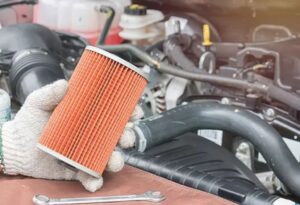
Hey fellow car enthusiasts! Ever wonder if your car’s feeling a bit sluggish, or maybe not as peppy as it used to be? Sometimes, the culprit isn’t a huge engine problem, but something simpler, like a dirty fuel filter. Learning how to check your fuel filter can save you headaches and keep your ride smooth. It’s not about taking it apart, but about recognizing the signs. Think of it as listening to what your car is trying to tell you!
How Exactly Do I Check My Fuel Filter, And What Should I Look For To Know If It Needs Attention?
That’s a fantastic question, and one I’ve asked myself plenty of times! First off, it’s important to understand that checking your fuel filter isn’t usually about opening it up. Unless you’re planning to replace it, a visual inspection and paying close attention to your car’s behavior are your best tools. Here’s what I usually do and what I’ve learned over the years:
Understanding Your Fuel Filter: The Unsung Hero
Imagine your fuel filter as your car’s kidney. It’s constantly cleaning fuel before it reaches your engine. Over time, it catches all sorts of tiny dirt, rust, and debris that might be in your gasoline. When it gets too clogged, your engine struggles to get enough clean fuel. This is why learning how to check fuel filter symptoms is so crucial.
What Signs Should You Look For? My Personal Experience
I once had a car that started feeling really hesitant during acceleration. It was subtle at first, like a slight delay when I pressed the gas. I thought, “Is it just me, or is something off?” Turns out, these are classic signs of a struggling fuel filter. Here’s a checklist of symptoms I’ve come to recognize:
- Engine Misfires or Stalls: This is a big one. If your car sputters, struggles, or even cuts out, especially at higher speeds or under load, a restricted fuel flow is a common cause.
- Difficulty Starting: Does your engine crank longer than usual before starting? If it’s not getting enough fuel pressure, starting becomes a chore.
- Reduced Engine Performance: This covers a lot. You might notice less power, poor acceleration, or your car just feeling “weak.” My old sedan felt like it had lost half its horsepower!
- Rough Idling: When your car is sitting still but the engine is running, does it vibrate or feel unsteady? A clogged filter can make the fuel delivery inconsistent.
- Decreased Fuel Efficiency: If your engine isn’t getting enough fuel, it might try to compensate, sometimes leading to more fuel consumption without actually improving power. Keep an eye on your MPG.
- Check Engine Light: While this light can mean many things, a severely clogged filter can sometimes trigger it, indicating a fuel system issue.
The “Visual” Part of How To Check Fuel Filter
While you can’t see inside the filter, you can often locate it and check for external signs. Your car’s manual will show you where it is – sometimes under the hood, sometimes under the car near the fuel tank. Look for:
- Leaks: Any signs of fuel leaking around the filter or its connections are a red flag. This isn’t just about the filter; it’s a safety hazard.
- Damage: Physical damage to the filter housing or lines can affect its function and integrity.
- Rust or Corrosion: Excessive rust could indicate a very old filter or issues with exposure.
A quick tip from my garage: Always wear gloves and eye protection if you’re peering around the fuel lines. Safety first, always!
When To Consider A Replacement (Not Just A Check)
Most manufacturers recommend replacing your fuel filter every 20,000 to 60,000 miles, or every 2-5 years, depending on your car and driving conditions. If you’re experiencing several of the symptoms above, even if the filter looks fine externally, it’s very likely time for a replacement. Think of it as preventative maintenance; changing it before it causes major issues is always smarter (and cheaper!) than waiting for a complete breakdown.
Ultimately, learning how to check fuel filter health is more about observation and trusting your gut. If your car feels “off,” start with the simple things, and the fuel filter is a great place to begin.
So there you have it! While you might not “check” a fuel filter like you check your oil, being aware of the symptoms and conducting a quick visual inspection can save you a lot of trouble. Keep an ear out for your car’s whispers and groans; often, they’re telling you exactly what they need. Happy driving!