To guarantee your engine delivers optimal performance and fuel efficiency, regular inspection of spark plug cables is crucial. Scrutinize cables for visible signs of wear, cracks, or fraying, and ensure all connections are secure at both the spark plug and coil/distributor. Verifying proper electrical resistance with a multimeter can further diagnose issues, preventing misfires and ensuring smooth, reliable engine operation.
How to Your Guide How To Check Spark Plug Cables For Top Performance
Why This Matters / Understanding the Problem
Hey there, fellow car enthusiast! Ever hopped in your car, turned the key, and just felt… something was off? Maybe it idled a bit rough, lost some of its usual pep, or started guzzling gas like never before. Believe me, I’ve been there. It’s frustrating when your trusted ride isn’t feeling its best.
Often, the culprit isn’t some huge, expensive problem. It can be something as simple as your spark plug cables. These unsung heroes are vital. They deliver the high-voltage spark from your ignition system directly to your spark plugs. This spark ignites the fuel-air mixture in your engine. Without a strong, consistent spark, your engine just can’t perform its best.
That’s why knowing how to check spark plug cables is such a game-changer. It can help you spot issues early. Fixing them means better engine performance, smoother idling, and even improved fuel economy. It’s a simple bit of maintenance that makes a huge difference to your car’s overall health and spark plug cable performance.
What You Need
Before we dive in, let’s gather a few things. You likely have most of these lying around. No fancy tools needed for most steps!
- Gloves: Safety first, always! Protect your hands.
- Flashlight: Super helpful for seeing into tight spots, especially for the visual inspection.
- Clean Rags: For wiping down dirt or grime.
- Spark Plug Wire Puller (Optional, but recommended): This tool helps you remove the cable boots without damaging them.
- Dielectric Grease (Optional): Great for protecting new or good cables upon reinstallation.
- Multimeter (Optional, for advanced checking): If you want to test resistance, this is key.
Step-by-Step Guide to Your Guide How To Check Spark Plug Cables For Top Performance
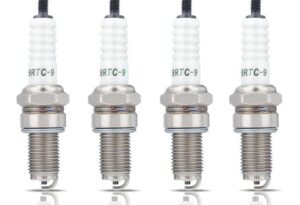
Ready to get your hands a little dirty? Let’s walk through how to check spark plug cables, one clear step at a time. You’ve got this!
Step 1: Safety First, Always!
Before you touch anything under the hood, make sure your car is completely off and the engine is cool. Hot engine parts can burn you. Also, always disconnect the negative terminal of your car battery. This prevents accidental shocks or damage to electrical components. Trust me, a little caution goes a long way here.
Warning: Never work on a hot engine. Always disconnect the battery’s negative terminal before starting. Electricity can be dangerous!
Step 2: Visual Inspection – The Easiest Check
This is where your flashlight comes in handy! Start by looking at each spark plug cable. Go from the distributor or coil pack all the way to the spark plug. What are you looking for?
- Cracks or Fraying: See any brittle spots, deep cracks, or frayed wires? These are big red flags.
- Burn Marks or Melting: Check for any areas that look scorched or melted. This indicates heat damage or contact with hot engine parts.
- Corrosion: Look at the metal terminals at both ends of the cable. Any green or white buildup? That’s corrosion, and it blocks electrical flow.
- Loose Connections: Gently try to wiggle each boot. It should feel snug. If it’s loose, the connection might be poor.
I once found a cable with tiny rodent chew marks! Always keep an eye out for unexpected damage like that. It’s amazing what critters can do.
Step 3: The “Feel Test” for Flexibility
Now, gently flex each cable. Healthy spark plug cables should be pliable, like a thick rubber hose. If they feel stiff, hard, or brittle, that’s a sign of aging and heat damage. Over time, the insulation can harden and lose its integrity. This means it can no longer contain the electrical charge properly.
A stiff cable might have internal conductor damage, even if you can’t see it from the outside. This really impacts spark plug cable performance.
Step 4: The Engine Running Test (Caution Advised)
This test needs extra care. Reconnect your battery. Start your engine, and if possible, drive your car into a very dark garage or wait until dusk. With the engine running, look closely at each spark plug cable. You are looking for any tiny sparks or arcs of electricity.
These arcs look like little blue lightning bolts, usually near cracks or where the cable touches metal. If you see them, it means electricity is escaping the cable instead of going to the spark plug. This is a sure sign of a faulty cable. Do NOT touch the cables while the engine is running.
Warning: Be extremely careful during this test. High voltage is present. Do not touch any part of the ignition system or cables with your bare hands while the engine is running. Use insulated tools if you absolutely must nudge a cable.
Step 5: Testing Resistance with a Multimeter (For the Deeper Dive)
For a truly thorough inspection of your spark plug cable performance, a multimeter is your best friend. Disconnect the negative battery terminal again. Remove one spark plug cable completely. Make sure to only remove one at a time to avoid mixing them up!
Set your multimeter to measure ohms (Ω). Touch one probe to the metal terminal at one end of the cable and the other probe to the terminal at the opposite end. You’re looking for a low resistance reading. Most manufacturers specify a maximum resistance per foot (e.g., 5,000 to 12,000 ohms per foot). Consult your car’s service manual for exact specs.
A very high reading, or an “OL” (open line) reading, means the internal conductor is broken. That cable is definitely bad. Remember to test each cable this way, carefully noting down the readings.
Step 6: Checking the Boots and Terminals
Sometimes, the issue isn’t the wire itself, but the boots or terminals. Carefully pull back the rubber boots at both ends of each cable. Look for carbon tracking (black lines that look like pencil marks) or heavy corrosion on the inside of the boot or on the metal terminal. These indicate electrical leakage or poor connection.
Ensure the metal terminals inside the boots are clean and shiny. If they’re corroded, you might be able to clean them gently with a wire brush or fine sandpaper. Once everything looks good, if you have some, apply a small dab of dielectric grease inside the boots before reinstalling. This helps prevent moisture and corrosion.
Pro Tips & Common Mistakes to Avoid
Over the years, I’ve picked up a few pointers that can make this job easier and prevent headaches down the road. Learning how to check spark plug cables also means learning the best practices.
Pro Tip: Replace Cables as a Set: Even if only one cable looks bad, the others are likely just as old and have endured similar wear. Replacing them all at once ensures consistent performance across all cylinders. It often saves you from having to do the job again soon for a different cable.
Common Mistake: Pulling on the Wire: When removing spark plug cables, always pull on the boot, not the wire itself. Pulling the wire can damage the internal conductor or separate it from the terminal, making the cable useless. A spark plug wire puller helps with this.
Pro Tip: Route Cables Correctly: Pay attention to how the old cables were routed. Improper routing can cause cables to rub against hot engine parts or other wires, leading to damage or “cross-firing” (where spark jumps to the wrong plug). Use wire separators if your car originally had them.
Personal Insight: Don’t Ignore Small Issues: I once thought a tiny crack wasn’t a big deal. A few weeks later, I was stranded with a severe misfire. Those small cracks grow! Be proactive about your spark plug cable performance.
FAQs About Your Guide How To Check Spark Plug Cables For Top Performance
Got more questions? That’s totally normal! Here are some common ones I hear when people are learning to check spark plug cables and maintain their ignition system.
Q: How often should I check my spark plug cables?
A: A good rule of thumb is every 30,000 to 50,000 miles, or whenever you’re doing a general tune-up or spark plug replacement. Even better, just give them a quick visual once a year or if your car starts acting funny.
Q: Can bad spark plug cables cause poor gas mileage?
A: Absolutely! If your spark plug cables aren’t delivering a strong, consistent spark, your engine won’t burn fuel efficiently. This means your car has to work harder, using more gas to go the same distance. It’s a common cause of unexpected drops in fuel economy.
Q: Is it okay to replace just one bad spark plug cable?
A: Technically, yes, you can. But as I mentioned earlier, if one cable is failing, the others are likely close behind. For optimal spark plug cable performance and peace of mind, replacing the entire set is usually the smarter move.
Q: What’s the difference between spark plug wires and ignition coils?
A: Great question! Ignition coils are what generate the high-voltage spark. Spark plug wires (or cables) are simply the delivery system that carries that spark from the coil to the spark plug. Many modern cars have “coil-on-plug” systems, meaning each spark plug has its own coil directly on top, eliminating the need for traditional wires.
Q: What if I don’t have a multimeter? Can I still check them?
A: Yes! The visual inspection, feel test, and especially the engine running test in the dark are all excellent ways to diagnose problems without a multimeter. While the multimeter gives a precise reading, these other methods can often pinpoint obvious issues.
Q: Can old cables damage my engine?
A: While old spark plug cables won’t directly “damage” your engine in terms of mechanical failure, consistent misfires caused by faulty cables can put extra stress on other components. For instance, unburnt fuel getting into your exhaust can damage your catalytic converter over time, which is a very expensive repair!
Final Thoughts
There you have it! Checking your spark plug cables is a fundamental but often overlooked part of car maintenance. It’s a task that builds confidence and helps you understand your vehicle better. You don’t need to be a professional mechanic to do this; just a little patience and a willingness to learn.
By regularly inspecting and maintaining your ignition system, you’re not just preventing future breakdowns. You’re ensuring your car runs smoother, gets better gas mileage, and gives you that reliable performance you deserve. So, go ahead, give those cables a once-over. Your car will thank you!
“`