Regularly cleaning your fuel filter is a simple yet vital DIY task that significantly boosts engine performance and longevity. This guide empowers you to easily and effectively remove harmful contaminants, preventing costly engine issues and ensuring your vehicle runs smoothly. Don’t overlook this crucial, money-saving maintenance step for optimal fuel system health!
How to Clean Your Fuel Filter Easily and Effectively
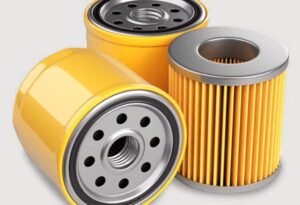
Hey there, fellow car enthusiast! Have you ever noticed your car feeling a bit sluggish, maybe not quite as peppy as usual? It’s a frustrating feeling, right? Often, when our trusty ride starts acting up, we immediately jump to big, scary repairs. But sometimes, the culprit can be something simpler, like a dirty fuel filter. So, can you actually clean a fuel filter? The short answer is yes, sometimes, but it’s not always the best long-term solution. Think of it more as a temporary fix or a last resort. Let’s chat about what’s involved and whether it’s the right move for you.
I’ve been there myself, staring under the hood, wondering if a little elbow grease could save me a trip to the mechanic. Cleaning a fuel filter can seem appealing, especially when you’re looking to save a few bucks. But before we dive into the “how,” let’s be super clear: replacing your fuel filter entirely is almost always the recommended approach for optimal performance and peace of mind. However, if you’re in a pinch or just curious about the process of how to clean fuel filter, I’m here to share some insights and personal tips. Safety first, always!
How to clean fuel filter effectively, and when is it a good idea?
Alright, let’s get into the nitty-gritty of how to clean fuel filter. While I usually recommend a full replacement, I understand there are situations where cleaning might cross your mind. Maybe you’re on a long road trip, a new filter isn’t immediately available, or you’re just trying to diagnose an issue. In these specific, often temporary, situations, knowing how to clean fuel filter can be useful. But please, always remember to consult your vehicle’s service manual first; some filters are just not designed to be cleaned.
First things first: Safety is paramount! We’re dealing with fuel here, which is highly flammable. Before you even think about touching the filter, make sure your car has cooled down. Disconnect the negative terminal of your car’s battery and release any fuel pressure in the system. Trust me on this one; I once forgot to depressurize and got a small fuel shower – not fun! Wear safety glasses and gloves, and have a fire extinguisher nearby, just in case. Seriously, don’t skip these steps.
Now, let’s locate the fuel filter. It’s usually found either under the car, along the fuel line, or sometimes in the engine bay. Once you’ve found it, you’ll need to carefully disconnect the fuel lines from both ends. Be gentle, as old plastic or rubber lines can be brittle. I always keep a few rags handy to catch any fuel spills. Taking a quick photo before you start can be a lifesaver for remembering how everything goes back together, especially when you’re figuring out how to clean fuel filter for the first time.
With the filter removed, it’s time for the actual cleaning. The general idea is to flush out the gunk. You can try blowing compressed air through the filter, but here’s a crucial tip I learned: blow in the opposite direction of the normal fuel flow. This helps push out the debris that’s accumulated against the filter media. I once tried blowing with the flow and it just pushed everything further in! You might also use a dedicated carburetor cleaner or a similar solvent. Spray it into one end, let it soak, and then blow it out from the other side. Repeat this process until the cleaner coming out looks relatively clear. Remember, you’re trying to remove contaminants without damaging the delicate filter material inside.
After cleaning, let the filter dry completely. Then, hold it up to a light and inspect it. Can you see light through it? Does it look genuinely clean? If it still looks murky or if you suspect any damage to the internal filtering material, it’s a clear sign that cleaning wasn’t enough, and replacement is your best bet. Honestly, most modern fuel filters aren’t really designed for a thorough cleaning. Their internal media can be quite fragile, and attempting to clean them often doesn’t restore them to peak performance. I’ve found that even after a good cleaning, the car often feels better with a brand-new filter.
Once you’re satisfied (or decided to replace), reattach the fuel lines, making sure they’re secure and tight. Reconnect the battery, turn the ignition to the “on” position (without starting the engine) a few times to re-pressurize the fuel system, and then check for any leaks. It’s like checking your work after a big project! If everything looks good, go for a short test drive to ensure your vehicle is running smoothly. Remember, while knowing how to clean fuel filter can be a handy skill for emergencies, it’s rarely a substitute for a fresh, new filter.
In conclusion, while you *can* attempt to clean a fuel filter, it’s generally a temporary fix rather than a long-term solution for optimal vehicle health. A new fuel filter is relatively inexpensive and offers far better assurance that your engine is receiving clean fuel, leading to better performance and longevity. My advice? If your car feels sluggish, consider cleaning only if absolutely necessary and plan for a replacement as soon as possible. Your engine will thank you for it!